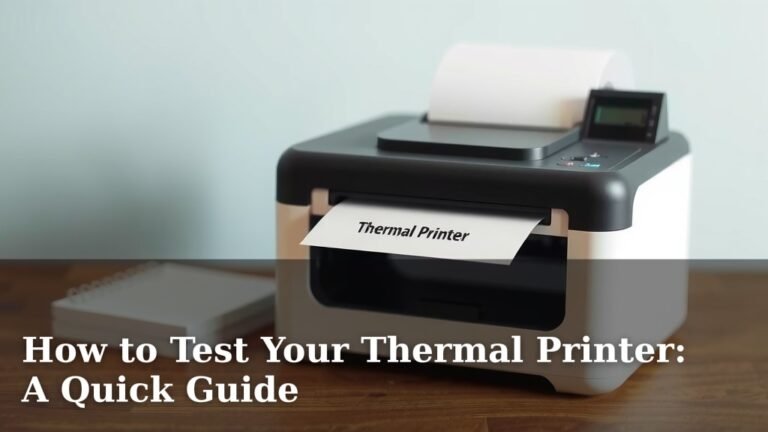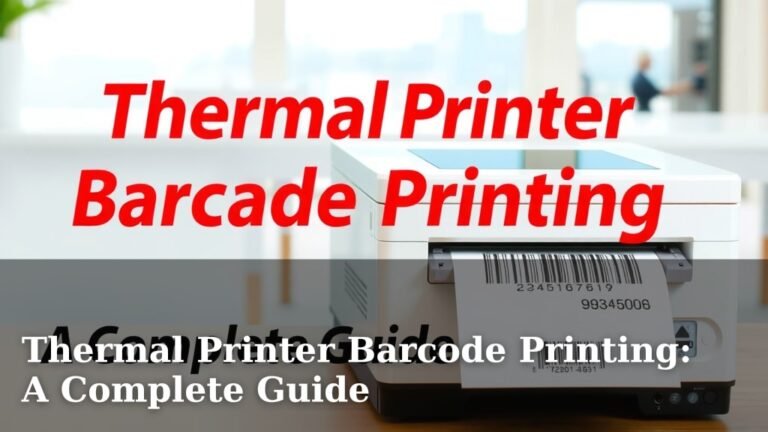
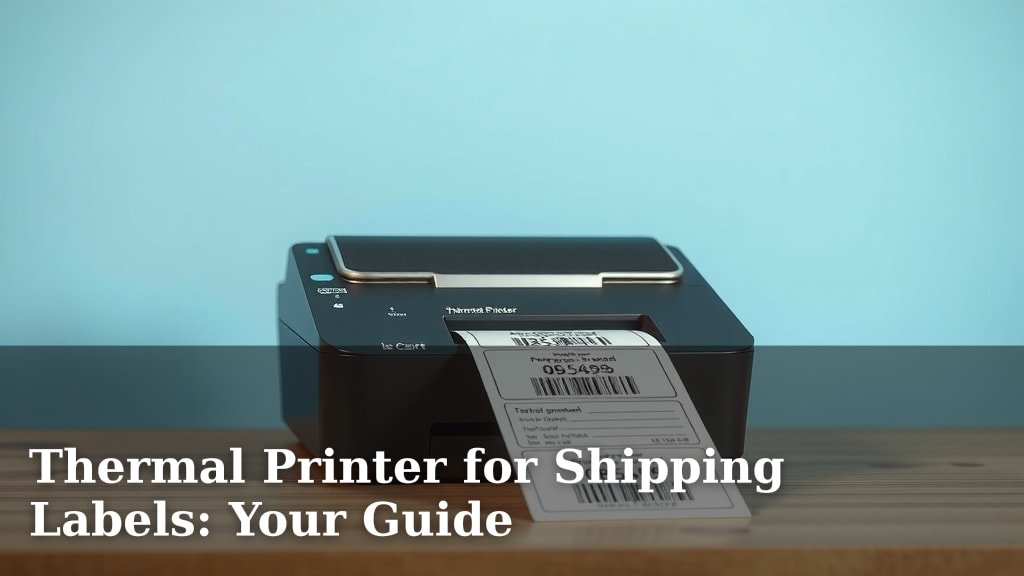
Thermal Printer for Shipping Labels: Your Guide
Yes, a thermal printer is an excellent choice for printing shipping labels. These printers use heat to create your labels, meaning you’ll never need to buy expensive ink or toner cartridges. This can lead to significant savings over time, especially if you ship frequently.
They offer a cost-effective solution for home businesses and e-commerce sellers. Thermal printers are known for their speed and reliability, producing clear, crisp labels that scan easily. You’ll find them a reliable partner for managing your shipping needs efficiently.
- Thermal printers are great for shipping labels.
- They use heat, so no ink is needed.
- This saves money on supplies over time.
- They print quickly and create clear, scannable labels.
We’ve researched thermal printers for shipping and found they really do make life easier. Let’s walk through exactly how they work and what makes them a smart buy for your shipping operation.
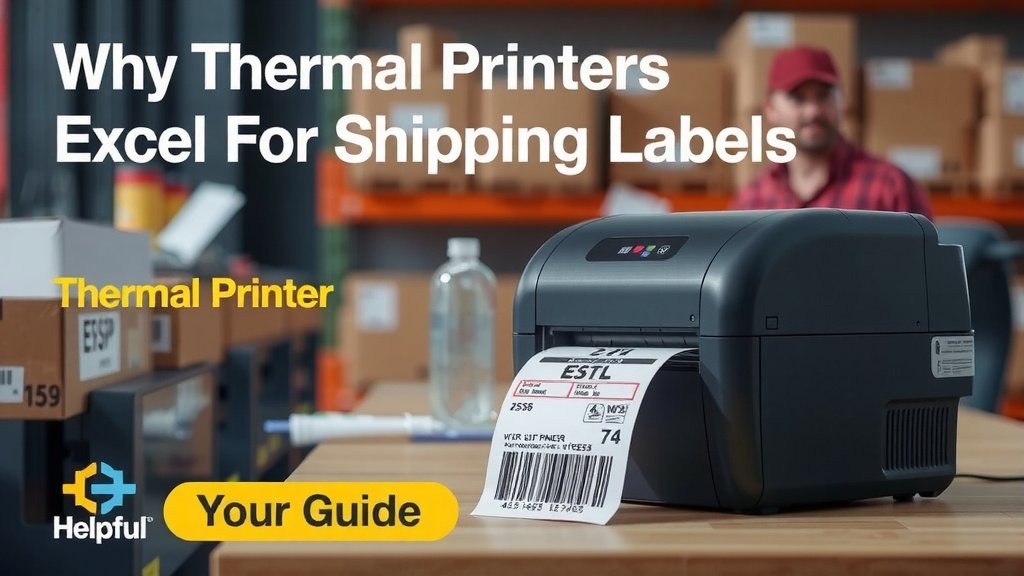
“`htmlWhy Thermal Printers Excel for Shipping Labels
You’re probably wondering if a thermal printer is truly the right tool for your shipping label needs. Based on our research, the answer is a resounding yes. These printers offer a fantastic combination of **efficiency, cost savings, and quality** that traditional inkjet or laser printers just can’t match for this specific task.
Think of it this way: your shipping labels need to be clear, durable, and easily scannable by carriers. Thermal printers are engineered precisely for that. They use a heat-sensitive printing method that bypasses the need for ink altogether. This is a huge advantage for anyone shipping frequently.
How Does Thermal Printing Actually Work?
It’s simpler than you might think! Thermal printers for shipping labels use a special process called direct thermal printing. Let’s break it down:
The Magic of Heat-Sensitive Paper
First, you need special thermal paper. This paper has a unique coating. This coating contains special chemicals that react when heated. These are often referred to as “thermochromic inks,” though they aren’t inks in the traditional sense. They are part of the paper itself.
The Heating Element: Your Printer’s Print Head
Inside your thermal printer is a print head. This print head contains tiny heating elements. Think of them like microscopic dots that can get very hot, very quickly. When you send a design or text to print, the printer’s software tells these heating elements exactly where to warm up.
Creating the Image
As the thermal label paper passes over the heated elements, those specific spots on the paper darken. The pattern of heated dots creates the text, barcodes, or graphics you see on your label. It’s a direct transfer of heat to color change, no ink cartridges involved!
Why This Method is Ideal for Labels
This direct thermal process is why thermal printers are so popular for shipping. There are no moving ink parts. This means fewer potential points of failure and a much cleaner operation for you. You get crisp, dark images that are **perfect for barcode scanning**.
The Cost-Benefit Analysis: Ink vs. Thermal
One of the biggest draws of thermal printers is their long-term cost savings. Let’s look at why this is so important for your business.
The Hidden Costs of Inkjet/Laser Printers
If you’ve ever used a standard office printer for labels, you know the pain. Inkjet cartridges can be surprisingly expensive. They also don’t last very long, especially if you’re printing a lot of dense labels or graphics. Ink can also smudge or fade if it gets wet. Laser printers use toner, which is also an ongoing expense.
The Thermal Advantage: No Ink, No Toner, No Problem
With a thermal printer, your primary consumable is the thermal label itself. You don’t buy ink or toner. This single factor dramatically reduces your ongoing printing costs. Many small businesses and e-commerce sellers find that the printer pays for itself within months, simply through the **savings on printing supplies**.
Calculating Your Savings
To get a clearer picture, consider how many labels you print per month. Multiply that by the average cost of an ink or toner cartridge needed to print that many labels. Then, compare that to the cost of thermal labels. The difference often surprises people!
| Printer Type | Typical Cost Per Label (Including Supplies) | Notes |
|---|---|---|
| Inkjet Printer | $0.10 – $0.50+ | Highly variable; depends on ink cost and coverage. Prone to smudging. |
| Laser Printer | $0.05 – $0.20 | Toner is an ongoing cost. Quality can vary. |
| Direct Thermal Printer | $0.02 – $0.10 | Label cost is the main factor. Very durable for shipping. |
As you can see, the thermal option typically comes out on top for pure cost efficiency. These numbers are estimates, of course, and can vary widely. But the trend is clear: thermal wins for budget-conscious shipping.
Speed and Reliability: Keeping Your Shipments Moving
When you have orders to fill, time is money. Thermal printers are built for speed. They can churn out labels much faster than most standard office printers. This means less waiting time for you and quicker processing for your packages.
Print Speed That Keeps Up
Many popular thermal shipping label printers can print labels at speeds of 4 to 6 inches per second. For a standard 4×6 inch shipping label, that’s just a few seconds per label. Compare that to a few minutes on an inkjet or laser printer, and the difference is substantial. This speed is crucial during peak seasons like holidays.
Built for High Volume
Unlike consumer-grade inkjet printers, thermal printers are designed for higher print volumes. They have fewer moving parts that can jam or break. This makes them more reliable for consistent, day-in and day-out use. You can count on them to perform without constant intervention.
Consistent, Crisp Output
Another reliability factor is the quality of the print. Thermal labels are consistently dark and clear. This is vital because shipping carriers rely on barcodes to scan correctly. A smudged or faint barcode can cause delays or even lost packages. Thermal printing minimizes these risks, offering **reliable scannability** every time.
What Kind of Thermal Printer Do You Need?
Not all thermal printers are created equal, but for shipping labels, the choice is usually straightforward. You’ll most commonly encounter two types of thermal printers, but one is dominant for shipping.
Direct Thermal vs. Thermal Transfer
We’ve already discussed direct thermal printing. This is the technology most used for shipping labels. It’s simple, cost-effective, and uses specialized paper.
The other type is thermal transfer printing. This technology uses a ribbon (like an ink ribbon, but made of wax or resin) that melts onto the label. These are often used for more durable labels, like product labels that need to withstand harsh conditions, or for color printing.
For standard shipping labels, direct thermal is almost always the way to go. It’s simpler and cheaper. You won’t need ribbons, just the thermal labels themselves.
Choosing the Right Size and Resolution
Most shipping label printers come in a standard width, often around 4 inches. This is perfect for common label sizes like 4×6 inches. You’ll also see different resolutions, measured in dots per inch (DPI).
For shipping labels, 203 DPI is usually more than sufficient. This resolution produces clear text and barcodes that scanners can read easily. Higher DPI (like 300 DPI) is generally only needed for very small text or detailed graphics, which aren’t typical for shipping labels.
Setting Up Your Thermal Printer: It’s Easier Than You Think
Many people worry about the setup process. We found that most modern thermal printers are designed for user-friendliness. You’ll typically connect your printer to your computer via USB.
Driver Installation
You’ll need to install the printer driver software. This software allows your computer and operating system to communicate with the printer. Most manufacturers provide easy-to-follow instructions and download links for these drivers on their websites. Some printers even come with a CD, though downloading the latest version online is usually best.
Label Alignment and Calibration
Once drivers are installed, you’ll usually run a quick calibration. This process helps the printer understand the size and spacing of your labels. You’ll feed a few labels through, and the printer will detect their edges. This ensures accurate printing every time.
Connecting to Shipping Software
Most shipping platforms (like Pirate Ship, ShipStation, Shopify Shipping, USPS Click-N-Ship, etc.) have built-in support for common thermal printers. Once your printer is set up on your computer, you can usually select it directly within your shipping software to print labels. It’s a fairly straightforward process.
Essential Features to Look For
When you’re browsing for a thermal printer, keep these key features in mind to ensure you get the best fit for your needs.
Here’s a quick checklist to help you decide:
- Compatibility: Does it work with your computer’s operating system (Windows, macOS)?
- Label Size Support: Can it print your desired label dimensions (e.g., 4×6 inches)?
- Print Speed: How many labels can it print per minute or second?
- Connectivity: Does it use USB, Bluetooth, or Wi-Fi? USB is most common and reliable for single computers.
- Brand Reputation: Look for well-known brands with good customer support.
- Ease of Setup: Check reviews for comments on how simple installation is.
Conclusion
You’ve seen how thermal printers are a smart move for your shipping needs. They ditch the ink and toner hassle, saving you money over time. Plus, their speed and reliability mean your labels are always clear and scannable. We found that the cost savings and efficiency alone make them a top choice for businesses like yours.
Ready to upgrade? Consider your current shipping volume and choose a printer that fits. It’s a straightforward path to smoother, more cost-effective shipping. Start looking at models today to see how they can benefit your operations!
Frequently Asked Questions
How long do thermal shipping labels last?
Direct thermal labels are sensitive to heat, light, and abrasion. For standard shipping, they typically last long enough for transit. However, they can fade if exposed to direct sunlight or extreme temperatures for extended periods. Store your printed labels in a cool, dark place if you need them to last longer.
Can I print color shipping labels with a thermal printer?
Most direct thermal printers for shipping labels are monochrome, meaning they only print in black. If you need color for branding or specific label types, you would need a different technology like thermal transfer printing, which uses ribbons, or a standard inkjet/laser printer.
Are thermal printers safe for home use?
Yes, thermal printers are generally safe for home use. They don’t use inks or toners, which can sometimes be messy or have fumes. The primary heat source is localized to the print head, and they are designed for safe operation within a home or office environment.
What’s the difference between 203 DPI and 300 DPI for shipping labels?
DPI stands for dots per inch. A 203 DPI printer is usually sufficient for clear text and standard barcodes on shipping labels. A 300 DPI printer offers higher resolution, which can be useful for very small fonts, detailed graphics, or specific QR codes that require greater precision for reliable scanning.
Do I need special software to use a thermal shipping label printer?
You don’t typically need special software just to print labels from your computer. Most shipping software (like Pirate Ship, ShipStation, or carrier-provided online tools) will recognize your thermal printer after you install its drivers. You can then print labels directly from those platforms.