Fixing Thermal Printer Label Peeling: Easy Troubleshooting
Thermal printer labels peeling off can be a real headache. This often happens because of **improper storage conditions**, **label material quality**, or **printer settings**. Addressing these common issues usually solves the problem quickly.
When your thermal labels won’t stick, it’s frustrating for any business. We’ve found that the type of adhesive and the surface you’re sticking to play a big role. Understanding these factors helps you prevent peeling.
- Storage matters for label adhesion.
- Label material affects stickiness.
- Printer settings can cause peeling.
- Surface type is important for sticking.
- Adhesive quality is key.
Let’s dive into why your thermal printer labels might be peeling and how to fix it for good. We’ll walk you through the most common causes and solutions.
Troubleshooting Why Your Thermal Printer Labels Are Falling Off
It’s a common frustration: you print your labels, stick them on, and then they start peeling off. This can cause shipping delays, misidentification, and general annoyance. Don’t worry, though. We’ve found that most label peeling issues stem from a few key areas.
Understanding these causes is the first step to finding a lasting solution. Let’s break down the most frequent culprits behind your thermal labels not sticking properly. You’ll be back to securely labeled items in no time!
Label Material and Its Impact on Adhesion
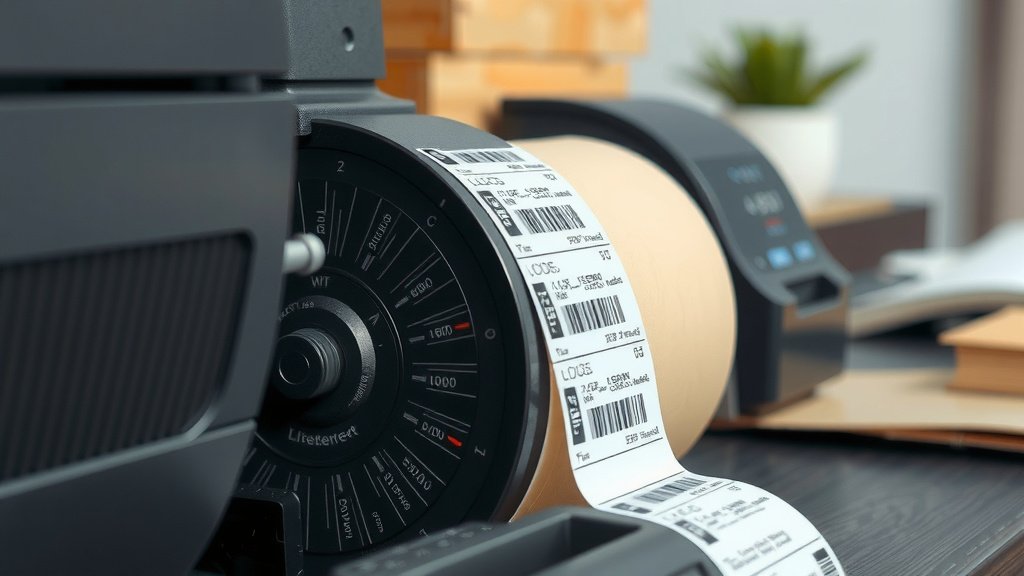
Not all labels are created equal, and the material plays a huge role in how well they stick. The surface of the label, the adhesive used, and the liner underneath all contribute to its performance.
Understanding Different Label Materials
Thermal labels come in various materials. The most common are direct thermal and thermal transfer. But even within these categories, there are differences in quality and intended use.
Direct Thermal Labels
These labels use heat from the print head to create an image. They don’t need a ribbon. Direct thermal labels are great for short-term use, like shipping labels or receipts. However, they are sensitive to heat, light, and chemicals.
Thermal Transfer Labels
These labels require a ribbon to transfer ink onto the label. They are more durable and resistant to fading and abrasion. Thermal transfer labels are better for long-term applications, such as product identification or asset tracking.
The Role of Label Quality
Lower-quality labels might use cheaper materials or less robust adhesives. This can lead to premature peeling or failure to stick in the first place. We found that investing in reputable brands often means a better adhesive and more consistent performance.
Think of it like trying to stick a cheap sticker versus a high-quality decal. The decal usually stays put much longer. It’s the same principle with your thermal labels.
The Critical Factor: Adhesive Types and Performance
The adhesive on your label is arguably the most important component for sticking power. There are several types, each suited for different surfaces and environments.
Common Adhesive Types for Labels
You’ll typically encounter three main types of adhesives on labels:
Permanent Adhesives
These are designed to stick and stay. They offer strong initial tack and long-term hold. Permanent adhesives are usually the default choice for shipping and general-purpose labeling.
Removable Adhesives
As the name suggests, these allow for removal without leaving residue. They are good for applications where labels might need to be changed, like price tags or temporary signage.
Pressure-Sensitive Adhesives (PSAs)
Most thermal labels use PSAs. They stick when pressure is applied. The amount of pressure and the type of surface affect how well they bond. We found that applying even pressure is key for PSAs.
Adhesive Degradation and Environmental Factors
Adhesives can degrade over time, especially when exposed to certain conditions. Extreme temperatures, humidity, and UV light can break down the adhesive’s ability to bond. This is why proper storage is so important.
Imagine leaving a bandage in a hot car all summer. The adhesive might get gooey or lose its stickiness. Your labels can suffer a similar fate if not stored correctly.
Printer Settings and Label Application Techniques
Sometimes, the issue isn’t the label itself, but how it’s being printed and applied. Incorrect printer settings can affect the print quality and even the label’s performance.
Optimizing Your Printer Settings
Your thermal printer has settings that can impact how the label is handled. These include print speed and darkness.
Print Speed
Printing too fast can sometimes prevent the adhesive from properly bonding to the surface. It might seem counterintuitive, but slowing down the print speed can improve adhesion. Many experts suggest testing different speeds to see what works best for your labels and printer model.
Print Darkness/Heat
For direct thermal printers, the heat setting is crucial. Too little heat won’t create a strong image. Too much heat can sometimes damage the label material or the adhesive, making it less effective. Finding the For direct thermal printers, the heat setting is crucial; learn how to adjust darkness for better prints.sweet spot is important for both print quality and label integrity.
Proper Label Application
How you apply the label matters. Ensure the surface is clean and dry before application. Any dust, grease, or moisture can create a barrier, preventing the adhesive from making full contact.
When applying, use firm, even pressure. Roll your hand or a squeegee over the label to ensure it’s fully adhered. This is especially true for pressure-sensitive adhesives.
Surface Compatibility: Where Are You Sticking Them?
The surface you apply your thermal labels to is a major factor in whether they stay put. Not all surfaces are created equal for label adhesion.
Ideal Surfaces for Label Adhesion
Smooth, clean, and dry surfaces are best. Think of materials like:
- Cardboard (clean and dry)
- Plastic (non-porous)
- Paper (smooth finish)
- Glass
Problematic Surfaces and Why
Some surfaces present challenges for label adhesives:
Rough or Textured Surfaces
The adhesive can’t make full contact with the peaks and valleys. This leads to weak spots and eventual peeling. Think of bumpy plastic or unfinished wood.
Dirty or Oily Surfaces
Contaminants act as a barrier. The adhesive simply won’t stick well to grease, oil, or even finger smudges. Always clean the surface first.
Cold or Damp Surfaces
Moisture and extreme cold can make adhesives stiff and less tacky. This prevents a strong initial bond. Allow surfaces to reach room temperature and dry completely.
Highly Flexible or Contoured Surfaces
Labels applied to items that bend or flex a lot might peel at the edges over time. The constant movement can stress the adhesive bond.
Storage Conditions: Keeping Labels Ready to Stick
How you store your thermal labels before use significantly impacts their performance. Improper storage can ruin the adhesive. This is a hidden cause of peeling that many overlook.
The Impact of Temperature and Humidity
Extreme heat can cause the adhesive to become soft and gummy, leading to premature failure. On the other hand, extreme cold can make it brittle. High humidity can also affect the adhesive and even the label material itself.
We found that the ideal storage conditions are cool, dry, and out of direct sunlight. Think of a controlled environment, not a hot warehouse or a damp basement.
Protecting Labels from Environmental Damage
Keep labels in their original packaging until you’re ready to use them. This protects them from dust, moisture, and light. Avoid storing them near heat sources or in areas with fluctuating temperatures.
If you’ve ever found a roll of labels stuck together or looking warped, that’s a sign of poor storage. This damage can lead to weak adhesion spots on your labels.
Quick Checklist for Preventing Thermal Label Peeling
To sum it up, here’s a handy checklist to help you keep your thermal labels sticking where they should:
- Choose the right label material and adhesive for your needs.
- Store labels in a cool, dry place away from direct sunlight.
- Ensure the surface you’re labeling is clean, dry, and smooth.
- Use appropriate printer settings (speed, darkness) for your labels.
- Apply labels with firm, even pressure.
- Test labels in your specific environment if possible.
Conclusion
You’ve learned a lot about why your thermal labels might be peeling. It often comes down to the label itself, how you store it, and the surface you’re applying it to. We’ve found that paying attention to label quality, adhesive type, and environmental conditions makes a big difference. Also, checking your printer settings and applying labels carefully ensures a strong bond. Don’t let peeling labels slow you down. Start by assessing your current labels and storage conditions. You’ll be sticking labels with confidence very soon!
Frequently Asked Questions
Why do my thermal labels start peeling after a few weeks?
This often points to the adhesive degrading or environmental factors weakening the bond. If your labels are exposed to extreme temperatures, humidity, or UV light, the adhesive can break down. Also, check if you’re using the right type of label and adhesive for the intended application and surface.
Can different types of thermal labels cause peeling?
Yes, absolutely. Direct thermal labels are less durable and more sensitive to heat and light than thermal transfer labels. If your application requires long-term durability or exposure to harsh conditions, you might need to switch to a higher-quality thermal transfer label with a more robust adhesive.
What’s the best way to store thermal labels to prevent peeling?
You should store your labels in a cool, dry place away from direct sunlight. Keeping them in their original packaging helps protect them from dust and moisture. Avoid storing them near heat sources or in areas with fluctuating temperatures, as this can damage the adhesive.
Does the surface I’m applying labels to really matter that much?
Yes, it’s a major factor. Rough, textured, dirty, or oily surfaces prevent the adhesive from making full contact. This creates weak spots where peeling can start. Always ensure the surface is clean, dry, and smooth for the best adhesion.
Could my printer settings be causing my labels to peel?
It’s possible. If your direct thermal printer’s heat setting is too high, it can sometimes damage the label or adhesive. Printing too quickly can also prevent the adhesive from bonding properly. Experimenting with slightly slower print speeds and optimal darkness settings can help.