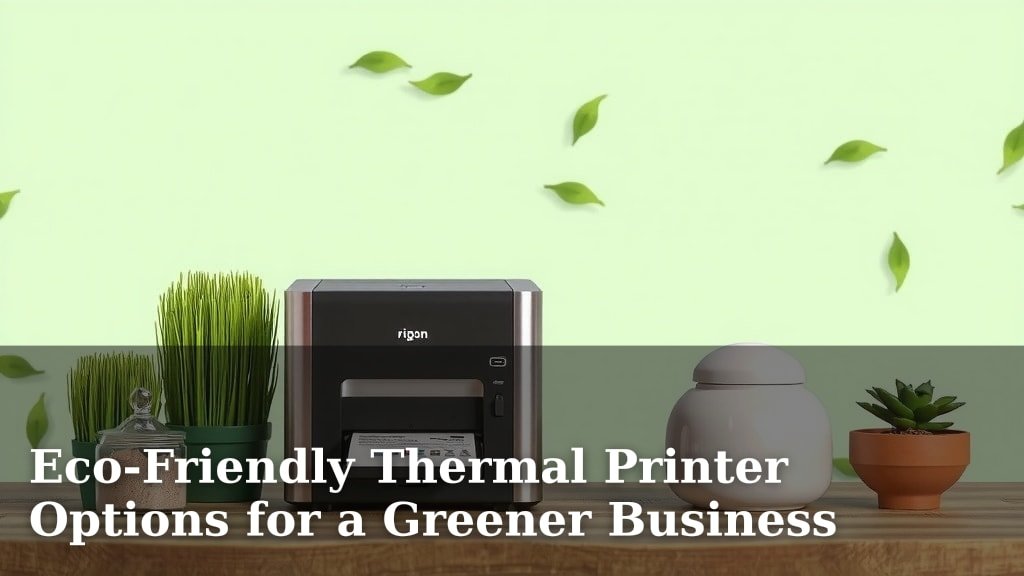
Eco-Friendly Thermal Printer Options for a Greener Business
Yes, there are absolutely eco-friendly thermal printer options available for your business. You can find printers that use less energy and require specialized paper that is kinder to the planet. Making the switch is easier than you think!
Many businesses are looking for ways to reduce their environmental footprint. Thermal printing, in particular, can be a great area to focus on. We found that choosing the right printer and supplies can make a noticeable difference in your waste and energy consumption. It’s a smart move for your business and for Earth.
- Thermal printers can be eco-friendly.
- Look for energy-efficient models.
- Consider recyclable or compostable paper.
- Reduce waste with smart printing habits.
- Many brands offer greener choices.
Ready to make your printing greener? Let’s dive into the best eco-friendly thermal printer options and what to look for to make a smart choice for your business.
Greening Your Business with Eco-Conscious Thermal Printers
You’re looking to make your business more environmentally friendly, and that’s fantastic! Thermal printers can be a surprisingly good place to start. We’ve researched how you can make smart choices. You can reduce waste and energy use with the right printer and supplies. It’s not as complicated as you might think.
Understanding How Thermal Printers Work (The Eco Angle)
Thermal printers are great because they don’t use ink or toner. This alone cuts down on chemical waste. They work by heating special paper or a thermal ribbon. This heat creates the image you print. Less waste from cartridges is a big win for the planet. Many experts agree that reducing cartridge waste is a key environmental benefit (EPA).
Direct Thermal vs. Thermal Transfer: Which is Greener?
Direct thermal printers are generally considered more eco-friendly. They use heat-sensitive paper. This means you don’t need any ribbons. Less material to dispose of is always good. Thermal transfer printers use a ribbon to melt ink onto the label. While they offer durability, they add another consumable to manage. For maximum eco-friendliness, direct thermal is often the way to go.
Key Features to Look for in an Eco-Friendly Thermal Printer
When you’re shopping, keep a few things in mind. You want a printer that’s built to last. Energy efficiency is also a big plus. Some models use less power when idle or printing. Checking the manufacturer’s sustainability reports can be helpful too. Many companies are now sharing their eco-efforts openly.
Energy Efficiency Ratings
Look for printers with ENERGY STAR certification. This means they meet strict energy efficiency guidelines set by the EPA. These printers use less electricity. That helps lower your utility bills and reduces your carbon footprint. It’s a simple way to save money and help the environment at the same time.
Durability and Longevity
A printer that lasts longer means less waste from manufacturing and disposal. Choose models known for their robust build quality. Read reviews to see how well they hold up over time. A well-built printer might cost a bit more upfront, but it’s a greener choice in the long run.
The Role of Eco-Friendly Thermal Paper
The paper you use is just as important as the printer itself. Not all thermal paper is created equal. Some types are better for the environment than others. Understanding your paper options can make a big difference in your business’s waste stream.
BPA-Free and Recyclable Papers
Many traditional thermal papers contain Bisphenol A (BPA) or Bisphenol S (BPS). These chemicals can be harmful. Thankfully, many manufacturers now offer BPA-free thermal paper. Look for labels that clearly state “BPA-free.” Also, investigate if the paper is recyclable or compostable. Some papers are designed to break down more easily. Research suggests that reducing chemical exposure is a public health priority (NIH).
Sustainably Sourced Paper Options
Just like with regular paper, you can find thermal paper made from recycled content or from responsibly managed forests. Look for certifications like FSC (Forest Stewardship Council). This ensures the paper comes from sources that protect biodiversity and the environment. You can often find these specialized papers from the same suppliers you already use.
Compostable Thermal Paper: The Next Frontier
Compostable thermal paper is an exciting development. It’s designed to break down naturally in composting environments. This significantly reduces landfill waste. If your business has access to commercial composting, this is an excellent option. It closes the loop, turning waste into something useful for the soil.
Making Smart Printing Habits for a Greener Office
Even with the most eco-friendly printer and paper, your habits matter. You can implement simple changes to reduce your overall printing impact.
Print Only What You Need
Before hitting print, ask yourself if it’s truly necessary. Can this information be viewed digitally? Can it be shared via email? Cutting down on unnecessary prints is the easiest way to reduce paper waste. Think of it like saving a digital document versus printing it out for every read.
Use Print Preview and Double-Check
Always use the print preview function. This helps you catch errors and avoid reprinting. Make sure the layout is correct and you haven’t accidentally set it to print multiple copies. A quick check can save a sheet of paper and prevent frustration.
Proper Disposal and Recycling
When it’s time to replace your printer or dispose of old paper, do it responsibly. Many electronics have recycling programs. Check with your local waste management services. For paper, ensure you’re using the correct recycling bins. If you’re using compostable paper, make sure it goes into the right compost stream.
Finding Eco-Conscious Brands
Many reputable printer manufacturers are stepping up their environmental game. You can often find specific product lines or initiatives focused on sustainability. Research brands that are transparent about their manufacturing processes and their efforts to reduce emissions and waste.
Brands with Sustainability Initiatives
We found that companies like Brother, Epson, and Zebra have various programs. They often focus on reducing packaging waste and energy consumption in their products. Some even offer take-back programs for old equipment. Exploring their corporate social responsibility pages can give you a good overview.
Here’s a quick checklist to help you choose wisely:
- Look for ENERGY STAR certification.
- Prioritize BPA-free and recyclable paper.
- Consider printers made with durable, long-lasting materials.
- Check for manufacturer sustainability reports.
- Implement smart printing habits to reduce waste.
- Explore compostable paper options if available.
Conclusion
You’ve seen that making your business greener with thermal printing is totally achievable. By choosing energy-efficient printers and opting for eco-friendly paper like BPA-free or compostable options, you can significantly reduce waste. Remember, your printing habits also play a big role. Start by printing only what you need and disposing of materials responsibly. Your next step is to review your current printing setup and identify one change you can make this week, whether it’s researching a new printer model or switching your paper supplier.
Frequently Asked Questions
Are there specific brands known for eco-friendly thermal printers?
Yes, brands like Brother, Epson, and Zebra are noted for their sustainability initiatives. We found they often focus on reducing packaging waste and energy use. Many also provide information on their corporate social responsibility pages regarding their eco-efforts.
How can I tell if thermal paper is truly eco-friendly?
Look for clear labels indicating BPA-free or BPS-free. Certifications like FSC (Forest Stewardship Council) show sustainable sourcing. For the most eco-conscious choice, investigate options for compostable thermal paper if your business can use it.
Is direct thermal printing always more eco-friendly than thermal transfer?
Generally, yes. Direct thermal printers use only heat-sensitive paper, eliminating the need for ribbons entirely. Thermal transfer printers require ribbons, which add another consumable item to manage and dispose of, making direct thermal a greener choice.
What is ENERGY STAR certification for printers?
ENERGY STAR is a program that certifies products meeting strict energy efficiency guidelines. An ENERGY STAR-certified thermal printer uses less electricity, both when printing and when idle. This helps lower your energy bills and reduces your overall carbon footprint.
Besides paper, what else contributes to a thermal printer’s environmental impact?
The printer’s energy consumption is a major factor. Also consider its durability and longevity; a printer that lasts longer means less waste from manufacturing and disposal. Responsible disposal or recycling of the printer at the end of its life is important too.