Thermal Paper Types Explained: A 2026 Guide
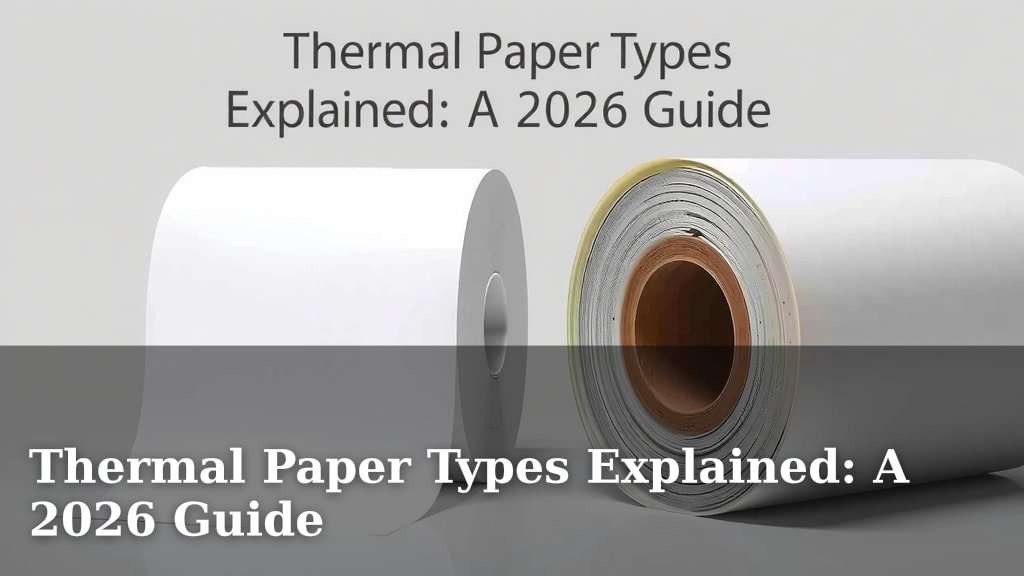
Thermal paper is a special kind of paper that changes color when heat is applied, commonly used for receipts and labels. There are three main types you’ll typically encounter: direct thermal, thermal transfer, and coated thermal. Each has unique properties suited for different jobs, affecting durability and print quality.
Choosing the right thermal paper can make a big difference in your business. Direct thermal is great for short-term use like grocery receipts. Thermal transfer offers more durability and is ideal for longer-lasting labels. Understanding these differences helps you select the most cost-effective and practical option for your needs.
- Direct thermal: Heat-activated, fades over time.
- Thermal transfer: Uses a ribbon, more durable.
- Coated thermal: A broader category, often refers to direct thermal.
- Durability and cost vary greatly by type.
- Match paper type to your specific application for best results.
Let’s break down each type of thermal paper so you can make the best choice for your specific printing needs.
“`htmlUnderstanding Different Thermal Paper Options
You’ve likely seen thermal paper everywhere, from your last grocery store receipt to shipping labels. But did you know there’s more than one kind? We found that understanding the differences between them can save you money and ensure your printed information lasts as long as you need it to.
Direct Thermal Paper: The Speedy, Budget-Friendly Choice
This is probably the type of thermal paper you encounter most often. Direct thermal paper is a fantastic option for many everyday printing tasks. It’s like magic – no ink or toner needed!
How Does Direct Thermal Work?
Direct thermal paper has a special coating that reacts to heat. When your thermal printer’s printhead gets hot, it touches the paper and causes the coating to turn black. It’s a simple, direct process that makes printing very quick and efficient. We found this makes it ideal for situations where speed is key.
Where You’ll Typically Find It
Think of receipts from your favorite coffee shop or grocery store. They are usually printed on direct thermal paper. Other common uses include:
- Point-of-sale (POS) receipts
- Parking tickets
- Some shipping labels (especially for shorter transit times)
- Event tickets
- Medical wristbands
The Pros of Going Direct
Why is direct thermal so popular? For starters, it’s incredibly cost-effective. Since you don’t need ink cartridges or ribbons, your ongoing operational costs are lower. The printing process is also very quiet and fast. Many businesses appreciate the simplicity of not having to replace ink or toner.
The Downsides to Consider
Here’s where a little caution is needed. Direct thermal prints are not built for the long haul. Exposure to heat, sunlight, or even just friction can cause the print to fade over time. We found that if you need a document that needs to be kept for months or years, direct thermal might not be your best bet. Think of it like an old photograph left in the sun – it eventually fades away.
For instance, if you’re printing labels for products that will be stored in a warehouse for a long time or shipped internationally with a complex supply chain, the information might become unreadable before it reaches its destination. Many experts recommend direct thermal for items with a short lifespan.
Thermal Transfer Paper: For Prints That Last
If you need your prints to be more permanent and resistant to fading, then thermal transfer paper is likely what you’re looking for. This type offers superior durability.
The Thermal Transfer Printing Process Explained
Unlike direct thermal, thermal transfer printing uses a special ribbon – usually made of wax or resin – to create the image. The printer heats the ribbon, melting the ink onto the label or paper. This creates a much more robust and long-lasting print. We found that this method is more complex but yields better results for durability.
Common Applications for Thermal Transfer
Because of its durability, thermal transfer paper is used in situations where the printed information needs to withstand more rigorous conditions. This includes:
- Durable product labels for retail
- Asset tracking labels
- Outdoor labels
- Chemical or laboratory labels
- Serial number plates
- Identification badges
What Makes Thermal Transfer So Tough?
The key advantage here is longevity. Thermal transfer prints are resistant to fading from sunlight, chemicals, and abrasion. They can last for years, sometimes even decades, depending on the type of ribbon and material used. Many guidelines suggest it for archival purposes.
Think about a product label on a bottle of cleaning solution. It needs to withstand potential splashes and general wear and tear. Or consider asset tags on equipment that might be moved around frequently. Thermal transfer can handle that kind of stress. We found that its ability to resist smudging is another big plus.
The Trade-offs with Thermal Transfer
While the durability is excellent, thermal transfer printing does have a couple of trade-offs. First, you need to purchase and replace the thermal ribbons, which adds to the ongoing cost. Second, the printing process can be slightly slower than direct thermal. You also need to ensure you’re using the correct ribbon type for your paper to get the best results.
Coated Thermal Paper: A Broader Category
Sometimes, you’ll hear the term “coated thermal paper.” This isn’t a third distinct type of printing technology in the same way direct thermal and thermal transfer are. Instead, it’s a more general description.
What “Coated” Actually Means
Both direct thermal and thermal transfer papers are, by definition, coated. They both have a special chemical coating applied to them. In the context of direct thermal paper, this coating is specifically designed to react to heat. For thermal transfer, the coating is designed to accept the melted ink from the ribbon.
So, when someone says “coated thermal paper,” they are often referring to direct thermal paper because its coating is the active ingredient that creates the image. It’s a bit like saying “painted metal” – the paint is the active part that changes the appearance, but the metal itself is still there. We found this can sometimes lead to confusion if not clarified.
Clarifying the Terminology
If you see “coated thermal paper” in a product description, it’s usually safe to assume they mean direct thermal paper unless specified otherwise. It’s always a good idea to check the product details to see if it’s designed for direct thermal printing or thermal transfer. Asking for clarification is perfectly fine!
Comparing Your Options: A Quick Look
To help you decide, let’s summarize the key differences. It’s like picking the right tool for the job – you wouldn’t use a hammer to screw in a nail!
| Feature | Direct Thermal | Thermal Transfer |
|---|---|---|
| Print Technology | Heat-activated coating | Heat melts ribbon ink onto surface |
| Durability | Fades with heat, light, friction | Highly durable, resistant to fading and abrasion |
| Speed | Very fast | Slightly slower |
| Cost (Ongoing) | Lower (no ribbons needed) | Higher (ribbons required) |
| Print Longevity | Short-term (months) | Long-term (years) |
| Common Use | Receipts, temporary labels | Durable labels, asset tags, barcodes |
Choosing the Right Paper for Your Needs: A Checklist
Making the right choice ensures your prints are functional and last as long as you need them to. Here’s a quick checklist to guide you:
- What is the intended lifespan of the print? (Short-term = direct thermal; Long-term = thermal transfer)
- Will the print be exposed to harsh conditions? (Heat, sun, chemicals = thermal transfer)
- What is your budget for ongoing supplies? (Lower = direct thermal; Willing to invest more for durability = thermal transfer)
- How important is print clarity over time? (Temporary clarity = direct thermal; Permanent clarity = thermal transfer)
- Are you printing simple receipts or complex barcodes/labels? (Receipts often use direct thermal; barcodes/labels needing durability often use thermal transfer)
- Do you want a simpler printer setup? (Direct thermal requires less equipment)
By considering these points, you can confidently select the thermal paper that best suits your business operations and specific printing requirements. We found that taking a moment to assess these factors upfront can prevent headaches down the line!
“`
Conclusion
You’ve now seen how the world of thermal paper breaks down into two main technologies: direct thermal and thermal transfer. Direct thermal is your go-to for quick, everyday prints like receipts, offering a budget-friendly option. For anything that needs to last, resisting fade and wear, thermal transfer is the superior choice. Remember, “coated thermal paper” usually just refers to direct thermal. Carefully consider your print’s lifespan and environment to pick the right paper. Your next step is to check your current printer’s specifications and the intended use of your labels or receipts to make an informed decision for your business.
Frequently Asked Questions
How can I tell if my receipt is direct thermal or thermal transfer?
Most receipts you get from stores are direct thermal. You can often tell by how easily they fade. Try scratching a small, inconspicuous area of the receipt with a fingernail or coin; direct thermal will often smudge or darken. If it’s a very durable label, it’s more likely thermal transfer.
Can I use direct thermal paper in a thermal transfer printer?
No, you cannot. Direct thermal paper requires direct heat from the printer head to create an image. Thermal transfer printers use a ribbon, and direct thermal paper is not designed to accept ink from a ribbon. Attempting to use it will result in blank or very poor prints.
How long does direct thermal paper last?
The lifespan of direct thermal prints varies greatly. Generally, they are intended for short-term use, lasting anywhere from a few months to a year if stored properly. Exposure to heat, sunlight, oils, or even friction will significantly shorten their readability.
What kind of ribbon should I use for thermal transfer printing?
The type of ribbon you need depends on the material of your thermal transfer paper and its intended use. Wax ribbons are cost-effective for general-purpose labels. Resin ribbons offer maximum durability and resistance to chemicals and abrasion, suitable for harsh environments. Wax/resin blends offer a balance between the two.
Is thermal transfer paper more expensive than direct thermal paper?
Yes, thermal transfer paper itself can sometimes be slightly more expensive than direct thermal paper. However, the biggest cost difference comes from the ongoing need to purchase thermal ribbons for thermal transfer printers, which adds to the overall expense compared to direct thermal printing where no ribbons are needed.