Are Thermal Printers Worth It? A 2026 Buyer’s Guide
Yes, thermal printers are definitely worth it for many businesses, especially if you need to print labels, receipts, or tickets quickly and affordably. They are known for their speed and low running costs, as they don’t use ink or toner. You can expect them to be a reliable workhorse for your daily printing needs.
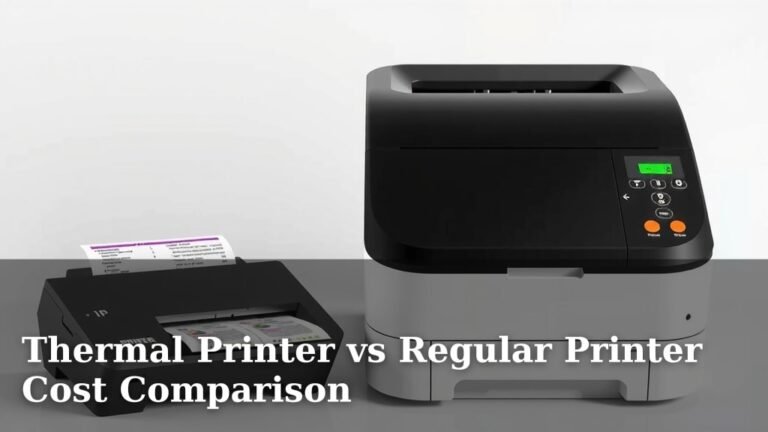
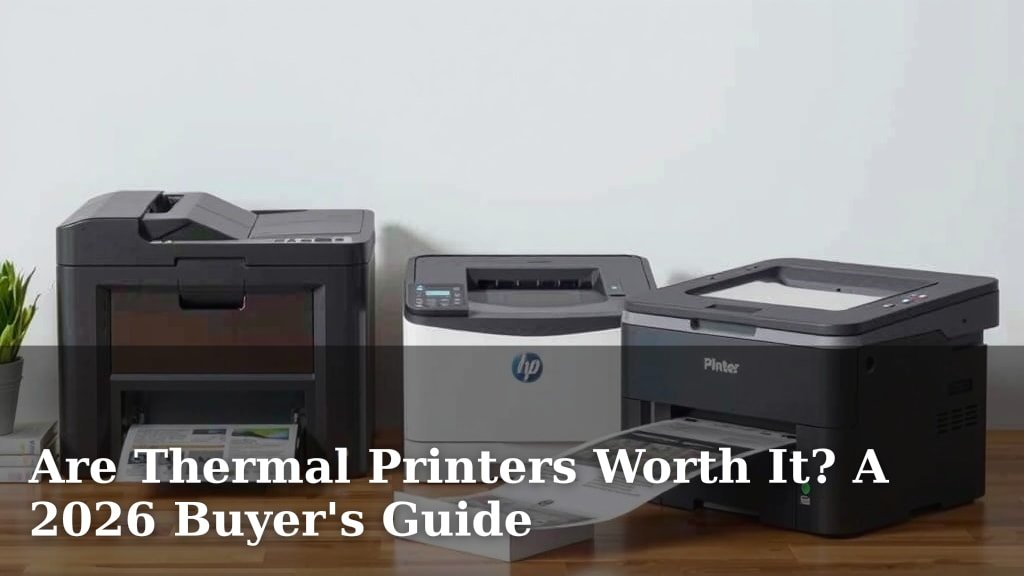
When considering thermal printers, it’s good to think about how they compare to traditional inkjet or laser printers. Thermal printers are built for high-volume, repetitive printing. They excel in environments where you need to print many items without fuss. Many small businesses find them a smart investment for improving efficiency.
- Thermal printers are great for labels and receipts.
- They are faster and cheaper to run than other printers.
- No ink or toner means less hassle and fewer ongoing costs.
- They are ideal for busy environments needing lots of printing.
Let’s break down what makes thermal printers such a popular choice and help you decide if one is the right fit for your operation.
“`htmlWhen Are Thermal Printers a Smart Choice?
Thermal printers are absolutely worth considering for your business. They shine when you need to print a lot of items quickly. Think shipping labels, product tags, or customer receipts. If your daily printing involves these tasks, a thermal printer can be a real game-changer for your efficiency. Many businesses find them a cost-effective solution over time.
Understanding Thermal Printing Technology
You might be wondering how these printers actually work. It’s pretty neat! Thermal printers use heat to create an image on special paper. There are two main types, and understanding them helps you know which is best for you.
Direct Thermal Printing
Direct thermal printing is the most common type for labels and receipts. It works by heating a special thermal paper. This paper has a coating that turns black when heat is applied. The print head in the printer has tiny heating elements. These elements heat up in specific patterns to form the text and images. It’s like a tiny, precise hot pen drawing on the paper. This method is simple and requires no ink.
Pros of Direct Thermal
- No ink or toner needed: This is a huge plus! It means no messy refills and no worrying about running out of ink mid-print.
- Fast printing speeds: Direct thermal printers can churn out labels and receipts very quickly. This is great for busy environments.
- Low maintenance: With fewer moving parts and no consumables like ink, these printers often require less upkeep.
- Cost-effective for high volume: While the initial printer cost might be higher than some basic inkjet models, the lack of ongoing costs for ink or toner makes them cheaper per print.
Cons of Direct Thermal
- Print fades over time: The biggest drawback is that direct thermal prints can fade. Exposure to heat, light, or certain chemicals will cause them to disappear. This makes them unsuitable for documents that need to last for years.
- Requires special paper: You must use thermal-reactive paper. This paper is more expensive than plain paper.
- Limited print quality for images: While good for text and basic graphics, direct thermal isn’t ideal for high-quality photo printing.
Thermal Transfer Printing
Thermal transfer printers use a different approach. Instead of heating special paper, they use a heated ribbon and a standard label material. The print head heats the ribbon, which melts ink onto the label. The ribbon is used up in this process, so it’s a consumable like ink or toner. This method creates more durable and long-lasting prints.
Pros of Thermal Transfer
- Durable prints: Prints made with thermal transfer are much more resistant to fading, smudging, and environmental factors. They are great for labels that need to withstand harsh conditions. Many experts say these prints can last for years (Source: various printing industry standards).
- Print on various materials: You can print on a wider range of label materials, including plastics and synthetics, not just thermal paper.
- Crisp, high-quality output: This method often produces sharper text and more detailed images.
- Color printing possible: While most are monochrome, color ribbons are available, though less common for business use.
Cons of Thermal Transfer
- Requires ribbons: You need to buy thermal transfer ribbons, which are an ongoing cost.
- More complex maintenance: Having to replace ribbons adds a step to the printing process.
- Slower printing speeds: Generally, thermal transfer printers are a bit slower than direct thermal models.
Where Do Thermal Printers Excel?
Thermal printers really shine in specific business applications. If your work involves any of these, you’re likely to see a significant benefit.
Shipping and Logistics
This is a huge area for thermal printers. Think about printing shipping labels for packages. You need them fast, clear, and often in large volumes. Services like UPS, FedEx, and USPS rely on them. A thermal printer can quickly produce scannable barcodes and addresses. This speeds up your packing process and reduces errors. Many small businesses that sell online find this capability essential for efficient order fulfillment.
Retail Operations
In retail, thermal printers are used for point-of-sale receipts. When a customer buys something, you need to print a receipt right away. Thermal receipt printers do this in seconds. They are also great for printing price tags and product labels. Keeping your inventory accurately labeled is key to smooth operations. Some retail experts suggest that clear, consistent labeling can even boost sales (Source: Retail Management Journals).
Food Service and Hospitality
Restaurants and cafes use thermal printers for kitchen order tickets. When you place an order, a slip prints in the kitchen showing what to make. This helps the kitchen staff stay organized and ensures accuracy. Waitstaff also use them for printing customer checks. The speed and reliability are vital in these fast-paced environments.
Healthcare and Laboratories
In healthcare, thermal printers are used for patient identification wristbands. These need to be durable and easy to read. They are also used for printing lab labels for specimens. Accuracy and clear labeling are absolutely critical in healthcare to prevent mix-ups. Many medical facilities rely on these printers for patient safety (Source: Healthcare IT guidelines).
Comparing Thermal to Traditional Printers
It’s helpful to see how thermal printers stack up against the inkjet or laser printers you might already have.
| Feature | Thermal Printer | Inkjet/Laser Printer |
|---|---|---|
| Primary Use | Labels, receipts, tickets | Documents, photos, general office printing |
| Consumables | Thermal paper (direct thermal) or ribbons (thermal transfer) | Ink cartridges or toner cartridges |
| Speed | Very fast for dedicated tasks | Varies, often slower for high volume labels |
| Cost Per Print | Very low (no ink/toner) | Higher due to ink/toner replacement |
| Print Durability | Varies: direct thermal fades, transfer is durable | Generally good, depends on paper and ink type |
| Maintenance | Low | Higher (ink clogs, toner replacement) |
The Ink-Free Advantage
The biggest differentiator is the absence of ink or toner. For inkjet and laser printers, these are a constant expense. You have to buy new cartridges or toner regularly. This can add up quickly, especially if you print a lot. Thermal printers eliminate this ongoing cost, making them incredibly economical for high-volume printing. We found that for businesses printing hundreds or thousands of labels a month, the savings on ink alone can justify the printer’s cost within a year.
Speed and Efficiency Boost
If you’re tired of waiting for your current printer to spit out pages, you’ll love a thermal printer. They are engineered for speed. For tasks like printing a batch of shipping labels, a thermal printer can finish the job in a fraction of the time. This translates directly into saved labor costs and improved workflow. Your team can get more done in less time, which is a win-win for productivity.
Considering Your Business Needs
To decide if a thermal printer is right for you, think about these key questions.
What do you print most often?
If your answer is labels, receipts, or tickets, then yes, a thermal printer is likely a great investment. If you mostly print documents, reports, or photos, a traditional printer might be more suitable.
How much do you print?
High-volume printing is where thermal printers truly shine. If you print only a few labels a week, the benefits might be less pronounced. But for businesses printing dozens or hundreds of labels daily, the efficiency gains are substantial.
What are your long-term cost goals?
If you want to minimize ongoing expenses related to printing, thermal printers offer a clear path. The savings on consumables can be significant over the life of the printer. You’re trading a higher initial cost for lower operating costs.
Making the Final Decision: A Quick Checklist
Before you decide, run through this quick checklist:
- Do you frequently print shipping labels or product tags?
- Are you looking to reduce ongoing printing costs like ink or toner?
- Is speed and efficiency important for your daily tasks?
- Do you need durable labels for product tracking or harsh environments?
- Is your current printing setup causing bottlenecks?
If you answered “yes” to most of these, then you’re probably ready to explore thermal printer options. They can be a fantastic tool for streamlining your operations and saving money.
“`Conclusion
So, are thermal printers worth it? For many businesses, the answer is a resounding yes. They offer a clear path to faster printing and lower long-term costs, especially if your daily tasks involve labels, receipts, or tickets. By eliminating ink and toner, they remove a consistent expense and a common point of friction. If you’re printing in high volumes, a thermal printer can streamline your operations and become a reliable workhorse. Your next step is to assess your specific printing needs and see if a thermal solution fits your workflow and budget.
Frequently Asked Questions
How long do thermal printer labels last?
Direct thermal labels can fade over time, especially with exposure to heat, light, or certain chemicals. For most everyday uses like shipping labels, they hold up well for months or even a year. If you need prints that last for many years or endure harsh conditions, consider thermal transfer printing with specialized labels.
Can I print photos on a thermal printer?
Generally, no. Thermal printers are designed for text, barcodes, and basic graphics. While some higher-end models might offer improved image quality, they are not a substitute for photo printers. Their strength lies in efficient, high-volume label and receipt printing, not detailed photographic reproduction.
What’s the difference between direct thermal and thermal transfer paper?
Direct thermal paper has a heat-sensitive coating that turns black when heated by the printer. Thermal transfer printing uses a ribbon to melt ink onto a wider variety of label materials, not just special paper. Direct thermal is simpler but less durable, while thermal transfer offers more durable prints on various surfaces.
Are thermal printers difficult to set up and use?
Most modern thermal printers are designed for user-friendliness. Setup typically involves connecting the printer to your computer or network and installing basic drivers. For many common tasks like printing shipping labels from e-commerce platforms, they integrate quite easily.
Is a thermal printer a good investment for a very small business?
Yes, a thermal printer can be an excellent investment even for a small business, particularly if you sell products online and ship them. The ability to quickly print shipping labels and the savings on ink or toner can quickly add up, improving efficiency and reducing costs from day one.