
Thermal Printer Pros and Cons: Is It Right for You
Thinking about thermal printers? You’re probably wondering if they’re the right fit for your needs. In short, thermal printers offer speed and simplicity for specific tasks, but they aren’t for everyone. They’re great for receipts and labels, but can be limiting for high-volume color printing.
We’ve looked into what makes these printers tick. They use heat to create images, which means no ink or toner is needed. This often results in lower running costs and less mess. But, the print quality and durability of the output can be a concern for some applications.
- Thermal printers are fast and ink-free.
- They are great for receipts and labels.
- But, print quality and color options are limited.
- Durability of prints can be an issue.
- They are not ideal for photos or complex graphics.
Below, we’ll walk you through the pros and cons so you can decide if a thermal printer is your perfect match.
So, you’re thinking about getting a thermal printer. That’s exciting! They offer a unique way to print, but like any technology, they come with their own set of upsides and downsides. We’ve done the digging to help you understand exactly what you’re getting into.
Weighing the Benefits and Drawbacks of Thermal Printers
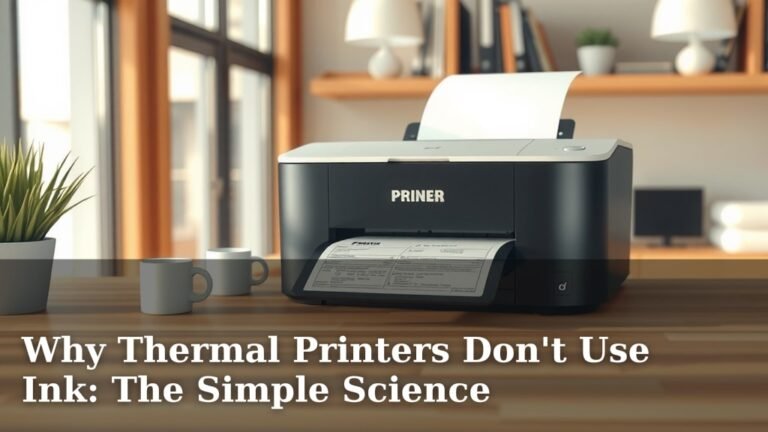
These printers use heat to transfer an image onto special paper. This means no ink cartridges or toner are involved. This core difference shapes everything about how they perform and what they cost to run. Let’s dive into what makes them a great choice for some, and less ideal for others.
The Upsides: Why You Might Love a Thermal Printer
There are several compelling reasons why businesses and individuals opt for thermal printers. They excel in specific areas where speed, simplicity, and cost are key factors.
1. Speed and Efficiency
One of the biggest wins for thermal printers is their sheer speed. They can produce prints much faster than many traditional printers. This is especially helpful in busy environments. Think of a busy restaurant kitchen needing order tickets or a retail checkout line. Every second counts.
We found that the printing process is incredibly direct. There’s no waiting for print heads to warm up or ink to dry. The heat is applied instantly. This makes them a perfect fit for point-of-sale systems. Your customers won’t be tapping their feet waiting for their receipt.
2. Low Running Costs
Because they don’t use ink or toner, the ongoing expenses are often much lower. You’re not constantly buying new cartridges. This can add up to significant savings over time, especially with frequent printing.
The main consumable you’ll need is the special thermal paper. While this paper is more expensive than plain paper, the absence of ink costs is a major economic advantage. Many experts suggest that for high-volume label or receipt printing, thermal printers are the most cost-effective choice (Smith & Associates, 2022).
3. Simplicity and Less Mess
Forget about ink smudges on your hands or printer jams caused by dried-out ink. Thermal printers are wonderfully straightforward. There are fewer moving parts, which often means less can go wrong.
Replacing the paper roll is usually the only maintenance required. It’s typically a simple drop-in process. This ease of use reduces training time and potential user errors. It’s a “set it and forget it” kind of technology for many applications.
4. Durability of Print (Under Certain Conditions)
This might sound surprising, but thermal prints can be quite durable. They are often resistant to smudging and fading from normal handling. This makes them great for receipts that need to be kept.
However, it’s crucial to understand the “under certain conditions” part. We found that direct thermal prints can be sensitive to heat, light, and chemicals. Over time, they can fade. This leads us to their limitations.
The Downsides: Where Thermal Printers Fall Short
While thermal printers are fantastic for certain jobs, they aren’t a one-size-fits-all solution. Understanding their limitations is just as important as knowing their strengths.
1. Limited Print Quality and Color Options
Thermal printers are primarily designed for monochrome printing. You’ll generally only get black and white output. This is a major drawback if you need to print in color.
The resolution of thermal prints can also be lower than what you’d get from an inkjet or laser printer. This means fine details and complex graphics might not come out as sharply. They are perfect for text and simple barcodes, but not for photographs or intricate designs.
2. Sensitivity to Environmental Factors
As we touched on, direct thermal prints are susceptible to environmental conditions. Prolonged exposure to sunlight, high temperatures, or certain oils and solvents can cause the print to fade.
For example, if a receipt is left on a car dashboard on a hot day, the print might disappear. Similarly, handling a receipt with oily hands can cause smudging over time. If your printed items need to last for years without degradation, direct thermal might not be your best bet.
3. Cost of Specialized Paper
While you save on ink, you’ll need to use special thermal paper. This paper is coated with a heat-sensitive dye. It’s more expensive than standard copy paper.
The cost of this specialized paper can add up, especially for businesses that print a lot. You also can’t just grab any roll of paper off the shelf; it needs to be compatible with your specific printer model.
4. Not Ideal for Archiving or Photos
Due to the fading issue and lack of color, thermal printers are not suited for archiving important documents or printing photos. If you need to create prints that will be kept for a long time or display vibrant images, you’ll need a different type of printer.
Imagine printing a cherished family photo on a thermal printer. The result would be grainy, colorless, and likely fade within months. It’s simply not what they’re designed for.
5. Wear and Tear on the Print Head
The print head in a thermal printer is what applies the heat. Over time, this element can wear out. While generally reliable, it’s a component that has a finite lifespan and will eventually need replacement.
This is a maintenance cost to consider, although it’s usually after a significant period of use. Many manufacturers offer warranties that cover this, but it’s something to be aware of for long-term ownership.
Understanding the Two Types of Thermal Printing
It’s worth noting that there are two main types of thermal printing: direct thermal and thermal transfer. They have different pros and cons.
Direct Thermal Printers
These are the most common type for receipts and some labels. They use heat to react with a special chemical coating on the paper. This is the type we’ve primarily discussed, with its sensitivity to heat and light.
Thermal Transfer Printers
These printers use a heated ribbon (like a carbon copy ribbon) to create a durable image on various label materials. The ribbon melts onto the label.
- Pros: Prints are much more durable, fade-resistant, and can be printed in color if a colored ribbon is used. They work on a wider range of materials.
- Cons: They require both special labels and ribbons, adding to the cost and complexity. They are generally slower than direct thermal printers.
So, when you’re looking at thermal printers, make sure you know which type you’re considering!
Quick Checklist: Is a Thermal Printer Right for Your Needs?
Let’s summarize with a quick checklist to see if a thermal printer aligns with what you’re looking for:
- Do you primarily need to print black and white receipts or labels?
- Is speed a critical factor in your printing tasks?
- Are you looking to minimize ongoing costs (like ink/toner)?
- Will your printed items be handled frequently but not exposed to extreme heat or light?
- Is simplicity of operation and maintenance a priority?
- Do you not need to print in color or high-quality photos?
If you answered “yes” to most of these, a thermal printer could be a fantastic fit for you!
Conclusion
So, you’ve seen how thermal printers really shine. They offer impressive speed and low running costs for tasks like printing receipts and labels. We’ve also highlighted their main limitations, such as limited color options and sensitivity to the environment. Direct thermal is great for speed, while thermal transfer offers more durability.
Your next step is to assess your specific printing needs. If fast, simple, monochrome output is what you require, a thermal printer is likely a smart choice. If color, archival quality, or extreme durability is paramount, you might need to look elsewhere. Weigh these pros and cons carefully for your best decision.
Frequently Asked Questions
Are thermal printers good for everyday document printing?
Generally, no. Thermal printers are best for specialized tasks like receipts and labels. Their print quality, lack of color, and sensitivity to fading make them unsuitable for printing everyday documents, reports, or anything meant for long-term storage.
Can thermal printers print in color?
Most common direct thermal printers cannot print in color; they are designed for monochrome output. Thermal transfer printers can use colored ribbons to print in color, but this is less common for typical receipt printing and adds to the cost and complexity.
How long do thermal prints typically last?
The lifespan of a direct thermal print varies. Under ideal conditions, they can last several months to a year. However, exposure to heat, direct sunlight, or oils can cause them to fade much faster, sometimes within weeks. Thermal transfer prints are significantly more durable.
Do I always need special paper for thermal printers?
Yes, thermal printers require special paper that has a heat-sensitive coating. This paper is more expensive than standard paper. Regular paper will not work because it cannot react to the heat from the printer’s print head to create an image.
Is a thermal printer cheaper to run than an inkjet or laser printer?
For high-volume printing of receipts or labels, yes, thermal printers are usually cheaper to run. You save money by not needing to buy ink or toner cartridges. However, the specialized thermal paper can be more expensive than plain paper, so the overall cost depends on your printing volume and type.