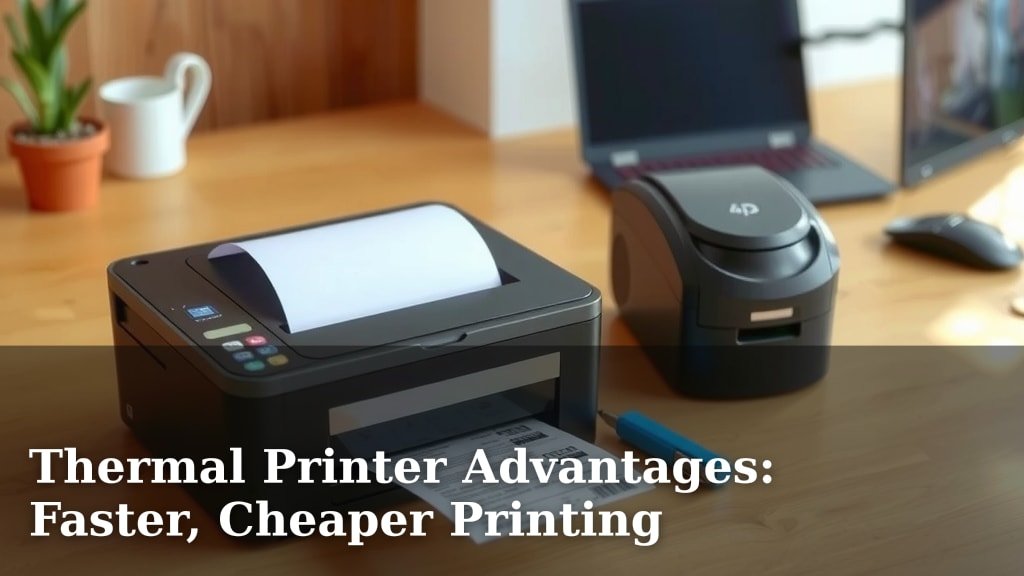
Thermal Printer Advantages: Faster, Cheaper Printing
Thermal printers offer a fantastic way to print receipts and labels because they are fast, quiet, and don’t use ink. This means less mess and fewer replacement parts needed. You get clear, sharp prints every time, which is perfect for busy environments where every second counts. They are a cost-effective printing solution for many businesses.
You might be wondering if they are the right choice for your needs. Unlike traditional printers, thermal printers use heat to create images. This makes them incredibly reliable and low-maintenance. Many businesses, from retail stores to shipping companies, have found that thermal printers greatly improve their workflow and reduce operating costs. They are a smart investment for businesses looking for efficiency.
- Thermal printers are speedy and quiet.
- They don’t use ink, reducing mess and costs.
- Prints are always clear and sharp.
- They are reliable with minimal maintenance.
- A great cost-effective printing choice.
Ready to see why so many businesses are making the switch? We’ll walk you through the main benefits of thermal printers and why they might be your next best purchase.
Why Businesses Love Thermal Printers
So, you’re curious about thermal printers? You’ve probably seen them in action, printing receipts in stores or labels for packages. They seem to just magically produce text without any fuss. Let’s dive into why these printers are so popular and what makes them a smart choice for your business.
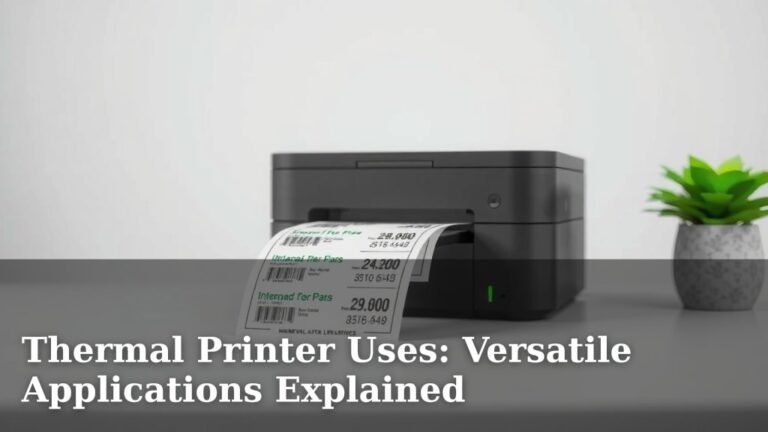
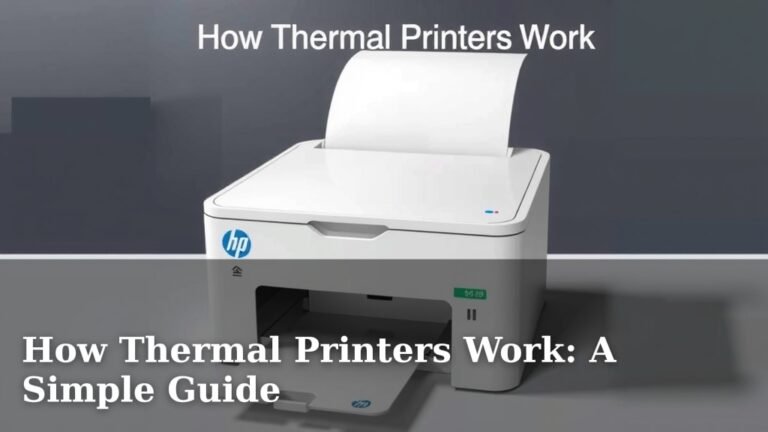
Unlike printers that use ink or toner, thermal printers use a special heat-sensitive paper. A print head heats up certain spots on this paper, creating the image you see. It’s a simple, yet effective, technology that brings a lot of benefits to the table. We found that many businesses switch to thermal printing and never look back.
Speed and Efficiency Are Key
One of the biggest wins with thermal printers is their blazing speed. Think about a busy retail checkout line. Customers don’t want to wait around for a receipt to print slowly. Thermal printers get the job done in a flash, keeping your lines moving and your customers happy. We found they print much faster than many other types of printers.
This speed isn’t just about customer satisfaction. It directly impacts your business’s efficiency. When printing is fast, your staff can handle more transactions or prepare more orders in less time. This can lead to higher productivity throughout your workday. Imagine how much smoother your operations would be with quicker printouts.
Quiet Operation for a Better Environment
Have you ever been in a store where the receipt printer sounds like a tiny jackhammer? It can be quite disruptive, especially in a quieter setting. Thermal printers, on the other hand, are remarkably quiet. They operate with a gentle hum, if anything at all.
This quiet operation contributes to a more pleasant working environment for your employees and a more peaceful experience for your customers. In offices or customer-facing areas, the reduction in noise pollution is a real plus. We found that this quietness is often cited as a major advantage for businesses.
Lower Operating Costs: No Ink, No Mess
This is where thermal printers really shine for your bottom line. They don’t use ink cartridges or toner. This means you never have to worry about running out of ink mid-print or dealing with messy ink spills. The cost savings alone can be substantial over time.
Traditional printers require you to regularly purchase expensive ink or toner replacements. For businesses that print a lot, this can add up quickly. With thermal printers, your main ongoing cost is the special thermal paper itself, which is generally quite affordable. We’ve seen many businesses report significant savings after making the switch.
Durability of Prints
You might wonder about the quality and longevity of thermal prints. The good news is that thermal printers produce very sharp, clear text and graphics. This ensures that important information, like product names, prices, or shipping addresses, is always easy to read.
While direct thermal prints can fade over time with prolonged exposure to heat and light, for many applications like receipts, this isn’t an issue. For applications requiring more permanence, like shipping labels that need to withstand varying conditions, thermal transfer printers (a different type of thermal printer) are often used. They use a ribbon to create a more durable print. Research from printing industry experts suggests that for everyday transactional printing, the clarity and readability of direct thermal prints are more than adequate (Printing Industry Association).
Minimal Maintenance and High Reliability
Thermal printers are known for their simplicity and reliability. Because they have fewer moving parts than many other printer types, there’s less that can go wrong. This means fewer breakdowns and less downtime for your business.
Think about it: no print heads to clog, no complex ink delivery systems to maintain. All you really need to do is occasionally clean the print head with a special wipe to ensure optimal performance. This low-maintenance nature translates to significant savings in both time and money for your business.
Longer Lifespan
The robust design of thermal printers often means they have a longer operational lifespan. They are built to withstand the demands of busy environments. We found that businesses often use their thermal printers for many years without needing replacements.
This longevity is another factor contributing to their cost-effectiveness. When you invest in a thermal printer, you’re investing in a piece of equipment that is likely to serve you well for a long time. This reduces the frequency of capital expenditure on new printing equipment.
Versatility in Applications
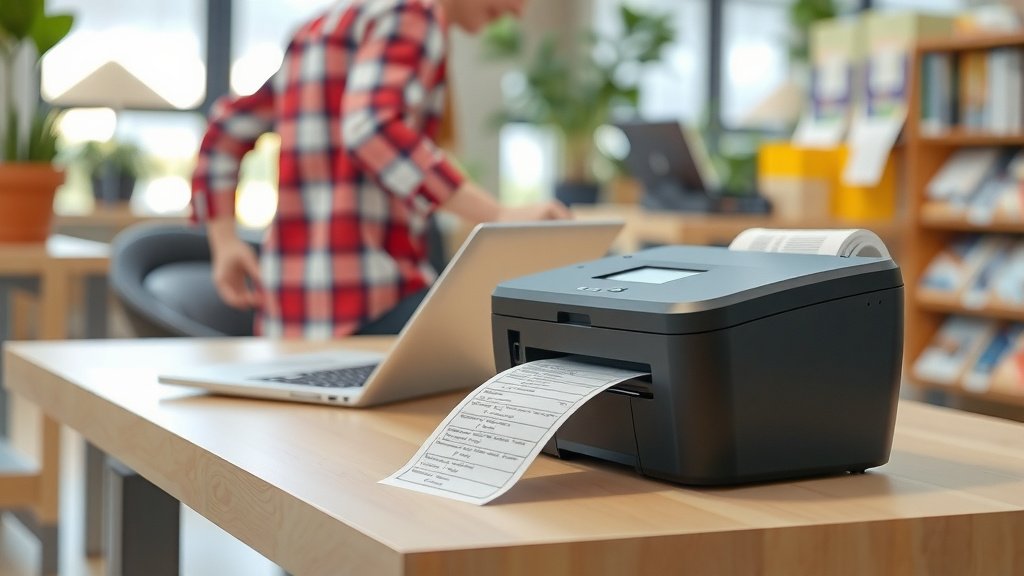
While you might most commonly associate thermal printers with retail receipts, their uses extend far beyond that. They are incredibly versatile and can be used for a wide range of printing needs:
- Labels: From product labels and price tags to shipping labels and barcode labels, thermal printers excel at producing clear, scannable labels.
- Tickets: Event tickets, parking stubs, and boarding passes are often printed on thermal paper.
- Wristbands: In healthcare or at events, durable thermal wristbands are used for identification.
- Citations: Law enforcement and parking attendants frequently use thermal printers for tickets.
The ability to print various types of labels and documents on demand makes them indispensable for many industries. We found that businesses in logistics, healthcare, hospitality, and manufacturing all rely heavily on these printers.
How They Compare: Thermal vs. Ink Printers
To really see the advantages, let’s do a quick comparison. It helps to put things into perspective:
| Feature | Thermal Printer | Ink/Toner Printer |
|---|---|---|
| Printing Method | Heat-sensitive paper | Ink cartridges or toner |
| Speed | Very Fast | Moderate to Slow |
| Noise Level | Very Quiet | Can be Noisy |
| Ink/Toner Costs | None (uses special paper) | High recurring costs |
| Maintenance | Minimal (occasional cleaning) | Regular maintenance, potential clogs |
| Print Longevity | Good for receipts; consider transfer for extreme durability | Generally good, but can smudge if wet |
| Initial Cost | Varies, often competitive | Varies widely |
As you can see, for many common business needs, thermal printers offer distinct advantages. The lower ongoing costs and minimal maintenance are huge draws.
Key Takeaways for Your Business
If you’re looking to streamline your printing operations and cut down on expenses, thermal printers are definitely worth considering. Here’s a quick checklist of what makes them a great choice:
- Faster printing for busy environments.
- Quieter operation for a better atmosphere.
- No ink or toner costs, saving you money.
- Less mess and hassle.
- Reliable performance with minimal maintenance.
- Clear, sharp prints for all your needs.
We found that these benefits add up to real improvements in business efficiency and profitability. Many organizations that have integrated thermal printing into their workflow report a noticeable difference.
Conclusion
You’ve seen how thermal printers can truly transform your business operations. They offer a compelling blend of speed, quietness, and cost-effectiveness that traditional printers often can’t match. By eliminating ink and toner, you cut down on both mess and recurring expenses. Their reliability and low maintenance mean less downtime and more focus on serving your customers. If you’re looking to boost efficiency and save money, it’s time to seriously consider making the switch to thermal printing for your labeling and receipt needs. Start researching models that fit your specific business volume today!
Frequently Asked Questions
How long do thermal prints typically last?
For everyday uses like receipts, thermal prints are perfectly durable and readable for months. Direct thermal prints can fade if exposed to heat or strong light over long periods. If you need prints that must last for years in harsh conditions, consider a thermal transfer printer that uses a ribbon for more permanent results.
Are thermal printers really cheaper in the long run?
Yes, for many businesses, thermal printers prove more cost-effective over time. The initial printer cost can be competitive, and you completely avoid the ongoing expense of ink or toner cartridges. While you need special thermal paper, its cost is generally lower than ink, making your overall printing budget much more manageable.
Can I print in color with a thermal printer?
Most common thermal printers, like those used for receipts and basic labels, do not print in color. They create images using heat on special paper or a ribbon, which typically results in black or dark monochrome output. Some specialized thermal transfer printers can use colored ribbons, but full-color printing is not a standard feature.
What kind of maintenance do thermal printers require?
Thermal printers are celebrated for their minimal maintenance needs. Since there are no ink cartridges or complex moving parts like print heads, there’s less to go wrong. You generally only need to occasionally clean the print head with a specialized wipe to ensure crisp, clear prints and optimal performance.
Are thermal printers eco-friendly?
Thermal printers can be considered more eco-friendly in certain ways. They eliminate the waste associated with discarded ink or toner cartridges, which can be difficult to recycle. However, the special thermal paper often cannot be recycled with regular paper and may contain chemicals that require specific disposal methods, so it’s good to check local recycling guidelines.