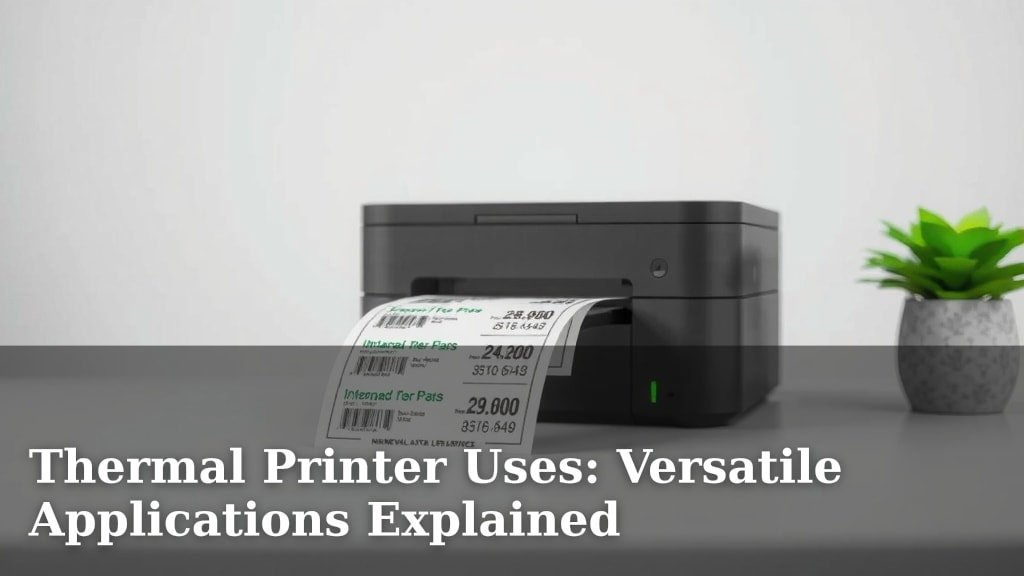
Thermal Printer Uses: Versatile Applications Explained
Thermal printers are used for a wide range of applications, from printing receipts for your morning coffee to shipping labels for online orders. They create printouts by heating a special kind of paper, making them fast and quiet. You’ll find them in retail, logistics, healthcare, and even for creating custom labels around your home.
Beyond just basic printing, thermal technology offers convenience and efficiency for many businesses. Its ability to produce clear, durable prints without ink or toner means less mess and lower running costs. This makes them a popular choice for situations where speed and reliability are key, like at a busy checkout counter or in a fast-moving warehouse environment.
- Printing customer receipts and transaction slips.
- Generating shipping and mailing labels for packages.
- Creating wristbands for events and patient identification in hospitals.
- Producing tickets for events, travel, and parking.
- Making durable labels for product identification and organization.
Ready to see just how versatile these handy machines really are? Let’s dive into the many ways you can put thermal printers to work for you.
Where You’ll Find Thermal Printers Working Hard
Thermal printers are the unsung heroes of many daily transactions and operations. You might not always see them, but they’re constantly at work. We found that these printers are incredibly popular across many industries. Their speed, quiet operation, and reliability make them a top choice. Let’s see where they pop up most often.
Retail: From Coffee Shops to Department Stores
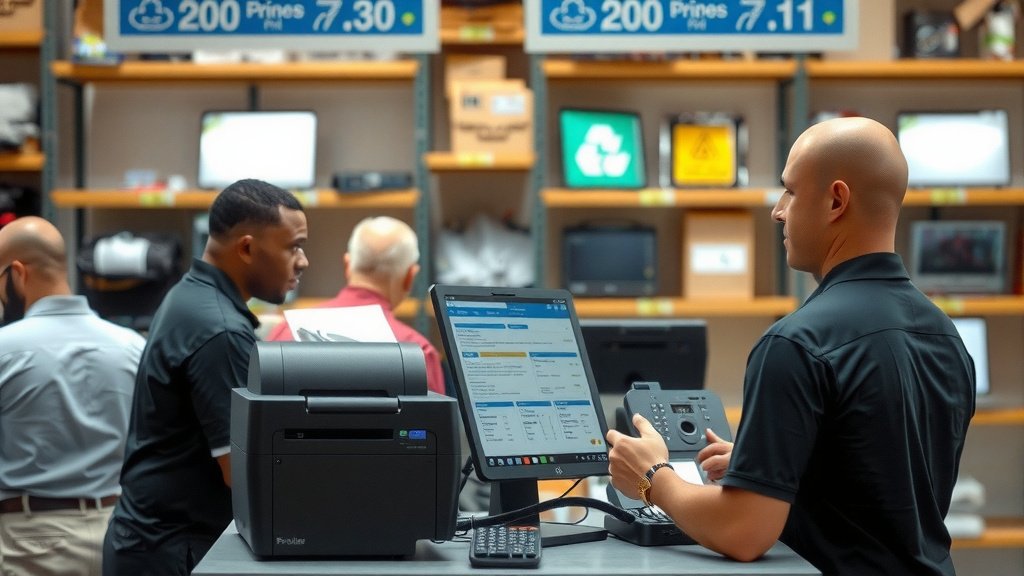
When you buy something, chances are a thermal printer made your receipt. This is probably the most common use you’ll encounter. Think about your last trip to the grocery store or a clothing boutique. That little slip of paper detailing your purchase? That’s a thermal printer at work.
They are super quick at the point of sale. This means shorter lines and happier customers. Plus, they don’t use ink cartridges that can run dry at the worst possible moment. You just load a new roll of paper, and you’re good to go.
Point of Sale (POS) Receipts
These printers generate transaction records for every sale. They provide proof of purchase for customers. They also help businesses with inventory management and tracking sales data. Many POS systems are designed to work seamlessly with thermal printers.
Kitchen Order Tickets
In busy restaurants, thermal printers are often used in the kitchen. They print orders for chefs as customers place them. This ensures accuracy and speed in food preparation. No more scribbled notes getting lost or smudged!
Logistics and Shipping: Getting Packages on Their Way
If you’ve ever ordered something online, you’ve interacted with thermal shipping labels. These labels are essential for the entire shipping process. They help track packages from the warehouse to your doorstep.
The durability of thermal prints is a big plus here. Labels need to withstand varying conditions during transit. They must remain scannable, even if they get a little wet or scratched. Thermal labels are designed to do just that.
Shipping Labels
These are the backbone of e-commerce shipping. They contain all the necessary information: addresses, tracking numbers, and barcodes. The clear, crisp print ensures accurate scanning by automated sorting systems. This reduces errors and speeds up delivery times.
Warehouse Organization
Inside warehouses, thermal printers help keep everything in order. They print labels for shelves, bins, and individual products. This makes it easy for staff to locate items quickly. Good organization means faster order fulfillment.
Healthcare: Ensuring Patient Safety and Efficiency
In hospitals and clinics, accuracy and speed are critical. Thermal printers play a vital role in patient care. They help manage patient information and track important medical supplies. We found that reliability is key in these environments.
Patient Identification Wristbands
Hospitals use thermal printers to create patient ID wristbands. These bands contain essential patient information, like name, date of birth, and medical record number. They are often made of durable, water-resistant material. This helps prevent errors during treatment and medication administration.
Pharmacy Labels
When you pick up a prescription, the bottle likely has a thermal label. These labels list the medication name, dosage, patient name, and doctor’s instructions. Clear, accurate labeling is crucial for patient safety. Many studies highlight the importance of proper medication labeling (CDC).
Specimen Labels
Lab samples, like blood or tissue, need clear identification. Thermal printers create labels for these specimens. The labels must remain attached and legible throughout testing. This ensures that results are matched to the correct patient.
Transportation and Ticketing: On the Go with Thermal Prints
From getting to your destination to attending an event, thermal printers are involved. They handle everything from boarding passes to event tickets. Speed is often a priority in these situations.
Event and Concert Tickets
Need to get into a show? Your ticket was likely printed on a thermal printer. These printers can quickly produce tickets for entry. They often include barcodes for easy scanning at the venue. This helps manage crowds efficiently.
Boarding Passes and Travel Documents
When you fly, your boarding pass might be printed at home or at the airport. Many airports use thermal printers for these. They provide a quick and reliable way to get passengers through check-in and security. Airlines often partner with thermal printer manufacturers for specific designs and durability needs.
Parking Tickets and Permits
Parking garages and event lots use thermal printers for tickets. These tickets record your entry time. You might also get a temporary parking permit printed thermally. This system helps manage vehicle flow and payment.
Manufacturing and Inventory Management: Staying Organized
In industrial settings, thermal printers are essential for keeping track of goods. They help label products, components, and finished items. This is vital for efficient production and inventory control.
Product Identification Labels
Many manufactured goods need labels for identification and tracking. Thermal printers can produce these labels on demand. They can include serial numbers, manufacturing dates, and barcodes. This supports quality control and traceability.
Asset Tagging
Businesses use thermal printers to create asset tags for equipment. These tags help track valuable items like computers, tools, and machinery. This makes it easier to manage inventory and prevent loss. Research indicates that proper asset tracking can reduce inventory costs significantly (National Association of Inventory Management).
Other Everyday Uses: Beyond the Business World
Thermal printers aren’t just for big companies. You can find them used in smaller settings, too. They offer convenience for various personal or small business needs.
Labeling Around the Home
For home organization, thermal label makers are fantastic. You can print labels for food containers in your pantry. They are great for organizing craft supplies or your garage. They add a touch of order to everyday life. Many people find these small printers help reduce clutter.
Small Business Operations
Small businesses, like craft sellers or home-based service providers, use them. They print custom product labels or shipping labels. It’s an affordable way to professionalize their packaging. They appreciate the low running costs compared to inkjet printers.
Durable Signage and Information
In some situations, thermal printers are used for creating durable, short-term signage. Think about event maps or temporary instructions. The print is resistant to fading and smudging, making it suitable for areas with moderate wear and tear.
| Application Area | Primary Thermal Printer Use | Key Benefit |
|---|---|---|
| Retail | Receipts, Kitchen Orders | Speed, Reduced Errors |
| Logistics | Shipping Labels, Warehouse Labels | Durability, Scanability |
| Healthcare | Wristbands, Pharmacy Labels | Patient Safety, Accuracy |
| Events | Tickets, Passes | Fast Throughput |
| Manufacturing | Product Labels, Asset Tags | Traceability, Organization |
Why Are They So Popular? Let’s Sum It Up
So, what makes thermal printers so widely adopted? It boils down to a few key factors we consistently see:
- Speed: They print incredibly fast, boosting efficiency.
- Quiet Operation: They are much quieter than impact printers.
- No Ink/Toner: This means lower running costs and less mess.
- Durability: Prints are often resistant to smudging and fading.
- Reliability: Fewer moving parts mean fewer breakdowns.
Putting a Thermal Printer to Work for You: A Checklist
Considering a thermal printer? Here’s a quick checklist of things to think about:
- Identify the primary purpose (receipts, labels, tickets?).
- Determine the volume of printing you expect.
- Consider the size and type of media needed.
- Check for connectivity options (USB, Wi-Fi, Bluetooth).
- Factor in the cost of supplies (thermal paper rolls or labels).
- Think about ease of use and maintenance.
Conclusion
You’ve seen how thermal printers are far more than just receipt machines. They power retail checkouts, speed up warehouse operations, and ensure patient safety in hospitals. From shipping packages to ticketing events, their speed, quietness, and cost-effectiveness make them essential. You can put this technology to work by identifying your specific printing needs and exploring compatible models. Start by listing what you need to print most often and how many prints you’ll make daily. This will guide you to the perfect thermal printer for your situation.
Frequently Asked Questions
Can thermal printers print in color?
No, standard thermal printers are designed to print in black and white or monochrome only. They work by heating specific spots on thermal paper. This process creates dark marks on the paper. Color printing requires different technologies, like inkjet or laser.
How long do thermal prints last?
The lifespan of thermal prints depends on the type of paper used and environmental factors. Direct thermal prints, common for receipts, can fade over time, especially with exposure to heat or sunlight. Some specialized thermal papers offer longer durability, lasting for years.
Are thermal printers expensive to operate?
Generally, thermal printers have low operating costs. They don’t use ink or toner, which are recurring expenses for other printer types. Your main supply cost will be the thermal paper rolls or labels themselves. This makes them quite economical for high-volume printing.
What is the difference between direct thermal and thermal transfer printing?
Direct thermal printing uses heat to activate a chemical reaction on heat-sensitive paper, printing directly onto it. Thermal transfer printing uses a heated ribbon to melt ink onto a label material. Thermal transfer prints are more durable and fade-resistant, often used for barcodes and outdoor labels.
Can I use regular paper with a thermal printer?
No, you cannot use regular paper with a thermal printer. Thermal printers require special heat-sensitive paper or specific thermal transfer labels. Regular paper will not react to the heat from the printer’s print head, so no image will be produced.