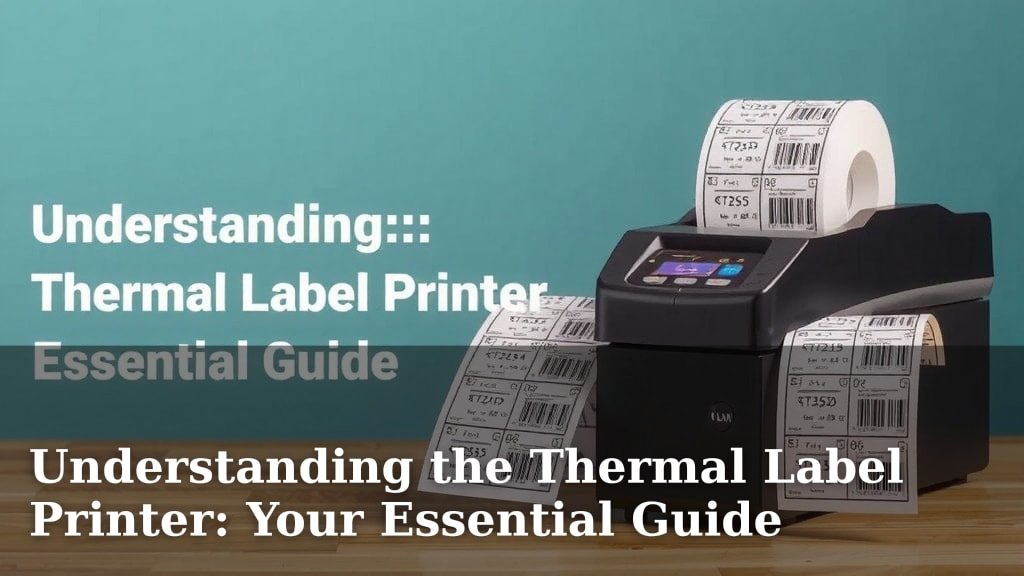
Understanding the Thermal Label Printer: Your Essential Guide
A thermal label printer is a device that uses heat to print labels. It’s a fast and efficient way to create shipping labels, barcodes, and other types of stickers without needing ink. You’ll find them super handy for businesses and even for organizing your home.
Unlike traditional printers that use ink or toner, thermal printers rely on special heat-sensitive paper. When heat is applied, it creates the dark marks you see on your labels. This makes them great for places that need quick label creation and reduced running costs.
- Thermal printers use heat, not ink.
- They are great for shipping and barcode labels.
- They are known for speed and lower operating costs.
- Direct thermal and thermal transfer are the two main types.
Let’s dive into what makes these printers tick and how they can make your labeling tasks a breeze!
So, you’ve heard about thermal label printers, but what exactly are they and how do they work their magic? Think of them as special printers that use a clever trick with heat to put images and text onto labels. They’re a bit like a magic wand for anyone who needs to label things quickly and without a mess.
Understanding Thermal Label Printing Technology
These printers are designed for efficiency. They skip the ink and toner that traditional printers use. Instead, they rely on a special kind of paper that changes color when it gets warm. This heat-sensitive paper is the key to how thermal printers work. They are a popular choice for businesses that need to print a lot of labels.
How the Heat Creates Your Labels
Inside a thermal label printer, there’s a print head. This print head is made up of tiny heating elements. When you send a design or text to the printer, these heating elements get hot. They warm up specific spots on the special label paper. This heat causes the paper to turn black where it’s heated. It’s a really straightforward process. You get clear, dark marks where the heat touches the paper.
This method is fantastic because it means fewer moving parts compared to ink-based printers. There are no ink cartridges to buy or replace. You don’t have to worry about ink smudging or drying out. The process is clean and direct. It’s like drawing with a heated pencil, but much faster and more precise.
The Two Main Flavors of Thermal Printing
Did you know there isn’t just one way to do thermal printing? We found that there are two main types: direct thermal and thermal transfer. Each has its own strengths and is better suited for different jobs. Understanding these differences will help you pick the right one for your needs.
Direct Thermal Printing: The Simpler Approach
Direct thermal printers are the most common type for everyday label printing. They use a special kind of paper called direct thermal paper. This paper has a heat-sensitive coating. When the heated print head touches the paper, it causes a chemical reaction. This reaction turns the coated areas black. It’s like magic happening right before your eyes!
The beauty of direct thermal is its simplicity. There are no ribbons or ink involved. You just load the special paper, and you’re ready to go. This makes it incredibly easy to use and maintain. Think of it like a stamp that can print any image you want, instantly.
However, there’s a small trade-off. Labels printed with direct thermal can fade over time, especially if exposed to heat, sunlight, or certain chemicals. We found that many experts recommend this method for short-term use. This includes things like shipping labels that will be used quickly or price tags that get updated often.
Thermal Transfer Printing: For Durability
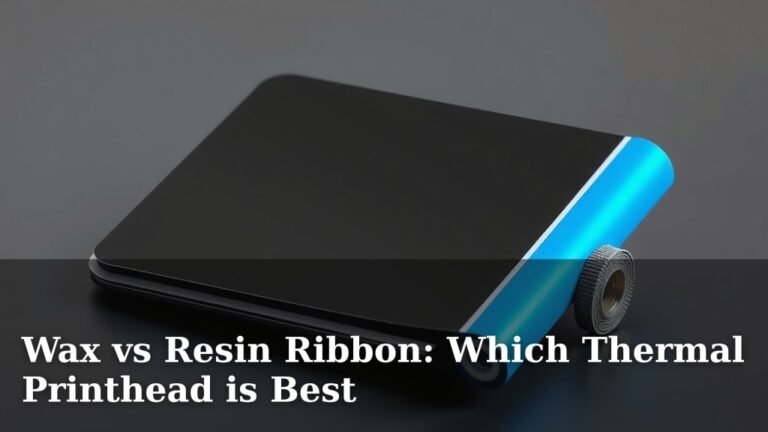
Thermal transfer printers work a bit differently. They use a thermal ribbon, which is like a dry ink film. This ribbon sits between the print head and the label material. When the print head heats up, it transfers the ink from the ribbon onto the label. The result is a very crisp and permanent image.
The big advantage here is durability. Thermal transfer labels are much more resistant to fading, abrasion, and environmental factors. This makes them ideal for long-term storage, outdoor use, or harsh conditions. Think about product identification labels on machinery or asset tags that need to last for years. Many guidelines suggest this for critical labeling applications (National Archives and Records Administration).
The downside? You need to buy both the special labels and the thermal ribbons. You also have to make sure the ribbon is loaded correctly. It’s a bit more involved than direct thermal, but the long-lasting results are often worth it.
Key Advantages of Using Thermal Label Printers
Why are so many people choosing thermal printers over traditional ones? We looked into it, and the benefits are pretty compelling. They offer speed, efficiency, and cost savings that are hard to beat for many labeling tasks.
Unmatched Speed and Efficiency
Thermal printers are incredibly fast. They can print labels in a matter of seconds. This is a huge advantage when you have a lot of labels to produce. Imagine a busy e-commerce warehouse during the holiday season. Speed is absolutely critical. Thermal printers can keep up with high demand without breaking a sweat. They don’t need to warm up like some older printers, either.
Reduced Operating Costs
While the initial cost of a thermal printer might be comparable to some inkjet printers, the running costs are often much lower. This is mainly because they don’t use expensive ink or toner cartridges. You only need to buy the thermal labels and, in the case of thermal transfer, the ribbons. Over time, this can lead to significant savings. Many small business owners we spoke with highlighted this as a major plus.
High-Quality and Crisp Prints
The print quality from thermal printers is consistently sharp and clear. This is especially important for barcodes and small text. If a barcode isn’t printed clearly, scanners can’t read it. This can cause major problems in inventory management or at the point of sale. Thermal printers deliver the precision needed for reliable scanning.
Simple to Operate and Maintain
With fewer parts and no ink to worry about, thermal printers are generally very easy to use. Loading labels is usually straightforward. Maintenance is minimal, often just requiring occasional cleaning of the print head. This means less downtime and less hassle for you. It’s a plug-and-play experience for many users.
What Can You Print with a Thermal Label Printer?
The versatility of thermal printers means they’re used in countless applications. You might be surprised at how many different things they can help you with!
Shipping and Mailing Labels
This is perhaps the most common use. Businesses of all sizes rely on thermal printers to create shipping labels for packages. They produce clear, scannable labels that meet the requirements of carriers like UPS, FedEx, and the USPS. It makes the shipping process much smoother.
Barcode Labels for Inventory and Retail
In retail and warehousing, accurate inventory management is key. Thermal printers create durable barcode labels that can be easily scanned. This helps track products from the moment they arrive until they are sold. It reduces errors and improves efficiency. We found that clear barcodes are essential for smooth operations (GS1 US).
Product Identification and Branding
Many manufacturers use thermal transfer printers to create product labels. These labels can include company logos, ingredients, serial numbers, and other crucial information. Because thermal transfer prints are durable, they hold up well on products.
Name Badges and Event Passes
For conferences, trade shows, and corporate events, thermal printers can quickly produce name badges and event passes. This is especially helpful for last-minute registrations or for printing batches of badges on-site.
Organization and Home Use
Don’t think thermal printers are just for businesses! Many people use them at home to organize their pantry, storage bins, or craft supplies. Creating clear, custom labels makes it easy to find what you need. It’s a neat and tidy solution for home organization.
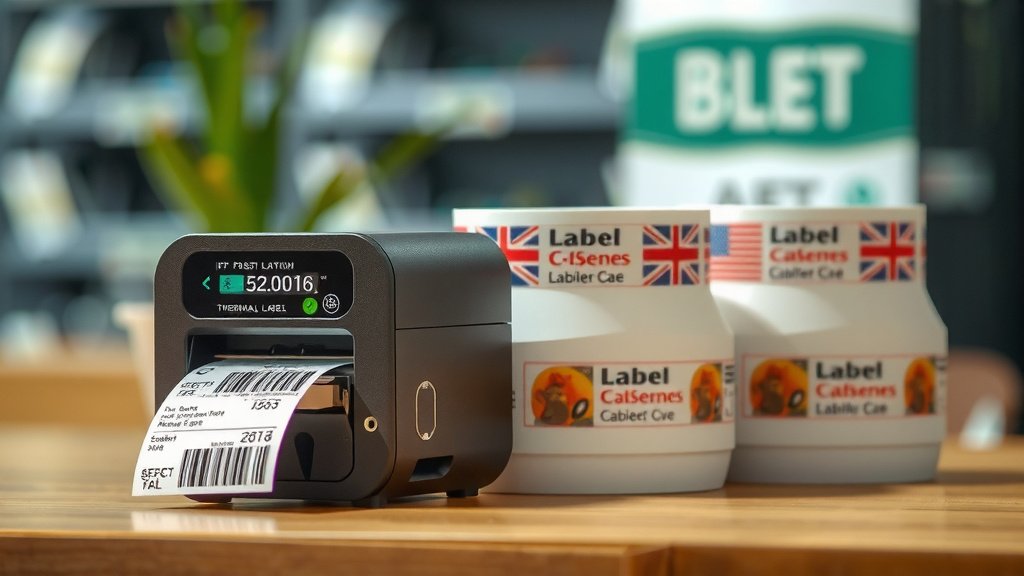
Choosing the Right Thermal Printer for Your Needs
With different types and models available, how do you pick the best one? Consider these points:
- Direct Thermal vs. Thermal Transfer: As we discussed, decide if you need durable, long-lasting labels (transfer) or simpler, faster labels for short-term use (direct).
- Print Width: How wide do your labels need to be? Printers come with different maximum print widths.
- Print Speed: How many labels do you need to print per day? Faster speeds mean less waiting.
- Connectivity: How will you connect it? USB, Ethernet, or Wi-Fi are common options.
- Resolution: Higher resolution (DPI) means sharper text and images, especially for small print and detailed barcodes.
By thinking about your specific tasks, you can find a thermal label printer that fits your workflow perfectly. They are truly versatile tools!
Conclusion
You now have a clear picture of what a thermal label printer is and how it can streamline your tasks. We’ve seen how they use heat, not ink, for fast, crisp labels. Whether you need the simplicity of direct thermal for shipping or the durability of thermal transfer for asset tracking, there’s a solution for you. They cut down on operating costs and reduce hassle, making them a smart choice for businesses and home organizers alike. Your next step? Consider your specific labeling needs to choose the perfect thermal printer to boost your efficiency.
Frequently Asked Questions
Do thermal label printers need ink?
No, thermal label printers do not use ink. They work by applying heat to special heat-sensitive paper or by transferring ink from a ribbon onto the label. This is why they are often called “inkless” printers.
What is the difference between direct thermal and thermal transfer printing?
Direct thermal printing uses heat-sensitive paper that turns black when heated, making it simple but less durable. Thermal transfer printing uses a heated ribbon to transfer ink onto label material, creating more durable and long-lasting prints.
Can I print barcodes with a thermal label printer?
Yes, you absolutely can. Thermal printers produce very crisp and clear images, which is essential for scannable barcodes. This ensures accuracy in inventory management and retail environments.
How long do thermal labels last?
The lifespan of thermal labels depends on the type. Direct thermal labels are best for short-term use as they can fade from heat or light. Thermal transfer labels are much more durable and can last for years, resisting fading and abrasion.
Are thermal label printers expensive to run?
Generally, thermal label printers have lower running costs. You avoid the recurring expense of ink or toner cartridges. Your main consumables are the special labels themselves and, for thermal transfer, the ribbons.