Thermal Transfer Labels: What They Are & How They Work
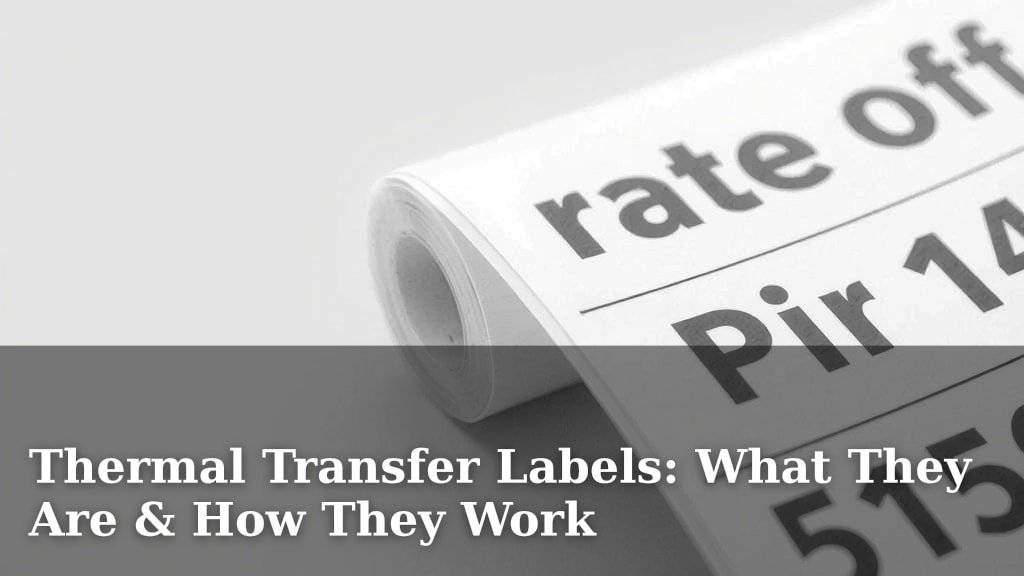
Thermal transfer labels are a special type of label that uses heat to transfer ink from a ribbon onto the label material. This process creates durable, long-lasting prints that resist fading and smudging. They are ideal for applications needing clear, permanent identification.
When you need labels that can stand up to tough conditions, thermal transfer printing is often the best choice. It’s widely used for barcodes, product information, and industrial labeling because the prints are so robust. You’ll find them on everything from food packaging to electronic components, ensuring information stays readable.
- Thermal transfer uses heat to print ink from a ribbon.
- Prints are very durable and resist fading or smudging.
- Great for barcodes, product IDs, and industrial use.
- You’ll see them on many everyday products.
- A great option for long-term label needs.
Let’s walk through exactly how thermal transfer labels work and why they might be the perfect solution for your needs.
Understanding How Thermal Transfer Printing Works
Thermal transfer printing might sound a little technical, but it’s actually quite straightforward. It’s a method that uses a special printhead to melt ink from a ribbon onto a label material. Think of it like a tiny, high-tech hot stamp. This creates a print that’s bonded directly to the label, making it very resistant to wear and tear.
The Core Components of the Process
To understand thermal transfer, you need to know its three main players. These are the thermal printer, the thermal ribbon, and the label material itself. Each one plays a vital role in creating those durable prints you need. When they work together, they produce clear, long-lasting images and text.
1. The Thermal Printer
This is the machine doing the work. Inside, there’s a printhead made of tiny, heated dots. These dots are controlled precisely to melt the ink from the ribbon. The printer then moves the ribbon and label past these heated dots. The heat is the key element here, transferring the ink effectively.
2. The Thermal Ribbon
This is where the ink comes from. Thermal ribbons are made of a thin film coated with dry ink. This ink can be wax, resin, or a blend of both. The ribbon is loaded into the printer, usually parallel to the label roll. As the printhead heats up, it touches the ribbon and melts the ink, transferring it onto the label.
3. The Label Material
Not all labels work with thermal transfer. The label material, often called the “substrate,” needs to be able to accept the melted ink. Common materials include paper (coated or uncoated), polyester, and polypropylene. The surface of the label needs to be smooth enough for good ink adhesion. Some materials are specifically designed for thermal transfer printing.
The Thermal Transfer Printing Mechanism in Action
So, how do these parts actually come together to make a label? It’s a controlled chemical reaction driven by heat. The printhead’s tiny elements heat up to specific temperatures. This heat melts the ink layer on the thermal ribbon directly above each heated element. The label material is then pressed firmly against this melted ink.
As the ribbon moves away, the ink cools and solidifies. It essentially becomes part of the label surface. This creates a print that is very resistant to fading from light and smudging from touch or chemicals. It’s a far cry from inkjet or laser printing, which apply ink or toner differently. Many industry standards require this level of durability for asset tracking and product identification.
Understanding the Printing Sequence
Imagine the printhead as a row of tiny, controllable light bulbs. When a character or barcode needs to be printed, the printer tells specific “bulbs” to heat up. These hot spots then touch the ribbon. The ink melts and transfers to the label in the exact pattern needed. The label and ribbon then advance, and the process repeats for the next section of the label.
Heat, Melt, Transfer: The Simple Cycle
The entire process is remarkably fast. The heat applied is just enough to melt the ink, not to damage the label material. This careful balance ensures a crisp, clear image. The ink adheres strongly because it’s essentially fused with the label surface. This is why thermal transfer prints are so long-lasting and resilient.
Why Thermal Transfer Stands Out
What makes this method so popular for certain applications? It boils down to the quality and durability of the final print. Unlike direct thermal printing, which uses heat-sensitive paper that can fade over time, thermal transfer uses a ribbon to create a permanent mark. This means your labels will remain readable even in harsh environments or after prolonged storage.
Durability is Key
Research consistently shows thermal transfer prints are superior for longevity. They resist UV light exposure, abrasion, and many common chemicals. This makes them ideal for outdoor use, product packaging that’s handled frequently, and industrial settings where labels might get bumped or exposed to substances. Think about inventory tags in a warehouse or warning labels on machinery – they need to last.
Print Quality and Clarity
The melting process allows for very fine detail. This is critical for printing small barcodes or tiny text. High-resolution prints mean scanners can read barcodes accurately, reducing errors in inventory management and point-of-sale systems. Many regulatory bodies require clear, scannable barcodes for compliance reasons.
Types of Ribbons and Labels: A Closer Look
The choice of ribbon and label material has a big impact on the final print’s performance. We found that selecting the right combination is crucial for achieving the desired durability and cost-effectiveness. There are three main types of thermal ribbons, each with its own strengths:
| Ribbon Type | Composition | Best For | Pros | Cons |
|---|---|---|---|---|
| Wax | Wax-based ink | Paper labels, general-purpose | Cost-effective, good for basic printing | Less durable, can smudge easily, not for harsh environments |
| Wax/Resin Blend | Mix of wax and resin | Coated paper, synthetic labels, moderate durability needs | Better smudge and scratch resistance than pure wax | Slightly higher cost than wax |
| Resin | Resin-based ink | Synthetic labels (polyester, polypropylene), extreme durability needs | Excellent resistance to abrasion, chemicals, and extreme temperatures | Most expensive, requires specific label materials |
Matching Ribbons to Label Materials
It’s not just about the ribbon; the label material matters too! You generally can’t print resin ink on plain paper and expect it to stick. For best results, consider these pairings:
- Wax ribbons work well with uncoated or standard coated paper labels.
- Wax/resin ribbons are a good choice for coated paper and some matte synthetic labels.
- Resin ribbons are essential for smooth, durable synthetic materials like polyester, vinyl, and polyimide.
We found that using a resin ribbon on a paper label often leads to poor print quality and is a waste of resources. The ink just doesn’t adhere properly. Always ensure your label substrate is compatible with your chosen ribbon type.
Where You’ll Find Thermal Transfer Labels in Use
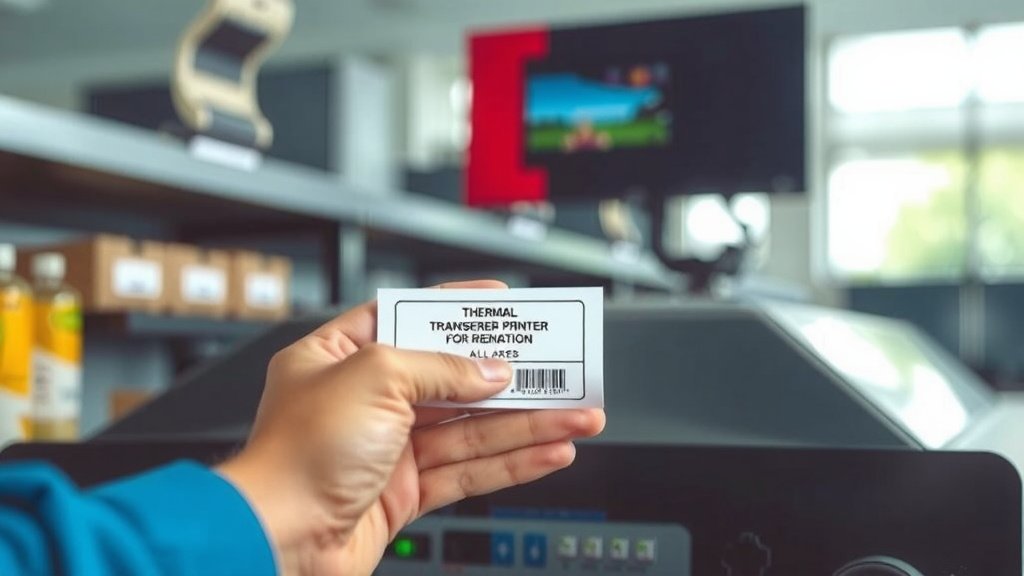
These labels are everywhere, even if you don’t always notice them! Their durability makes them perfect for applications where information needs to be clear and permanent. You’re likely interacting with them daily without thinking about it. Think of them as the silent guardians of product information and identification.
Key Industries Relying on Thermal Transfer
Many sectors count on thermal transfer for reliable labeling. Here’s a peek at some common areas:
- Retail: Product identification, price tags, shelf labels, inventory management.
- Manufacturing: Component labeling, tracking parts, warning labels, assembly instructions.
- Logistics & Warehousing: Shipping labels, package tracking, inventory control, asset tags.
- Healthcare: Specimen labeling, patient identification, medical device tracking.
- Food & Beverage: Product dating, ingredient lists, compliance labeling, packaging.
- Electronics: Serial number labels, compliance markings, component identification.
Many experts in these fields point to the **reliability and cost-effectiveness** of thermal transfer for these uses. They can withstand challenging conditions often found in these environments.
Specific Applications to Note
Beyond broad industries, consider these specific examples:
- Barcode Labels: Crisp, scannable barcodes are a hallmark of thermal transfer printing.
- Asset Tracking Tags: Labels on equipment that need to last for years.
- Instructional Labels: Labels on appliances or machinery with small, detailed steps.
- Outdoor Applications: Labels exposed to sunlight, rain, or temperature changes.
When you need labels that truly stand the test of time and various environmental factors, thermal transfer is often the go-to solution. It ensures your critical information remains visible and intact.
Making the Right Choice for Your Needs
So, should thermal transfer printing be your next move? It depends on what you need your labels to do. If you require prints that are highly durable, resistant to fading, and can handle tough conditions, then yes, it’s a fantastic option. It offers a level of longevity that direct thermal printing simply can’t match.
Consider Your Environment and Use Case
Ask yourself a few questions:
- Will the label be exposed to sunlight, moisture, or chemicals?
- Does the label need to last for months, years, or even decades?
- Is crisp, high-resolution printing of small text or barcodes essential?
- Will the label be handled frequently or subjected to abrasion?
If you answered “yes” to any of these, thermal transfer is likely a strong contender. We found that labels used in outdoor settings or industrial environments benefit the most. For simple, short-term indoor use, other methods might suffice, but for lasting quality, thermal transfer shines.
A Checklist for Deciding
To help you decide if thermal transfer is right for you, consider these points:
- Identify your printing needs (barcodes, text, images).
- Assess the environment where labels will be used.
- Determine the required lifespan of the label.
- Choose the correct ribbon type (wax, wax/resin, resin).
- Select compatible label material for your ribbon.
- Ensure your printer can handle thermal transfer ribbons.
By carefully considering these factors, you can confidently select the labeling solution that best meets your requirements and ensures your information is communicated clearly and permanently.
Conclusion
You’ve learned that thermal transfer labels offer exceptional durability and clarity for your printing needs. We found this method excels when prints must withstand harsh conditions, frequent handling, or prolonged exposure to elements. By carefully selecting the right ribbon and label material, you ensure your barcodes and text remain sharp and readable for years. Now, consider your specific application: if longevity and resilience are key, thermal transfer printing is likely your best choice. Take the next step by identifying the ideal ribbon and label combination for your project.
Frequently Asked Questions
How is thermal transfer different from direct thermal printing?
Thermal transfer printing uses a ribbon to melt ink onto the label, creating a durable print. Direct thermal printing, on the other hand, uses heat to activate a chemical on special paper, which can fade over time. For long-lasting labels, thermal transfer is superior.
Can I use any printer for thermal transfer labels?
No, you need a printer specifically designed for thermal transfer printing. These printers have a printhead that heats up and a mechanism to hold and advance a thermal ribbon along with the label material. Standard inkjet or laser printers won’t work.
What happens if I use the wrong ribbon or label material?
Using incompatible materials can lead to poor print quality, such as faint images, smudging, or ink that doesn’t adhere at all. For instance, using a wax ribbon on a synthetic label might not give you the durability you need.
Are thermal transfer labels more expensive than other types?
The initial cost of thermal transfer labels and ribbons can be slightly higher than direct thermal. However, we found that their superior durability and longevity often make them more cost-effective in the long run, especially for applications requiring robust identification.
How do I know if my label needs to be resin or wax/resin?
We recommend resin ribbons for applications requiring extreme resistance to chemicals, abrasion, and high temperatures, typically on synthetic labels. Wax/resin blends offer good durability for coated papers and some synthetics, striking a balance between cost and performance for moderate needs.