Understanding Direct Thermal Labels: A Quick Guide
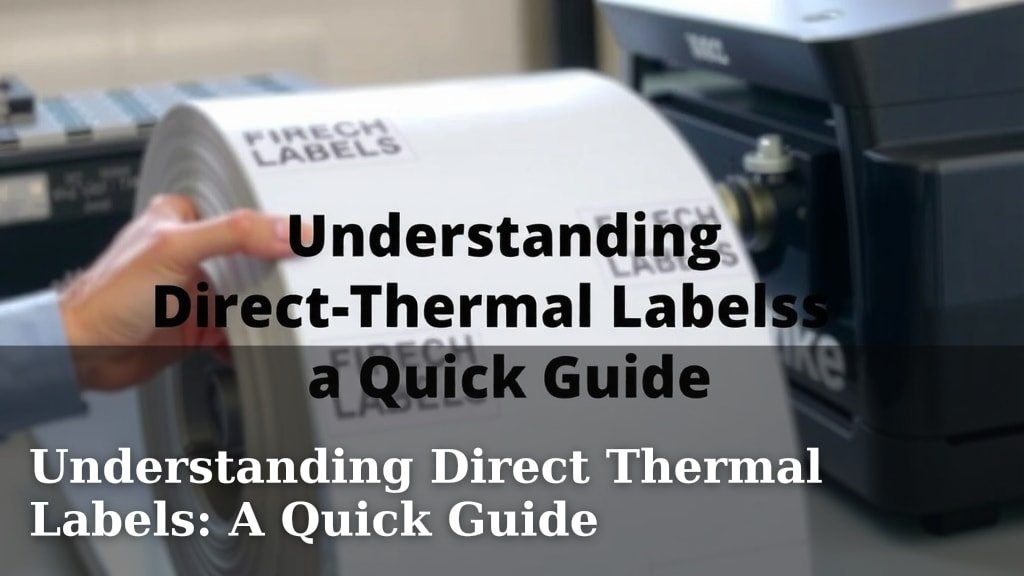
Direct thermal labels are a special type of label that use heat to print. You don’t need any ink or toner cartridges. This makes them super convenient for everyday tasks like shipping and retail. They are a popular choice because they are easy to use and cost-effective for many businesses.
These labels work with a special direct thermal printer. The printer head heats up. This heat creates the images and text on the label’s surface. It’s a clever process that makes printing quick. You’ll find them used for everything from barcodes to address labels. Many people find them a reliable printing solution.
- Direct thermal labels use heat, not ink.
- No toner or ink cartridges are needed.
- They print quickly and are easy to manage.
- Ideal for shipping, retail, and barcodes.
- Requires a compatible direct thermal printer.
Below, we’ll explain exactly how direct thermal labels work and what you should know before using them.
Understanding How Direct Thermal Labels Work
You’re probably wondering how those special labels get their print without any ink. It’s all thanks to a clever process called direct thermal printing. We’ve found that it’s a surprisingly simple yet effective technology.
The Magic Behind the Print: Heat-Sensitive Paper
The secret ingredient is the label material itself. Direct thermal labels are coated with a special thermosensitive ink. This ink is usually black. It’s a chemical compound that changes color when it gets hot. Think of it like a mood ring, but for printing!
What Happens When Heat is Applied?
When you send a document to a direct thermal printer, the printer’s heating element goes to work. This element, called a printhead, has tiny pins. These pins heat up specific spots on the label. When the thermosensitive coating on the label touches these hot spots, it turns black. This creates the text, images, or barcodes you see on the label. It’s a bit like using a hot pen to draw on special paper.
No Ink, No Toner, No Mess
This is where the main benefit comes in. Because the label material itself contains the “ink,” you never need to buy toner or ink cartridges. This saves you money and hassle. Many small businesses we’ve spoken with appreciate not having to keep track of ink levels. It makes the whole printing process much simpler and more cost-effective.
The Direct Thermal Printer: Your Printing Partner
You can’t use these labels with just any printer. You need a printer specifically designed for direct thermal printing. These printers have that special heated printhead we talked about. They are built to deliver precise heat to activate the label’s coating.
What to Look for in a Direct Thermal Printer
When choosing a printer, consider its resolution (measured in dots per inch, or DPI). Higher DPI means sharper images and text. Also, think about the printing speed and the maximum width of the labels it can handle. Compatibility with your existing software is also key.
Types of Direct Thermal Labels and Their Uses
Direct thermal labels come in many shapes and sizes. Their versatility makes them a go-to for various applications. We’ve seen them used everywhere from tiny product tags to large shipping labels.
Shipping Labels: The Most Common Use
This is likely what you think of first. Online sellers and shipping companies rely heavily on direct thermal labels. They are perfect for printing shipping addresses, tracking barcodes, and other necessary information. Their durability is usually sufficient for a single shipment.
Retail and Inventory Management
In retail stores, direct thermal labels are great for price tags, product identification, and shelf labels. They are also used for inventory tracking. You can quickly print labels for new stock. Many experts say this helps keep inventory accurate and up-to-date (National Retail Federation).
Barcode Printing: A Clear Advantage
Direct thermal printing is excellent for generating clear, scannable barcodes. The sharp black lines printed with heat are easily read by scanners. This is vital for efficient checkout processes and supply chain management. A poorly printed barcode can cause significant delays.
Other Everyday Applications
Beyond shipping and retail, you might find direct thermal labels used for name tags at events, visitor passes, or even simple organization labels around the home or office. If you need a quick, temporary label, this technology often fits the bill.
When to Choose Direct Thermal vs. Other Label Types
While direct thermal labels are fantastic, they aren’t always the best choice for every situation. Understanding their limitations helps you make the right decision. We’ve found that comparing them to other types is often the clearest way to decide.
The Lifespan of Direct Thermal Labels
This is a big one to consider. Direct thermal labels are not meant for the long haul. The thermosensitive coating is susceptible to heat, light, and abrasion. Over time, the print can fade or disappear completely.
Fading Concerns: What to Watch Out For
If a label is exposed to direct sunlight for an extended period, the print will likely fade. Likewise, if something rubs against the label repeatedly, the friction can wear away the dark print. Many guidelines recommend using them for applications where the label won’t be exposed to harsh conditions for more than a few months (Printing Industry Association).
When NOT to Use Direct Thermal Labels
Because of their sensitivity, you should avoid direct thermal labels for:
- Long-term archival needs.
- Labels that will be stored in direct sunlight or extreme heat.
- Items that will be handled or rubbed frequently.
- Outdoor applications where weather exposure is high.
A Quick Comparison: Direct Thermal vs. Thermal Transfer
It’s helpful to see how direct thermal printing stacks up against thermal transfer, its close cousin. They both use heat, but the process differs. This leads to different outcomes in durability and cost.
| Feature | Direct Thermal | Thermal Transfer |
|---|---|---|
| Printing Method | Heat activates thermosensitive coating on the label. | Heat transfers ink from a ribbon onto the label. |
| Consumables Needed | Labels only (no ink or ribbon). | Labels AND ink ribbon. |
| Print Durability | Less durable; prone to fading from heat, light, and friction. | More durable; resistant to fading and abrasion. |
| Cost | Lower initial cost (no ribbon). | Higher initial cost (ribbon adds expense). |
| Best For | Shipping, receipts, short-term retail tags, barcodes. | Product labeling, asset tracking, durable identification, outdoor labels. |
As you can see, direct thermal is often the more budget-friendly option for everyday, short-term needs. Thermal transfer offers greater longevity for more demanding applications.
Getting the Most Out of Your Direct Thermal Labels: A Checklist
To ensure you’re using your direct thermal labels effectively, keep these points in mind:
- Use the right printer: Always use a compatible direct thermal printer.
- Check print quality: Regularly inspect labels for clarity and scannability.
- Store labels properly: Keep unused labels away from heat and light.
- Consider the environment: Avoid extreme temperatures and direct sun exposure for printed labels.
- Understand the lifespan: Use them for applications where print longevity isn’t a top priority.
- Clean your printer: A clean printhead ensures better print quality.
Conclusion
You’ve learned how direct thermal labels use heat-sensitive paper and a special printer to create your prints. They are a fantastic, ink-free solution for quick tasks like shipping and retail. While they’re cost-effective and simple to use, remember their print fades over time. For anything needing long-term durability, consider thermal transfer labels instead. Ready to start printing? Now you know exactly when and how direct thermal labels will best serve your needs!
Frequently Asked Questions
How long do direct thermal labels last?
Direct thermal labels are not designed for long-term use. Their printed images can fade significantly within 6-12 months, especially if exposed to heat, sunlight, or friction. We recommend using them for items that won’t be stored for extended periods or handled roughly.
Can I use direct thermal labels in a regular inkjet or laser printer?
No, you cannot. Direct thermal labels require a specialized direct thermal printer with a heated printhead. Regular printers use ink or toner, which won’t activate the heat-sensitive coating on these labels.
What’s the biggest advantage of using direct thermal labels?
The main advantage is the absence of ink or toner cartridges. This makes them very cost-effective and reduces maintenance needs, as you don’t need to buy or replace ink. They are also quick and easy to set up for everyday printing tasks.
Are direct thermal labels waterproof?
Generally, no. Most direct thermal labels are not waterproof. The heat-activated print is susceptible to moisture, which can cause it to smudge or disappear. If you need water-resistant labels, you should look for specialized direct thermal labels or consider thermal transfer options.
How do I make sure my direct thermal labels scan correctly?
Ensure your printer’s printhead is clean and that the resolution (DPI) is high enough for clear barcodes. Avoid touching the printed area with your fingers, as oils can cause fading. Regularly test scan your printed labels to confirm readability.