Understanding Thermal Ribbon Types: A 2026 Guide
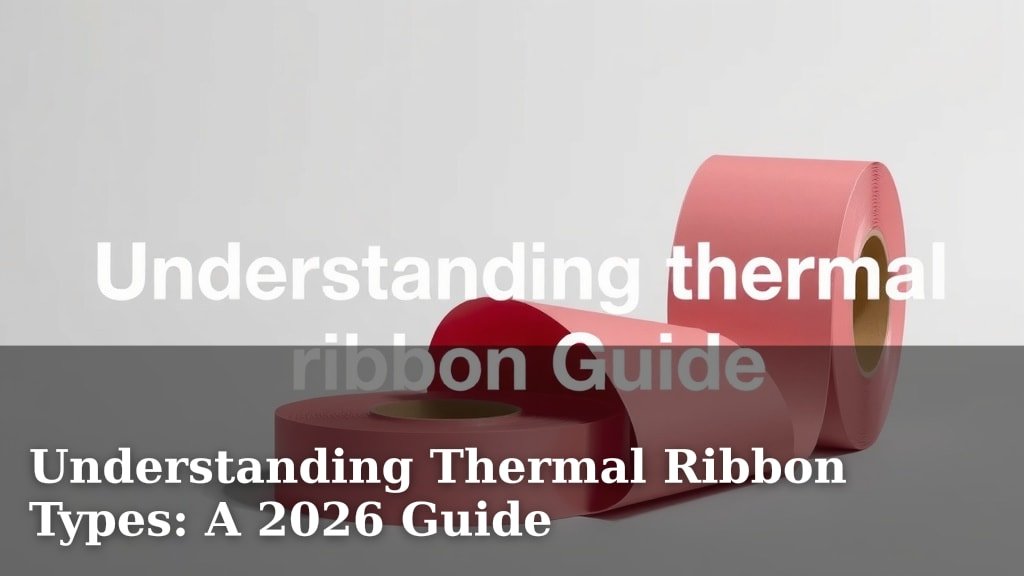
Thermal ribbons are essential for durable, high-quality printing on various materials. You’ll find four main types: wax, wax/resin, resin, and
Choosing the right thermal ribbon impacts your print job’s longevity and legibility. Wax ribbons are best for general use on coated paper, while resin ribbons provide superior resistance to chemicals and extreme temperatures for synthetic materials. Wax/resin offers a balance between the two. Many experts recommend considering your printing environment and the label’s intended lifespan.
- Wax ribbons: Good for coated paper, general use.
- Wax/Resin ribbons: A versatile blend for various needs.
- Resin ribbons: For harsh environments and synthetics.
- Specialty ribbons: Offer unique properties like color.
Ready to find the perfect match for your printer and application? Let’s break down each type to help you make an informed decision.
“`htmlUnderstanding Your Thermal Ribbon Choices
Picking the right thermal ribbon is like choosing the right tool for a job. You wouldn’t use a hammer to screw in a bolt, right? The same goes for printing. The ribbon you select will dramatically affect how your labels look and how long they last. We’ll walk you through the main types so you can make a confident choice.
Think about where your printed items will end up. Will they sit in a cool, dry office? Or will they face the heat, moisture, or rough handling of an industrial setting? Your environment plays a big role. Let’s explore the common options.
Wax Ribbons: The Everyday Workhorse
Wax ribbons are often the go-to for many businesses, and for good reason! They offer a cost-effective solution for everyday printing needs.
What Are Wax Ribbons Best For?
These ribbons are designed for use on coated paper labels. They melt at a lower temperature, which means your thermal transfer printer doesn’t have to work as hard. This also makes them a great choice for printing at higher speeds.
You’ll find wax ribbons are excellent for applications where the labels won’t be subjected to harsh conditions. Think about items that are kept indoors and handled gently. Some common uses include:
- Retail product labeling
- Shipping and receiving labels
- General inventory tags
- Date and batch codes for food products (if not exposed to moisture)
Durability of Wax Ribbons
When we talk about durability, wax ribbons offer a basic level of resistance. They hold up well against scuffing and smudging on coated paper. However, they are not resistant to:
- Moisture
- Heat
- Harsh chemicals
- Abrasion in rough environments
If your labels might get wet or need to withstand frequent touching, wax might not be your best bet. Many guidelines suggest that for labels that need to last, you should consider other types (FDA).
Wax/Resin Ribbons: The Balanced Performer
Looking for something that bridges the gap? Wax/resin ribbons offer a versatile middle ground. They combine the benefits of both wax and resin for improved performance.
When to Choose Wax/Resin
These ribbons are a smart choice when you need more durability than pure wax but don’t require the extreme protection of full resin. They work well on a wider range of materials, including coated papers and some synthetic labels like polyester and polypropylene.
Wax/resin ribbons are ideal for applications that demand a bit more resilience. Consider these uses:
- Apparel tags
- Durable indoor signage
- Medical supply labeling
- High-quality product identification
Performance and Durability
The blend of wax and resin in these ribbons gives you a print that is more scratch and smudge resistant than wax alone. They also offer better resistance to fading. You’ll find they hold up better to moderate handling and some environmental factors.
We found that wax/resin ribbons provide a good balance for many common business needs. They offer enhanced durability without the higher cost associated with pure resin. It’s a solid option for many general-purpose labeling tasks.
Resin Ribbons: The Tough Guys
For the most demanding applications, resin ribbons are your champion. These are built to withstand extreme conditions and offer superior durability.
Where Resin Ribbons Shine
Resin ribbons are designed for use on synthetic materials. These include labels made from polyester, vinyl, and nylon. Because they melt at a higher temperature, they require a higher-performance printer to ensure proper transfer.
If your labels need to survive harsh environments, resin is the way to go. Think about:
- Automotive part labeling
- Electronics component marking
- Outdoor equipment tags
- Harsh chemical exposure areas
- High-temperature environments
Unmatched Resistance
The key benefit of resin ribbons is their exceptional resistance. They are highly resistant to:
- Water and moisture
- Scraping and abrasion
- Oils and solvents
- Extreme temperatures
- UV light (which prevents fading)
Many industry experts recommend resin ribbons when labels must maintain legibility under challenging circumstances. For instance, research suggests that durable labels are essential for tracking medical devices throughout their lifecycle (FDA).
When you need your print to last no matter what, resin is the clear winner. It provides a level of protection that wax and wax/resin simply can’t match.
Specialty Ribbons: Beyond the Basics
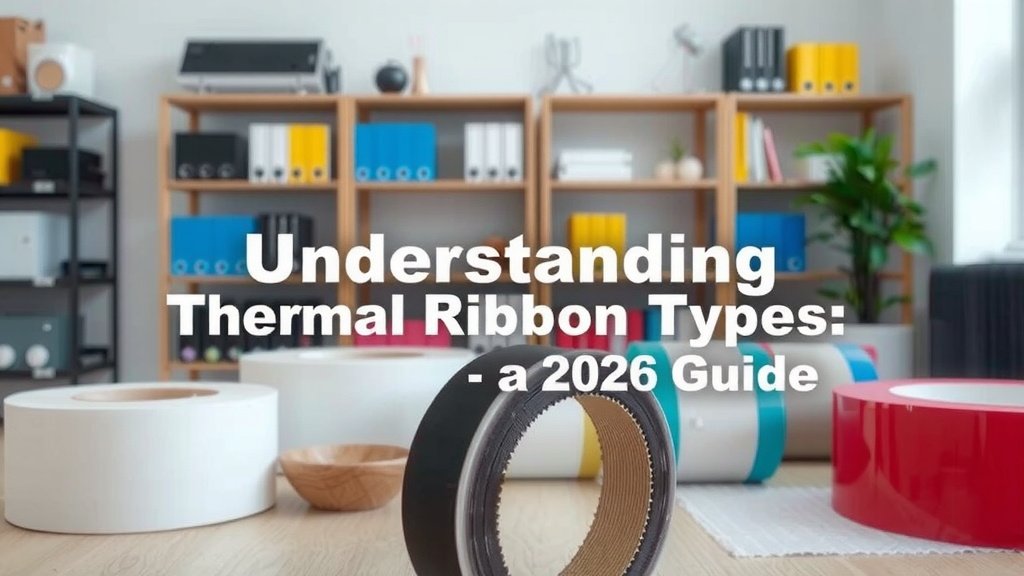
Beyond the main three, there’s a world of specialty ribbons designed for unique needs. These can add flair or specific functionalities to your printed materials.
Colored Thermal Ribbons
Who says labels have to be black and white? You can find thermal ribbons in a variety of colors like red, blue, green, and even gold or silver. These are great for:
- Creating eye-catching branding
- Color-coding inventory
- Highlighting special messages or warnings
Colored ribbons are typically wax or wax/resin based, so their durability will vary. They’re excellent for adding visual appeal to your labels.
Other Specialty Options
Some specialty ribbons offer unique properties:
- Near-Edge Ribbons: These are designed for high-speed, near-edge printers, offering excellent print quality.
- Textile Ribbons: Specifically formulated for printing on fabric labels, ensuring the print stays on through washing and wear.
- UV-Curable Ribbons: These ribbons cure under UV light, providing extremely durable and chemical-resistant prints, often used in industrial settings.
These options cater to very specific requirements, but it’s good to know they exist!
Making Your Final Ribbon Decision
Choosing the correct ribbon boils down to a few key questions. Asking yourself these will guide you to the best solution for your business.
Key Questions to Ask Yourself
Before you click “buy,” consider these points:
- What material will you be printing on? Coated paper, synthetic film, or fabric?
- What is the intended lifespan of the printed label? A few weeks, months, or years?
- What environmental conditions will the label face? Indoors, outdoors, extreme heat, moisture, or chemicals?
- How much handling will the label endure? Gentle touch, or constant friction?
- What is your budget? Wax is most affordable, resin is typically the most expensive.
- What type of thermal printer do you have? Flathead or near-edge? Does it support higher temperatures?
By answering these, you can narrow down your options considerably. Many manufacturers provide compatibility charts to help you match ribbons to printers and label materials.
Quick Ribbon Selection Checklist
Here’s a simple checklist to help you decide:
- Is it for basic indoor use on coated paper? → Wax might be sufficient.
- Does it need to resist smudges and hold up to moderate handling? → Wax/Resin is a strong contender.
- Will it be exposed to water, chemicals, or harsh outdoor conditions? → You likely need Resin.
- Is color important for branding or coding? → Look for Specialty Colored Ribbons.
- Is the label for fabric or textiles? → Seek out Textile Ribbons.
- Is print longevity your absolute top priority? → Resin is usually the best choice.
Taking a moment to assess your needs ensures you get the best possible print quality and durability for your specific application. It’s about getting the most bang for your buck and ensuring your labels do their job effectively!
“`Conclusion
You’ve learned about the four main thermal ribbon types: wax, wax/resin, resin, and specialty options. Choosing the right one depends on your material, environment, and how long you need the print to last. Wax is great for general indoor use, wax/resin offers a good balance, and resin is for the toughest jobs. Don’t forget specialty ribbons for unique needs like color or fabric printing!
To make your final decision, ask yourself about your label’s material, lifespan, and the conditions it will face. Consider your budget and printer type too. Take this checklist with you, and you’ll be printing durable, clear labels in no time. Your next step is to identify your specific printing needs based on this guide!
Frequently Asked Questions
What is the most affordable type of thermal ribbon?
Wax ribbons are generally the most budget-friendly option. They are cost-effective for everyday printing needs on coated paper. While they offer basic durability, their lower cost makes them a popular choice for many general applications.
Can I use any thermal ribbon with my printer?
No, not all ribbons are compatible with every printer. Your printer type (flathead or near-edge) and its ability to handle different melt temperatures are important. Always check your printer manufacturer’s recommendations and compatibility charts before purchasing ribbons.
Which ribbon type is best for outdoor use?
For outdoor use or harsh environments, you’ll want to choose resin ribbons. They offer superior resistance to moisture, UV light, extreme temperatures, and abrasion. Resin ribbons are designed to withstand conditions that would quickly degrade wax or wax/resin options.
How do I know if I need wax/resin instead of just wax?
If your labels will be handled frequently or face moderate exposure to smudges, you should consider wax/resin. It provides better scratch and smudge resistance than pure wax. Think of applications like apparel tags or durable indoor signage where enhanced durability is needed.
What are specialty ribbons good for?
Specialty ribbons are designed for unique applications beyond standard printing. This includes colored ribbons for branding or coding, textile ribbons for fabric labels that need to survive washing, and near-edge ribbons for high-speed printers. They add specific functionality or aesthetic appeal to your labels.