Thermal Printer Technology Explained: How It Works
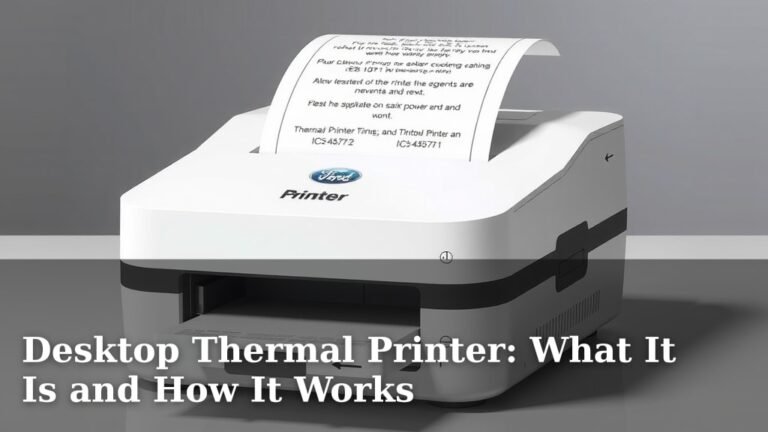
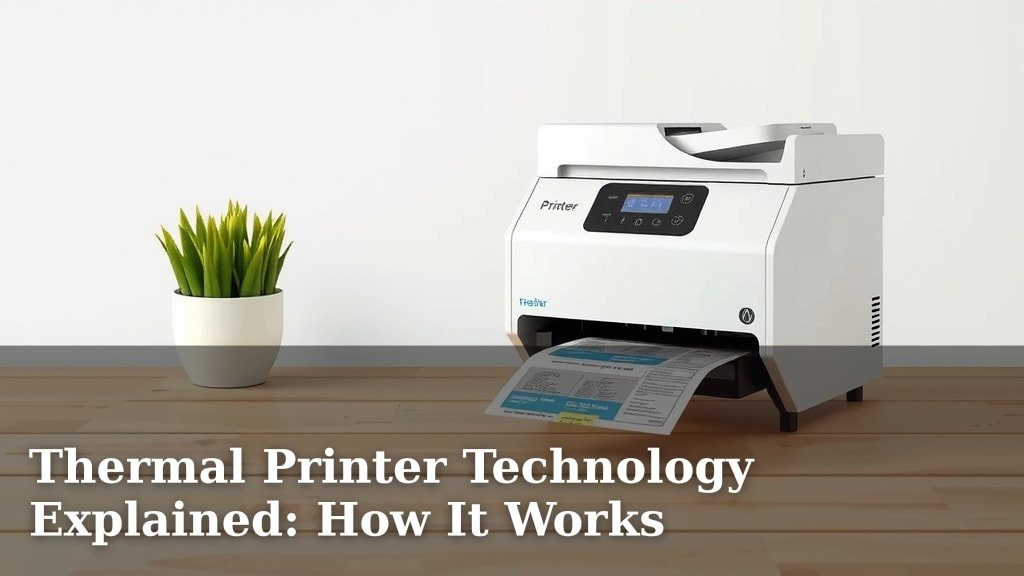
Thermal printer technology works by heating a print head that then reacts with special heat-sensitive paper to create an image. This direct thermal printing process is incredibly fast and quiet, making it ideal for receipts and labels. It doesn’t use ink or toner, which simplifies maintenance.
You’ve probably seen thermal printers in action at grocery stores or shipping centers. They are a popular choice because of their simplicity and efficiency. Many people wonder how this magic happens without any ink cartridges.
- Thermal printers use heat-sensitive paper.
- A heated print head creates the image.
- No ink or toner is required.
- They are known for being fast and quiet.
- Commonly used for receipts and labels.
Below, we’ll break down exactly how this technology works and what makes it so handy for your everyday needs. Let’s dive in!
Understanding Thermal Printing: How It Works
Ever wondered how those receipts appear so quickly without any ink cartridges? Thermal printers achieve this by using a clever combination of heat and special paper. It’s a surprisingly simple process at its core. You’re looking at a technology that’s both efficient and quiet.
The Magic Ingredient: Heat-Sensitive Paper
The real star of thermal printing is the paper itself. This isn’t your ordinary printer paper. It’s coated with a special thermo-chromic coating. Think of it like a magic trick waiting to happen. This coating is designed to change color when exposed to heat.
What’s in the Coating?
The thermo-chromic coating typically contains three main components. You have a dye, a developer, and a sensitizer. The dye is what gives the paper its base color, usually white or light-colored. The developer acts as a catalyst. The sensitizer helps control the melting point of the mixture. When heated, these components react to create a visible image. Many research papers explain the chemistry behind these reactions (NCBI).
The Role of the Print Head
The other key player is the printer’s thermal print head. This is a strip of tiny heating elements, like microscopic resistors. Each element can be individually controlled. When the printer needs to print something, it sends an electrical signal to specific elements on the print head. This makes them get hot. The heat is then transferred directly to the paper.
How Heat Creates an Image
As the heated elements on the print head touch the thermo-chromic coating on the paper, the coating melts and reacts. The dye and developer mix where the heat is applied. This chemical reaction turns the paper dark, forming the dots that make up your text and images. The precise pattern of heating and cooling determines what gets printed. It’s all about controlled heat application.
Direct Thermal vs. Thermal Transfer
When people talk about thermal printers, they often mean direct thermal printing. This is the method we’ve just described. But there’s another type: thermal transfer. It’s good to know the difference because they use different materials.
Direct Thermal Printing Explained
In direct thermal printing, the heat-sensitive paper is the only special material involved. The print head directly heats the paper to create the image. This is the most common type for receipts and shipping labels. It’s known for its simplicity and speed. You’ll find it in places where durability isn’t the top priority. Receipts, for example, can fade over time.
Thermal Transfer Printing Explained
Thermal transfer printing is a bit different. It uses a ribbon made of wax or resin. This ribbon is placed between the print head and the label material. The print head heats the ribbon, melting the ink onto the label. This creates a much more durable and long-lasting image. Thermal transfer is often used for product labels, barcodes that need to withstand harsh conditions, and outdoor signage. You might see it used for name tags or inventory tags in warehouses.
| Feature | Direct Thermal | Thermal Transfer |
|---|---|---|
| Materials Used | Heat-sensitive paper only | Label stock, ink ribbon, and print head |
| Durability | Less durable; can fade with heat/light | More durable; resistant to fading and abrasion |
| Print Speed | Generally faster | Can be slightly slower due to ribbon transfer |
| Cost | Lower initial cost; no ribbons needed | Higher initial cost; requires ribbon replacement |
| Common Uses | Receipts, boarding passes, shipping labels | Product labels, barcodes, asset tags, durable labels |
Why Thermal Printers Are So Popular
There are several compelling reasons why thermal printers have become a staple in many industries. Their appeal lies in their straightforward design and operational benefits. Many businesses choose them for these specific advantages.
Speed and Quiet Operation
One of the most noticeable features is their speed. Thermal printers can produce prints very quickly. This is because there are no mechanical parts like ink ribbons or print heads moving back and forth. The print head simply moves across the paper. This efficiency is a big plus when you need to print many items rapidly. Plus, they are remarkably quiet. You don’t get the noisy clatter of traditional impact printers. This makes them much more pleasant in busy environments. You can hold a conversation right next to one running. That’s a nice change!
Simplicity and Low Maintenance
Since they don’t use ink or toner, you eliminate a whole category of potential problems. There are no ink cartridges to buy, no ink to dry out, and no print heads to clog. Maintenance is usually limited to keeping the print head clean. This simplifies operations significantly. Fewer consumables mean less waste and lower running costs over time. You save money and headaches. Research confirms that reduced maintenance is a key driver for adopting this technology (Journal of Applied Business Research).
Compact and Energy Efficient
Many thermal printers are designed to be compact. They don’t take up much space on a counter or desk. This is great for businesses with limited real estate. They also tend to be energy efficient. They only draw power when heating the print head. This means they use less electricity compared to other printer types. When you add up all these factors, you see why they are so widely adopted.
Common Applications You See Every Day
You interact with thermal printers far more often than you might realize. They are everywhere! Let’s highlight a few common places you’ll encounter this technology.
- Retail Receipts: The most obvious example. Your grocery store receipt is almost certainly from a direct thermal printer.
- Shipping Labels: Online retailers and shipping companies rely heavily on thermal printers for fast, clear labels.
- Restaurant Order Tickets: Kitchens often use thermal printers to quickly generate order slips.
- Event Tickets: Many event venues print tickets on demand using thermal printers.
- Boarding Passes: Airlines use them for quick printing of passenger boarding passes.
Basically, anywhere you need a fast, simple printout for immediate use, a thermal printer is likely involved. It’s a quiet workhorse.
Things to Consider When Choosing a Thermal Printer
Thinking about getting a thermal printer for your business? That’s a smart move! But before you buy, there are a few things you should keep in mind. These factors will help you choose the right one for your needs.
- Print Method: Decide if you need direct thermal or thermal transfer.
- Print Resolution: Higher DPI (dots per inch) means sharper text and graphics.
- Print Speed: How fast do you need your labels or receipts?
- Connectivity: Does it connect via USB, Wi-Fi, or Bluetooth?
- Durability Needs: Will the printed items be exposed to harsh conditions?
- Label Size: Ensure the printer can handle the width of your labels.
By thinking through these points, you can find a thermal printer that perfectly fits your workflow. It’s all about matching the printer’s capabilities to your specific demands.
Conclusion
You’ve now seen how thermal printers work their magic! By using heat-sensitive paper and a precisely controlled print head, they deliver fast, quiet prints without ink. Whether you need direct thermal for quick receipts or thermal transfer for durable labels, this technology offers a simple and efficient solution. Consider your specific needs, like print durability and speed, to choose the right printer. Making an informed choice will ensure you get the best performance for your business operations. Start exploring thermal printer options today to streamline your printing tasks!
Frequently Asked Questions
How long do thermal prints last?
Direct thermal prints are designed for short-term use and can fade over time, especially when exposed to sunlight or heat. For longer-lasting prints, thermal transfer printers with wax or resin ribbons are a better choice. They produce durable images that resist fading and abrasion.
Can I use regular paper with a thermal printer?
No, you cannot use regular paper with a thermal printer. Direct thermal printers require special heat-sensitive paper. Thermal transfer printers need both a label stock and an ink ribbon. Using the wrong materials will prevent printing and can damage your printer.
How do I clean a thermal print head?
You should clean the thermal print head using a special cleaning pen or a lint-free cloth dampened with isopropyl alcohol. Gently wipe the print head from end to end. Ensure the printer is off and cool before cleaning. Regular cleaning helps maintain print quality and extends the life of the print head.
What’s the main difference between direct thermal and thermal transfer?
The main difference lies in their printing method and durability. Direct thermal uses heat-sensitive paper to create an image directly. Thermal transfer uses a heated ribbon that melts ink onto the label. Thermal transfer prints are more durable and resistant to fading than direct thermal prints.
Are thermal printers expensive to operate?
Generally, thermal printers have low operating costs. Direct thermal printers only require the special paper, eliminating ink or toner expenses. Thermal transfer printers require ribbon replacements, but these are typically cost-effective. Both methods avoid the ongoing cost and hassle of ink cartridges.