Understanding Your Thermal Printhead: A Complete Guide
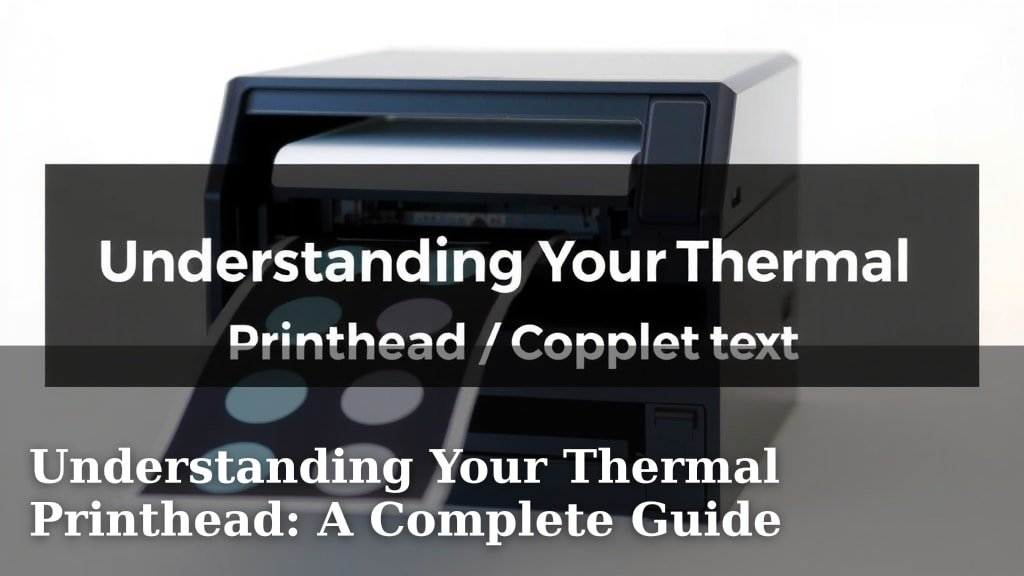
A thermal printhead is the essential component in a thermal printer that actually creates the image. It’s a line of tiny heating elements that get hot to transfer ink from a ribbon or darken special paper. Think of it as the printer’s very own hot iron, pressing the image onto your label or receipt. Understanding your thermal printhead is key to getting clear, crisp prints every time.
When your thermal printhead isn’t working right, you’ll see print quality issues like faded lines or blotchy text. It’s the part that directly touches your media, so keeping it clean and in good shape is super important. Many printing problems boil down to the condition of this hardworking component.
- A thermal printhead makes images using heat.
- It’s the part that applies heat to labels or ribbons.
- Keeping it clean is vital for good print quality.
- Damage can cause faded or blurry prints.
Ready to learn more about how your thermal printhead works and what keeps it in top shape? Let’s dive in!
“`htmlUnderstanding Your Thermal Printer’s Heart: The Printhead
Think of your thermal printer like a car. You know the engine makes it go, but what about the part that actually draws the picture on your receipt or label? That’s the thermal printhead. It’s the unsung hero of direct thermal and thermal transfer printing. Without it, your printer is just a fancy box.
This part is where the magic happens. It’s a row of tiny heating elements. These elements get hot very quickly. They use this heat to create the images you see on your paper or labels. You might be wondering, how exactly does this work? Let’s break down the mechanics.
How Does a Thermal Printhead Actually Work?
The fundamental principle behind a thermal printhead is heat-activated printing. There are two main types of thermal printing, and the printhead works slightly differently for each. It’s all about how the heat is applied and what it interacts with.
Direct Thermal Printing
In direct thermal printing, the printhead heats up special thermochromic paper. This paper has a chemical coating. When the heat from the printhead touches the paper, the coating changes color. This creates your text and images. It’s like a magic trick, but it’s really just chemistry and heat!
The printhead has many tiny dots. Each dot is a small resistor. When electricity flows through a resistor, it heats up. The printer’s logic controls which dots get hot and for how long. This allows it to form characters and graphics. The faster and more controlled the heating, the sharper your print will be. This method is common for receipts and shipping labels.
Thermal Transfer Printing
Thermal transfer printing is a bit different. It uses a thermal ribbon. This ribbon is coated with a waxy or resin ink. The printhead heats up and melts the ink from the ribbon. Then, it transfers that melted ink onto the label or media you’re printing on. It’s like a tiny, precise hot-stamping process.
The printhead still has those tiny heating elements. But instead of directly darkening paper, they press against the ribbon. The heat melts the ink onto the label. This method is fantastic for creating durable, long-lasting prints. Think of barcodes on products or labels that need to withstand harsh environments. Many experts recommend this for applications requiring high durability (Thermal Printing Basics Guide).
The Anatomy of a Thermal Printhead
So, what exactly makes up this critical component? It’s more sophisticated than it looks. The printhead isn’t just a single piece of metal. It’s a carefully engineered assembly.
The Print Bar
The most visible part is the print bar. This is the narrow strip where all the heating elements are located. It runs across the width of the label or receipt. The size of the print bar determines the maximum width of what you can print in one pass.
Heating Elements (Dots)
Within the print bar are hundreds or even thousands of individual heating elements. These are typically tiny resistors arranged in a precise grid. Each dot can be individually controlled by the printer. They are often referred to as “dots per inch” or DPI. A higher DPI means smaller dots and therefore sharper, more detailed prints.
Protective Layer
The heating elements are covered by a special protective layer. This layer is essential for several reasons. It helps conduct heat evenly. It also protects the delicate heating elements from the abrasive action of the label material or ribbon. This coating needs to be smooth and durable.
Circuitry and Connections
Behind the print bar is the circuitry that powers and controls the heating elements. This connects to the printer’s main board. It tells each dot exactly when and how hot to get. Reliable connections are key to consistent print quality. Loose wires or faulty circuits can cause printing errors.
Why Your Printhead Matters: Print Quality Issues
When your thermal printhead isn’t functioning correctly, you’ll notice it immediately. Print quality issues are the most common symptom. Many printing problems trace back to the condition of the printhead. Let’s look at what might happen.
Faded or Light Prints
If your entire printout seems weak or faded, it could mean the printhead isn’t getting hot enough. This might happen if the heating elements are aging. Or perhaps there’s an issue with the power supply to the printhead. In direct thermal printing, old or poor-quality paper can also cause this. The paper might not be sensitive enough to the heat.
Missing Lines or Gaps
Are there white lines running through your print? This often means some of the heating elements in the printhead aren’t working. They might be clogged with debris or damaged. A damaged element simply can’t produce heat. This leaves a gap in your image. You might see this as broken text or a disconnected barcode.
Smudged or Blotchy Prints
If your prints look messy, smudged, or blotchy, it could be a cleaning issue. Residue from labels or ribbons can build up on the printhead. This gunk can interfere with the heat transfer. It can cause ink to melt unevenly or the paper to darken in unwanted spots. This is a common problem, especially if you haven’t cleaned your printer recently.
Dark Lines or Streaks
Sometimes, you might get unwanted dark lines or streaks. This can happen if a heating element is stuck in the “on” position. It continues to heat even when it shouldn’t. This leads to a continuous dark line. It might also occur if a protective layer is damaged, causing uneven heating.

Caring for Your Thermal Printhead: A Checklist
Your thermal printhead is a sensitive component. Treating it with care will extend its life and ensure great prints. Here are some key things you can do:
- Regular Cleaning: Use approved cleaning solutions and lint-free wipes.
- Gentle Handling: Avoid touching the print bar directly with your fingers.
- Use Quality Media: Always use labels and ribbons recommended for your printer.
- Proper Storage: Keep your printer free from dust and debris when not in use.
- Avoid Abrasives: Never use rough cloths or harsh chemicals.
- Calibrate Often: Ensure your printer is calibrated for your media size.
By following these simple steps, you can help keep your thermal printhead in excellent working condition. It’s a small effort that pays off in crisp, clear prints.
Types of Thermal Printheads
While they all do the same job, thermal printheads can differ in design and the materials they are made from. The type you have depends on your printer and its intended use.
Flat Type vs. Near-Edge Type
One common distinction is between flat and near-edge printheads. Flat printheads have their heating elements arranged in a straight line. They are generally found in slower-speed printers. Near-edge printheads have their elements positioned close to the edge of the printhead assembly. These are designed for high-speed printing and are very efficient.
Materials and Durability
The materials used for the heating elements and the protective layer play a big role in durability. Some printheads use thicker protective coatings for heavy-duty applications. Others might use special ceramics or alloys to withstand higher temperatures or more frequent use. The lifespan can range from tens of thousands to hundreds of thousands of prints.
When to Consider Replacing Your Printhead
Even with the best care, printheads don’t last forever. They are consumable parts, much like the tires on your car. Eventually, wear and tear will take their toll. So, when should you start thinking about a replacement?
If you’ve tried cleaning your printhead and the print quality issues persist, it’s a strong sign. Problems like constant white lines, faded prints that cleaning doesn’t fix, or a printhead that no longer heats up properly are indicators. Many manufacturers provide guidance on expected printhead life. If you’re printing thousands of labels daily, you might need to replace it yearly.
Replacing a thermal printhead is often a straightforward process. Your printer manual will guide you. For most users, it’s a manageable DIY task. However, if you’re not comfortable, a printer technician can handle it for you. Getting a new printhead can bring your printer back to life, ensuring clear and legible prints once again.
“`Conclusion
You’ve now learned that your thermal printhead is the engine of your printer, directly responsible for creating every crisp label and receipt. Understanding how it works—whether through direct thermal or thermal transfer printing—and knowing the signs of wear and tear is vital. By following a simple care routine, like regular cleaning and using quality media, you can significantly extend your printhead’s lifespan. If issues persist, don’t hesitate to consider a replacement; it’s often a manageable step to restoring your printer’s peak performance. Keep your printhead happy, and it will keep your prints clear.
Frequently Asked Questions
How often should I clean my thermal printhead?
You should clean your thermal printhead regularly, ideally every time you change the label roll or ribbon. For high-volume printing environments, more frequent cleaning might be necessary. Check your printer manual for specific recommendations, as this can vary by model and usage.
Can I use a regular cloth to clean the printhead?
No, you should never use a regular cloth or paper towel to clean your thermal printhead. These materials can be abrasive and leave behind lint or scratches. Always use a soft, lint-free cloth or a specialized printhead cleaning wipe designed for thermal printers.
What’s the difference between direct thermal and thermal transfer printheads?
While both use heat, direct thermal printheads heat thermochromic paper directly to create an image, whereas thermal transfer printheads heat a ribbon to melt ink onto the label. Thermal transfer is generally more durable and suitable for long-lasting prints.
How do I know if my printhead is damaged beyond repair?
Signs of damage include persistent white lines or gaps in your prints that cleaning doesn’t resolve, or a printhead that consistently fails to heat up. If print quality issues remain after thorough cleaning and you’ve ruled out other printer problems, the printhead likely needs replacement.
Can a dirty printhead cause faded prints?
Yes, a dirty thermal printhead can definitely cause faded prints. Residue from labels or ribbons can build up on the heating elements, preventing them from reaching the optimal temperature needed to darken the paper or melt the ink from the ribbon. Regular cleaning is key to preventing this.