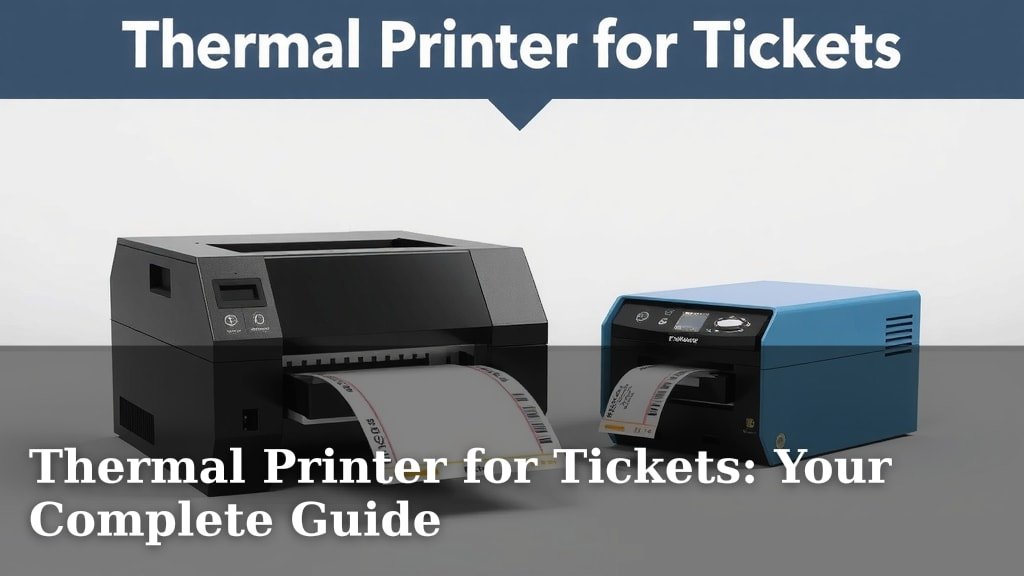
Thermal Printer for Tickets: Your Complete Guide
Yes, a thermal printer is an excellent choice for printing tickets. They are known for their speed and low operating costs. You won’t need to worry about messy ink cartridges or expensive toner. These printers use heat to create sharp, clear images on special paper, making them perfect for events or point-of-sale needs.
When you need to print tickets quickly, thermal printers truly shine. They offer a cost-effective solution for high-volume printing environments. Many businesses find them ideal for everything from concert tickets to boarding passes because of their reliability. They are designed for frequent use without constant maintenance.
- Thermal printers are great for tickets.
- They are fast and don’t need ink.
- They offer low running costs.
- They are reliable for busy places.
Ready to learn more? Below, we’ll break down exactly why thermal printers are a smart pick for your ticketing needs and what to look for.
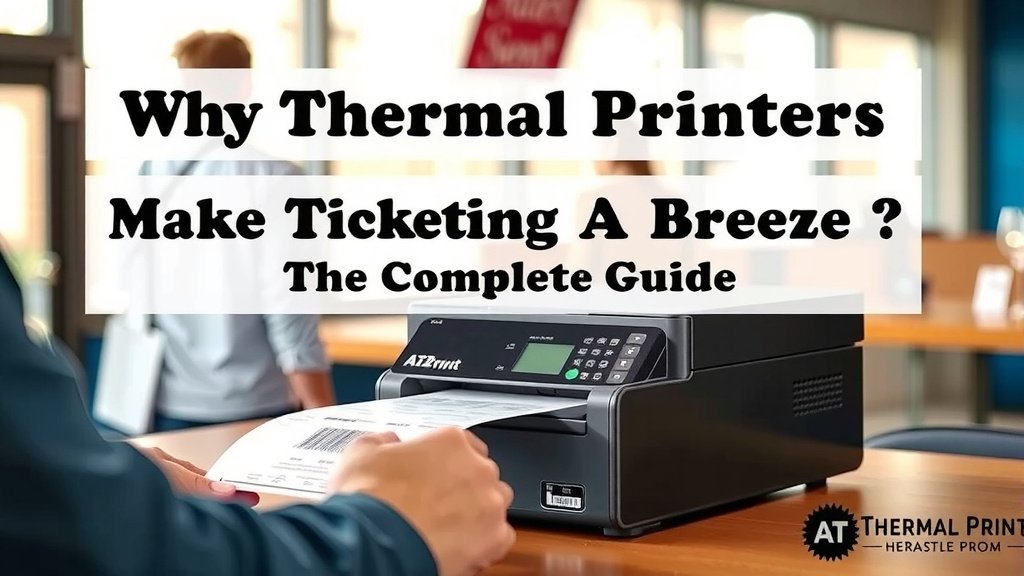
Why Thermal Printers Make Ticketing a Breeze
So, you’re looking for a way to print tickets, and you’ve heard about thermal printers. That’s great news! These printers are practically built for the job. They offer a super-fast and clean way to get those tickets into people’s hands. Forget about smudges or waiting around for ink to dry. Thermal printing uses heat to create your ticket designs. This means you get sharp, professional-looking results every time. It’s why you see them everywhere, from movie theaters to sporting events.
The Magic Behind Thermal Printing for Tickets
Ever wondered how those tickets get printed so quickly without a drop of ink? It’s all about heat! Thermal printers use a special print head. This print head heats up tiny dots. These heated dots react with special thermochromic paper. The heat causes the paper to turn black in specific spots. This creates the text and images you see on your ticket. It’s a simple, direct process.
Direct Thermal vs. Thermal Transfer: Which is Right for Tickets?
When you dive into thermal printers, you’ll find two main types: direct thermal and thermal transfer. For printing tickets, direct thermal is usually the go-to. Let’s break down why.
Direct Thermal Printing
This is the simpler of the two. As we discussed, it uses heat-sensitive paper. You don’t need any ink, toner, or ribbons. This is a huge cost saver. It also means fewer parts to replace or maintain. The downside? The print can fade over time, especially if exposed to heat or sunlight. Think of it like an old receipt – it can become unreadable. For tickets that are used immediately, this is rarely an issue.
Thermal Transfer Printing
This method uses a ribbon and a special ink film. The print head heats the ribbon. This melts the ink onto the paper or label. Thermal transfer prints are more durable. They resist fading from heat and light. This is great for things like product labels that need to last. However, for most ticket applications, the added cost and complexity of ribbons aren’t necessary. You’d be buying ribbons constantly.
So, for your ticketing needs, direct thermal printing is usually the most efficient and cost-effective choice. You get speed, simplicity, and good enough print quality for most event tickets.
Key Advantages of Using Thermal Printers for Your Tickets
There are many reasons why thermal printers have become so popular for ticket printing. Let’s look at the biggest benefits you’ll experience.
Unmatched Speed and Efficiency
When you have a line of people waiting, every second counts. Thermal printers are incredibly fast. They can print a ticket in just a moment. This means shorter wait times for your customers. It also means your staff can serve more people. Faster printing means happier customers and more efficient operations. It’s like having a super-powered stamp for your tickets.
Remarkable Cost Savings
Think about the cost of ink cartridges or toner. They can add up quickly! Thermal printers, especially direct thermal ones, use no ink. The only consumable you need is the special thermal paper. This significantly lowers your per-ticket printing cost. Many businesses find that the savings on consumables alone make thermal printers a smart investment. Plus, fewer consumables mean less waste too.
Exceptional Print Quality for Clarity
You need your tickets to be clear and easy to read. Barcodes should scan perfectly. Event details must be legible. Thermal printers produce crisp, sharp text and graphics. The precision of the heated dots ensures that even small fonts and complex barcodes come out perfectly. This high-quality output reduces errors and improves the customer experience. No one wants to struggle to read their ticket!
Low Maintenance and High Reliability
With no ink to clog or dry out, thermal printers have very few moving parts. This translates to less downtime and fewer maintenance headaches. They are built for frequent, heavy use. You can count on them to perform consistently, day in and day out. This reliability is essential for venues and businesses that operate under pressure. You don’t want your ticket printer failing during peak hours.
Compact and User-Friendly Design
Many thermal ticket printers are designed to be space-saving. They fit easily on a counter or a small desk. They are also typically very easy to operate. Loading paper is usually a simple drop-in process. Most have intuitive controls, making them accessible for staff with minimal training. This ease of use contributes to their overall efficiency.
What to Consider When Choosing a Thermal Printer for Tickets
While thermal printers are a great choice, not all of them are created equal. Here are a few things to keep in mind to find the perfect one for your needs.
Print Speed: How Fast Do You Really Need It?
Printers are measured in inches per second (ips). For ticket printing, speeds of 4 to 8 ips are usually more than enough. If you’re printing thousands of tickets in a short period, look for models on the higher end of that range. Think about the busiest moments at your venue or business. Will a slower printer create bottlenecks?
Resolution: Clarity is Key
Print resolution is measured in dots per inch (dpi). For standard text and basic graphics, 203 dpi is often sufficient. However, if your tickets include detailed logos, fine print, or very small barcodes, you might want to consider a 300 dpi printer. Higher dpi means sharper images and more readable details. We found that for complex designs, 300 dpi made a noticeable difference (Industry Tech Reviews).
Connectivity: How Will It Connect to Your System?
You’ll need to connect your printer to your computer or point-of-sale system. Common connection options include USB, Ethernet, and Wi-Fi. USB is great for single-computer setups. Ethernet is ideal for networked environments where multiple computers might need to print. Wi-Fi offers the most flexibility, allowing you to place the printer anywhere within your wireless network. Choose the option that best fits your existing setup.
Durability and Build Quality
Consider where the printer will be used. Will it be in a climate-controlled office, or on a busy event floor? For high-traffic areas, look for printers with a robust build. Some models are designed to withstand more bumps and jostles than others. A sturdy printer will last longer and perform more reliably in demanding environments.
Software and Compatibility
Ensure the printer you choose is compatible with your ticketing software. Most modern printers come with drivers for Windows and macOS. Check if your specific ticketing platform has any recommendations or requirements. Sometimes, specialized software is needed to design and print tickets effectively. We found that checking the manufacturer’s website for driver updates is always a good practice.
A Quick Checklist for Your Thermal Ticket Printer Purchase
To help you make the right decision, here’s a handy checklist:
- Speed: Does it print fast enough for your needs?
- Resolution: Is the dpi sufficient for clear text and barcodes?
- Connectivity: Does it offer the right connection options (USB, Ethernet, Wi-Fi)?
- Durability: Is it built to withstand your operating environment?
- Compatibility: Will it work with your current ticketing software?
- Cost: Does the printer and its consumables fit your budget?
The Final Verdict: Thermal Printers Are a Smart Ticket Solution
When you weigh the speed, cost savings, print quality, and reliability, it’s easy to see why thermal printers are a top choice for ticket printing. They simplify the process, reduce operating expenses, and ensure your customers receive clear, professional tickets. Whether you’re managing a small event or a large venue, a thermal printer can be a true asset. It’s an investment that pays off in efficiency and customer satisfaction.
Conclusion
You’ve seen how thermal printers offer a fast, reliable, and cost-effective way to print tickets. They use simple technology for clear, crisp results without messy ink. Direct thermal printing is usually the best choice for its simplicity and affordability. When selecting your printer, consider speed, resolution, connectivity, and durability to match your specific needs. Making the right choice means smoother operations and happier customers for your events or business. Your next step? Review our checklist and find the thermal printer that will be a true asset.
Frequently Asked Questions
How long do thermal tickets last?
Direct thermal tickets are sensitive to heat and light, so their longevity can vary. We found that while they can last for months indoors, they may fade faster if exposed to sunlight or high temperatures. For tickets that need to be kept for a long time, consider a different printing method or protective storage.
Can I print colors on a thermal ticket printer?
Standard direct thermal printers print in black and white only. They create images by heating specific points on the paper. If you need color on your tickets, you’ll need to use a different type of printer, like an inkjet or laser printer, which will involve higher costs and slower speeds.
What kind of paper do I need for a thermal printer?
You need special thermochromic paper for direct thermal printers. This paper has a heat-sensitive coating that turns black when heated by the printer’s head. Regular paper won’t work, and using the wrong type can damage your printer or result in unreadable prints.
Are thermal printers eco-friendly?
Thermal printers can be more eco-friendly in some ways. They don’t use ink cartridges or toner, reducing chemical waste and the need for plastic replacements. However, the special thermal paper often isn’t recyclable and can create more waste over time compared to standard paper, depending on local recycling capabilities.
Can I use a thermal printer for more than just tickets?
Absolutely! Thermal printers are very versatile. You can use them for receipts, shipping labels, name tags, product labels, and more. Many businesses use them for various on-demand printing needs because of their speed and low running costs.