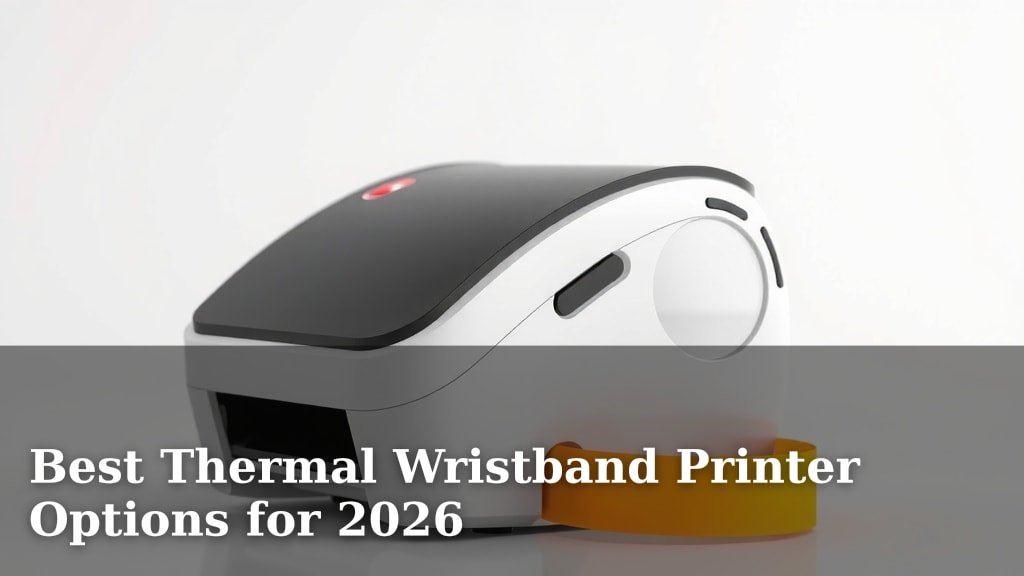
Best Thermal Wristband Printer Options for 2026
Yes, a thermal printer for wristbands is a fantastic choice for events, hospitals, and any situation needing quick, durable identification. These printers use heat to transfer ink onto special wristband material, creating clear, smudge-proof prints in seconds. They are designed for high-volume printing and are much faster than other methods.
Using a thermal printer means you can print patient IDs or event tickets on demand. This reduces errors and improves security. Many models are compact and easy to operate, making them suitable for busy environments. You’ll find them reliable for printing everything from guest names to barcodes.
- Thermal printers are great for wristbands.
- They use heat for fast, smudge-proof printing.
- Ideal for events, hospitals, and security.
- Print patient IDs, tickets, and barcodes quickly.
- Easy to use and reliable for high volume.
Ready to make your wristband printing process smoother? Let’s dive into the benefits and considerations of using a thermal printer.
Printing Wristbands with Thermal Technology
Using a thermal printer for your wristband needs is a smart and efficient choice. You might be wondering why this technology is so popular. It’s all about speed, clarity, and durability. These printers use a special heating element to melt ink from a ribbon onto the wristband material. This process creates a permanent, smudge-proof mark that holds up well, even in tough environments.
Think about a busy music festival or a crowded hospital. You need a way to identify people quickly and reliably. Thermal printers excel at this. They can churn out hundreds of wristbands in a short amount of time. This makes them perfect for high-volume printing scenarios. You won’t have to wait around for prints to dry or worry about them smearing.
How Thermal Printing Works for Wristbands
The magic behind thermal printing lies in its simplicity and effectiveness. There are two main types: direct thermal and thermal transfer. For wristbands, direct thermal printing is often the go-to. This method uses heat-sensitive labels and a thermal print head. When heat is applied, the sensitive coating on the label turns black, forming your text or image.
Thermal transfer printing, on the other hand, uses a ribbon. The print head heats the ribbon, transferring ink onto the wristband material. While direct thermal is generally faster and requires fewer supplies (no ribbon needed!), thermal transfer offers superior durability for certain applications. For most wristband uses, like event entry or patient identification, direct thermal is perfectly adequate and more cost-effective.
Key Benefits You’ll See
So, what exactly makes thermal printers such a great fit for wristbands? Let’s break down the advantages you’ll experience.
Speed and Efficiency
When you’re dealing with large crowds or a constant stream of patients, speed is essential. Thermal printers are built for this. They can print a wristband in a matter of seconds. This means you can process guests or patients much faster, reducing wait times and improving overall flow. Imagine printing admission bands as people arrive at an event – it’s incredibly efficient.
Print Quality and Durability
One of the biggest advantages is the print quality. Thermal printing creates sharp, clear text and images that are easy to read. Plus, the print is permanent and resistant to smudging, fading, and water. This is crucial for wristbands that might get wet or handled frequently. You won’t have to worry about identifying information becoming unreadable halfway through an event or a hospital shift.
Cost-Effectiveness
While the initial printer investment might seem like a lot, the long-term cost is often lower. Direct thermal printers don’t require ink cartridges or toner. The only consumables you need are the specialized thermal wristbands themselves. This eliminates the recurring cost of ink and toner, making it a more budget-friendly solution over time, especially for frequent printing needs.
Ease of Use
You don’t need to be a tech wizard to operate most thermal printers for wristbands. They are generally designed with user-friendly interfaces. Loading new wristbands is usually straightforward, and the software to design and print them is often intuitive. Many come with templates, making it simple to add logos, text, and barcodes without a steep learning curve.
Where Thermal Printers Shine: Common Applications
The versatility of thermal wristband printers means they are used in a wide variety of settings. Let’s look at some of the most common places you’ll find them in action.
Events and Entertainment
Think of concerts, festivals, theme parks, and sporting events. Wristbands are vital for entry control and identification. Thermal printers allow organizers to quickly print custom wristbands for attendees, VIPs, or staff. Barcodes for ticket scanning can be easily incorporated, making the entry process smooth and secure. You can even print different colors or designs to differentiate ticket types.
Healthcare and Hospitals
In hospitals and clinics, patient identification is a matter of safety. Thermal printers create clear, durable patient ID wristbands. These bands often include patient names, medical record numbers, allergies, and other critical information. This helps prevent mix-ups and ensures the right patient receives the right care. Many hospitals use these for everything from admitting new patients to specific ward access.
Security and Access Control
For venues requiring strict access control, like private clubs, resorts, or corporate events, thermal wristbands are a popular choice. They provide a tamper-evident solution. Once applied, if the wristband is removed or shows signs of tampering, it’s immediately noticeable. This helps security personnel easily identify who should and shouldn’t be in certain areas.
Water Parks and Pools
Wristbands that can withstand water are essential for places like water parks or swimming pools. Thermal printing creates prints that are resistant to moisture. This means the identification or access information stays legible even after hours of splashing and swimming. It’s a practical solution for managing guests in wet environments.
Choosing the Right Thermal Printer for Your Needs
With various models on the market, selecting the perfect thermal printer can feel a bit overwhelming. Here are some factors to consider to ensure you make the best choice for your specific situation.
Printer Speed and Throughput
Consider how many wristbands you anticipate printing per hour or per day. If you’re expecting thousands of guests in a short window, you’ll need a high-speed printer. Manufacturers often list the “inches per second” (IPS) for their printers. A higher IPS means faster printing. For smaller operations or lower volumes, a slower, more affordable model might suffice.
Print Resolution
The resolution, measured in dots per inch (DPI), determines the sharpness and detail of your prints. Most wristband applications require a standard resolution, typically 203 DPI. However, if you plan to print very small text or detailed graphics, consider a higher resolution printer (e.g., 300 DPI). This ensures readability and a professional look.
Connectivity Options
Think about how the printer will connect to your computer or network. Common options include USB, Ethernet, and Wi-Fi. If you need to print from multiple stations or wirelessly, ensure the printer offers the connectivity features you require. USB is standard for single-computer use, while Ethernet is better for network integration.
Durability and Build Quality
If your printer will be used in a busy, potentially rough environment, its durability matters. Look for printers with a robust construction. Some models are designed for industrial use and can withstand more wear and tear. For office or event-based use where it’s handled more carefully, a standard consumer-grade model might be sufficient.
Software and Compatibility
Ensure the printer comes with user-friendly software for designing your wristbands, or that it’s compatible with software you already use. Check the operating system compatibility (Windows, macOS) as well. Some software allows you to create custom templates, import databases, and even integrate with existing ticketing or patient management systems.
Material Compatibility
Not all thermal printers work with all types of wristband materials. Most are designed for specific synthetic materials like Tyvek, vinyl, or plastic. Always verify compatibility with the wristband supplier or printer manufacturer. Using the wrong material can lead to poor print quality or damage the printer. Most thermal printers use specially coated wristbands that react to heat.
Making the Switch: What to Expect
Transitioning to a thermal printer for your wristband needs is usually a smooth process. You’ll likely notice several positive changes almost immediately.
- Faster processing at your entry points or check-in desks.
- Improved accuracy with clear, readable information.
- Reduced errors compared to manual methods.
- Enhanced security with custom-printed, traceable bands.
- Professional appearance for your event or facility.
Think of it like upgrading from a rotary phone to a smartphone. It’s a significant leap in capability and convenience. You gain the ability to print exactly what you need, when you need it. This flexibility is a huge advantage for any organization that relies on effective identification and access management.
Wristband Material Matters Too!
It’s important to remember that the wristband material itself plays a role. Common materials include:
- Tyvek: Lightweight, durable, and cost-effective. Great for one-day events. It has a paper-like feel.
- Vinyl: More durable than Tyvek, suitable for multi-day events. Offers a smoother feel.
- Plastic: The most durable option, designed for long-term use (weeks or months). Often used in resorts or for season passes.
Your thermal printer will likely be configured to work best with one or a few of these. Always check the specifications.
A Quick Checklist Before You Buy
To help you narrow down your options, consider these quick questions:
- How many wristbands do I print daily?
- What level of durability do I need?
- What’s my budget for the printer and supplies?
- Will I need to print barcodes or complex graphics?
- What kind of connectivity do I need (USB, Wi-Fi, Ethernet)?
- Is the printer software easy to use for my staff?
Conclusion
You’ve seen how thermal printers offer a fast, reliable, and cost-effective way to handle your wristband printing needs. From improving event entry to ensuring patient safety in hospitals, the benefits are clear. They provide sharp, smudge-proof prints that last, all while being user-friendly and efficient. Making the switch means smoother operations and enhanced security for your organization. Ready to experience these advantages firsthand? Your next step is to evaluate your specific volume needs and explore printer models that fit your budget and connectivity requirements.
Frequently Asked Questions
Do I really need a special thermal printer for wristbands?
Yes, it’s highly recommended. Standard inkjet or laser printers can’t print on wristband materials effectively, and the ink often smears or fades. Thermal printers use specialized heat-sensitive technology designed for these materials, ensuring clear, durable, and smudge-proof prints.
What’s the difference between direct thermal and thermal transfer for wristbands?
Direct thermal uses heat-sensitive wristbands that turn black when heated by the print head, requiring no ribbon. Thermal transfer uses a ribbon to transfer ink onto the wristband material. For most wristband applications, direct thermal is faster and more cost-effective, while thermal transfer offers superior durability for extreme conditions.
Can I print barcodes on wristbands with a thermal printer?
Absolutely. Thermal printers are excellent for printing barcodes, QR codes, text, and graphics. This is a key reason they’re used for event ticketing and patient identification, allowing for quick scanning and data retrieval.
How long do prints from a thermal wristband printer last?
Prints from thermal wristbands are generally very durable and resistant to water, smudging, and fading, especially when using direct thermal technology on appropriate wristband materials like vinyl or plastic. They are designed to last for the duration of an event or hospital stay without issue.
Are thermal printers difficult to set up and use for printing wristbands?
Most thermal printers designed for wristbands are quite user-friendly. Setup typically involves connecting the printer to your computer and installing drivers or software. Loading new wristbands is usually straightforward, and the design software is often intuitive, making them easy for most staff to operate.