Thermal Printer vs Inkjet Printer: Which is Right for You
When choosing between a thermal printer vs inkjet printer, understand that thermal printers are usually best for receipts and labels, while inkjet printers are better for photos and documents. Thermal printers use heat to print, making them fast and quiet, but they can only print in black and white. Inkjet printers use liquid ink, offering vibrant color options but often printing slower and needing ink refills.
The core difference lies in their printing technology. Thermal printers rely on heat-sensitive paper or a thermal ribbon. This makes them ideal for businesses needing quick, durable prints like shipping labels. Inkjet printers, on the other hand, spray tiny droplets of ink onto paper. This technology allows for detailed, full-color printing, making them a popular choice for home users and creative professionals who need to print photos or graphics.
- Thermal printers: Great for receipts, labels, and barcodes. Fast, quiet, and low maintenance. Limited to black and white.
- Inkjet printers: Excellent for photos, graphics, and colorful documents. Offer vibrant color. Require ink cartridge replacements.
- Inkjet prints can fade over time; thermal prints are more durable.
- Thermal printers are generally more expensive upfront but cheaper to run.
Let’s dive into the specifics of each printer type to help you make the best choice for your needs.
Comparing Thermal Printers and Inkjet Printers for Your Needs
Choosing the right printer can feel overwhelming, right? You want something that works well for what you need it to do. Let’s break down the differences between thermal and inkjet printers. It’s not about which is “better” overall. It’s about which one is better for your specific tasks.
We’ll look at how they work, what they’re good at, and what you need to consider. This will help you make a smart choice without any confusion. We want you to feel confident in your decision.
How Thermal Printers Work: Heat is the Key
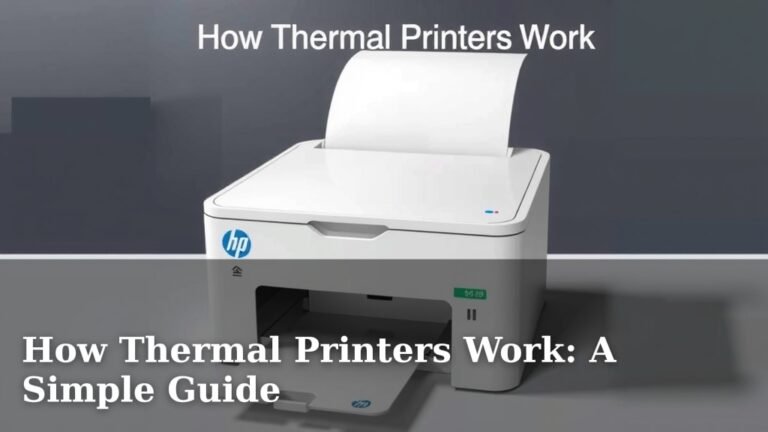
Thermal printers are pretty clever in how they create an image. They don’t use ink at all. Instead, they use a special heat-sensitive paper or a heat-sensitive ribbon.
Direct Thermal Printing
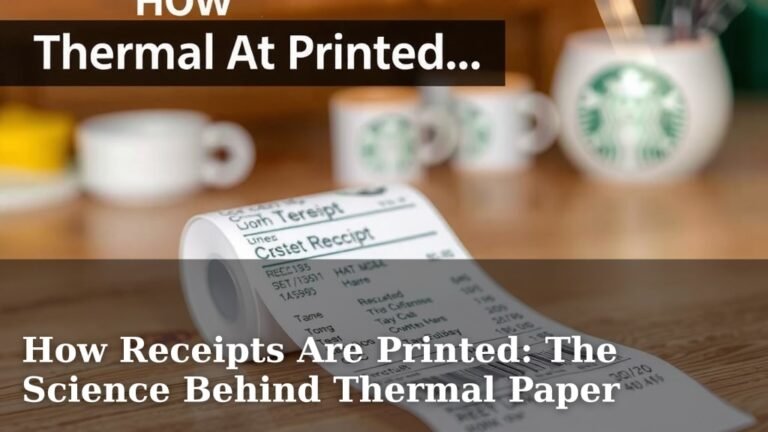
Direct thermal printers are the most common type. They have a print head that heats up. This heated print head passes over special thermal paper. The heat makes the paper turn dark in the areas it touches. This forms the text or image. Think of it like a very precise hot poker drawing on paper. The result is a clear, black print.
Pros of Direct Thermal
- Speed: They print very quickly because there’s no ink to heat or transfer.
- Quiet Operation: No noisy ink spraying or roller mechanisms.
- Low Maintenance: No ink cartridges to replace means less hassle and fewer consumables.
- Durability of Prints: The images are fused into the paper, making them resistant to smudging and fading. Many are designed to last for a good amount of time.
Cons of Direct Thermal
- Paper Requirement: You must use special thermal paper. This paper can be more expensive than plain paper.
- Limited Color: They can only print in black and white (or shades of grey).
- Environmental Sensitivity: The prints can fade or become unreadable if exposed to heat or direct sunlight for extended periods.
- No Archival Quality: While durable against smudging, they aren’t ideal for long-term archival documents.
Thermal Transfer Printing
Thermal transfer printers are a bit different. They use a ribbon made of wax or resin. This ribbon is heated by the print head. The heat melts the ink from the ribbon onto the paper. This method is often used for more durable labels. It’s also good for printing barcodes and serial numbers that need to last.
Pros of Thermal Transfer
- Durability: Prints are highly resistant to abrasion, chemicals, and extreme temperatures.
- Versatility: Can print on a wider range of materials, not just thermal paper.
- Color Options: While less common, color ribbons are available for some thermal transfer printers.
Cons of Thermal Transfer
- Ribbon Cost: You need to buy both labels and ribbons, adding to the running cost.
- Slightly Slower: The ribbon transfer process can be a little slower than direct thermal.
- More Complex: Requires managing both ribbons and labels.
How Inkjet Printers Work: Tiny Ink Droplets
Inkjet printers take a different approach. They spray tiny droplets of liquid ink onto the paper. This allows for a lot of detail and a wide range of colors.
The Printing Process
Inkjet printers have print heads with many small nozzles. These nozzles spray ink from cartridges. They can precisely control where each droplet goes. This makes them great for detailed images and photographs. They use either dye-based or pigment-based inks. Pigment inks are generally more fade-resistant.
Pros of Inkjet Printers
- Color Printing: They excel at producing vibrant, full-color prints. This is their biggest advantage.
- Photo Quality: Many inkjet printers are designed specifically for high-quality photo printing.
- Versatile Paper Use: You can use a wide variety of paper types, from plain paper to glossy photo paper.
- Lower Upfront Cost: Often, inkjet printers are less expensive to purchase initially compared to some thermal models.
Cons of Inkjet Printers
- Ink Cartridge Costs: Ink can be expensive, and you’ll need to replace cartridges regularly. This is a major ongoing expense.
- Print Speed: They can be slower, especially when printing high-quality images or multiple pages.
- Maintenance: Print heads can clog if the printer isn’t used regularly. This can lead to repair costs or the need for a new printer.
- Print Durability: Inkjet prints can smudge if they get wet. They can also fade over time, especially dye-based inks.
When to Choose a Thermal Printer
Thermal printers shine in specific applications. They are built for speed and efficiency in business environments. Think about places where you need quick, consistent prints.
Best Use Cases for Thermal
- Retail and POS: Printing receipts for customers is a classic thermal printer job. They are fast and quiet, not interrupting shoppers.
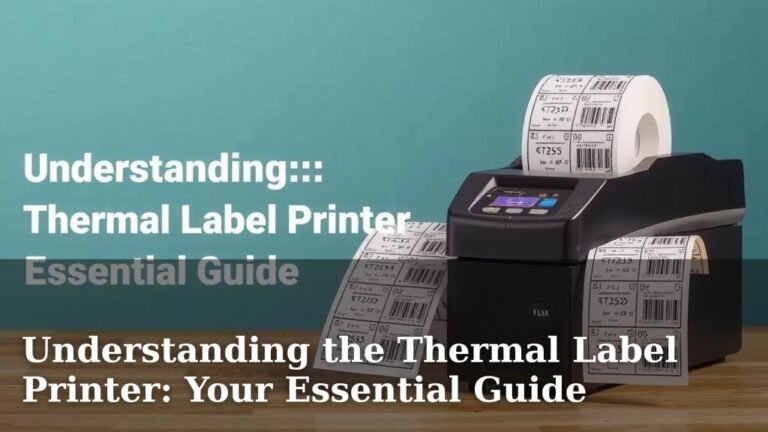
- Shipping and Logistics: Creating shipping labels is another major use. The durable, smudge-proof prints are essential for tracking packages.
- Healthcare: Wristbands and patient labels need to be durable and easy to read. Thermal printers handle this well.
- Manufacturing: Labeling products with barcodes and serial numbers requires robust prints.
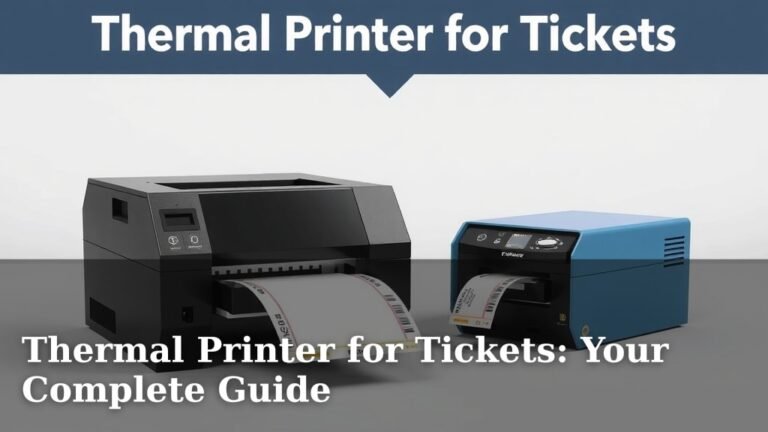
- Event Tickets: Fast printing of tickets for concerts or sporting events.
If your main goal is to print many identical labels or receipts quickly and reliably, a thermal printer is often your best bet. They are workhorses for these tasks. Many experts agree they offer the best total cost of ownership for high-volume labeling (Zebra Technologies Whitepaper).
When to Choose an Inkjet Printer
Inkjet printers are the go-to for versatility and creative output. If you need color and flexibility, this is likely your printer.
Best Use Cases for Inkjet
- Home Use: Printing homework, recipes, or occasional documents.
- Photography: Creating high-quality prints of your photos. Many photo enthusiasts swear by their inkjet printers.
- Graphic Design: Printing flyers, brochures, or marketing materials with vibrant graphics.
- Small Offices: Handling a variety of printing needs, from reports to occasional photos.
- Educational Settings: Printing colorful educational materials for classrooms.
If you value color reproduction and the ability to print on different paper types for various creative or professional projects, an inkjet printer is usually the way to go. They offer a broader artistic capability.
Cost Considerations: Upfront vs. Running Costs
Let’s talk money. It’s not just about the price tag you see in the store. You need to think about the long run.
Initial Purchase Price
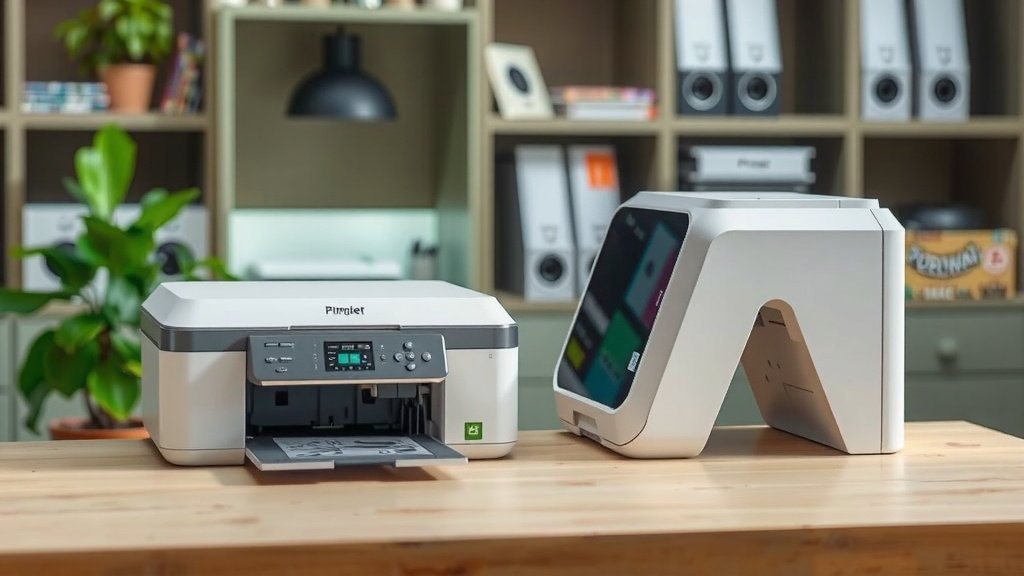
Generally, entry-level inkjet printers are cheaper to buy than comparable thermal printers. You can find basic inkjet models for under $100. Thermal printers, especially industrial-grade ones, can cost several hundred dollars or more. However, there are simpler direct thermal printers available for small businesses that are more budget-friendly.
Ongoing Expenses
This is where the tables can turn. Inkjet printers require frequent replacement of ink cartridges. These cartridges can be surprisingly expensive. Over time, the cost of ink can far exceed the initial printer price.
Thermal printers, particularly direct thermal models, don’t use ink. They do require special thermal paper, which has its own cost. However, the absence of ink cartridges often makes them more cost-effective for high-volume printing. Some research indicates that for printing over a certain threshold of labels per month, thermal printers become cheaper in the long run (Labeling Trends Report). You won’t have the surprise of an ink cartridge running dry right before a deadline!
Durability and Longevity of Prints
How long do you need your printed item to last? This is a key factor.
Thermal Print Durability
Thermal prints are fused into the paper. This makes them quite resilient. They resist smudging and fading from normal handling. They are great for items that get handled a lot, like shipping labels or receipts. However, as mentioned, extreme heat or UV light can degrade them over time. For truly long-term archival needs, they might not be the first choice.
Inkjet Print Durability
Inkjet prints can be beautiful, but they are often more delicate. Standard inkjet prints can smudge if they get wet. The inks themselves can also fade over time, especially when exposed to light. There are pigment-based inks and special photo papers that significantly improve durability. But, for everyday use where prints might be handled frequently, thermal often wins on sheer toughness.
Making Your Final Decision: A Quick Checklist
Still not sure? Let’s summarize with a few quick questions to guide you.
- Do you need to print in color? (If yes, lean towards inkjet.)
- Are you printing primarily receipts or shipping labels? (If yes, lean towards thermal.)
- Is print durability against smudging and fading a top priority? (If yes, lean towards thermal.)
- Do you plan to print many pages or labels regularly? (Consider the long-term running costs – thermal might be cheaper.)
- Are you printing photos or graphics where color accuracy and vibrancy are crucial? (If yes, lean towards inkjet.)
- Do you want the lowest possible upfront cost for a basic home printer? (Inkjets often have a lower entry price.)
By considering these points, you’ll be much closer to finding the printer that truly fits your lifestyle or business needs. It’s all about matching the technology to the task!
Conclusion
So, you’ve seen how thermal and inkjet printers are different tools for different jobs. Thermal printers excel at quick, durable prints like receipts and shipping labels with minimal fuss. Inkjets offer vibrant color for photos and graphics, giving you creative freedom. When making your choice, think about your primary printing needs. Do you need color and versatility for home or design work? Inkjet is likely your path. Are you printing lots of labels or receipts where speed and smudg-resistance matter most? A thermal printer will serve you better. By matching the printer’s strengths to your tasks, you’ll find the perfect fit and avoid unnecessary costs or frustration down the line. Start by listing out what you print most often!
Frequently Asked Questions
Can I print photos with a thermal printer?
Generally, no. Thermal printers are designed for black-and-white output, making them unsuitable for vibrant, full-color photographs. While some specialized thermal transfer printers can use color ribbons, they are not ideal for photographic quality compared to an inkjet.
How often do inkjet printers need ink refills?
The frequency of ink refills for inkjet printers depends heavily on your usage. Printing many pages, especially those with color or high-quality images, will deplete ink faster than occasional text documents. It’s wise to keep a spare set of cartridges on hand.
Are thermal printers noisy?
No, thermal printers are remarkably quiet. They don’t use noisy mechanisms like ink spraying or impact printing. You’ll notice a gentle whirring sound as they print, making them ideal for quiet environments.
Which type of printer is better for home use?
For most home users, an inkjet printer is usually the better choice. They offer the flexibility to print documents, homework, and especially color photos on various paper types, which is more aligned with typical home printing needs.
Will thermal print labels fade in sunlight?
Yes, direct thermal prints can fade if exposed to direct sunlight or heat for extended periods. This is because the paper itself is heat-sensitive. For applications requiring extreme longevity or outdoor use, thermal transfer labels printed with durable ribbons are a better option.