Thermal Printing Cost Breakdown: What You Need to Know
The cost of thermal printing can range from under a dollar for small labels to several dollars for larger tags, depending heavily on the label material and printer type. Direct thermal labels are typically cheaper upfront because they don’t need ink. Thermal transfer labels cost a bit more, but the labels themselves are often less expensive than direct thermal ones. It’s a trade-off for durability.
When budgeting, consider not just the price of the labels, but also the printer’s initial investment. You’ll also need to factor in the cost of ribbons if you choose thermal transfer. Shipping costs for supplies and potential maintenance can add up too. Thinking about these factors early helps you avoid surprise expenses down the road.
- Label costs vary by type (direct thermal vs. thermal transfer).
- Printers have an upfront cost, and ribbons add to thermal transfer expenses.
- Durability needs affect which label type is most cost-effective.
- Don’t forget shipping and potential maintenance costs.
Let’s break down the different factors that influence the total cost of thermal printing, so you can make the best choice for your needs.
Understanding the Investment in Thermal Printing
So, you’re looking into thermal printing and wondering about the costs involved. It’s a smart question to ask before diving in! Thermal printing offers speed and clarity, but like any tool, it has an investment attached. We’ll break down exactly what goes into that price tag, from the machine itself to the labels you’ll be using day in and day out.
The Two Main Flavors of Thermal Printing: Costs and Differences
When you’re thinking about thermal printing, the biggest cost driver is the type of technology you choose. This is usually a toss-up between direct thermal and thermal transfer. Each has its own strengths and, you guessed it, its own price point.
Direct Thermal Printing: Simplicity and Upfront Savings
Direct thermal printing is often the go-to for simple, everyday printing needs. Think shipping labels or receipts. The magic here is that it doesn’t need any extra supplies like ink or toner.
How does it work? The printer has a heated printhead. This head touches special heat-sensitive paper. When heated, the paper turns black. It’s like a mini-hot plate for paper, making it super straightforward.
The cost of direct thermal labels themselves is generally lower. You’re buying a label that reacts to heat. No ribbons means one less thing to buy and replace. This can lead to lower per-label costs, especially for high-volume printing of basic labels.
However, there’s a trade-off. Direct thermal labels aren’t the most durable. They can fade when exposed to heat, sunlight, or even just friction over time. If your labels need to last a long time or withstand tough conditions, this might not be your best bet. Research from the printing industry suggests that fading can occur within months in direct sunlight (National Association of Printing Ink Manufacturers).
Thermal Transfer Printing: Durability for the Long Haul
Now, let’s talk about thermal transfer printing. This method is your champion when you need labels that are built to last. It’s perfect for product identification, asset tracking, or anything that needs to be readable for years.
Here’s the secret sauce: thermal transfer printers use a thermal ribbon. This ribbon contains a wax or resin ink. The printhead heats the ribbon, melting the ink onto the label material. This creates a much more permanent image.
The cost of thermal transfer involves more than just the labels. You also need to budget for those ribbons. Ribbons are consumables, meaning you’ll be buying them regularly, especially if you print a lot.
The labels for thermal transfer can sometimes be a bit cheaper than direct thermal labels, per piece. This is because the label material doesn’t need to be heat-sensitive. It can be made of paper, polyester, or even vinyl. However, the overall cost per label will be higher when you factor in the ribbon. We found that a typical roll of ribbons can cost anywhere from $10 to $30, depending on size and type.
But for that extra cost, you get serious durability. These labels can resist fading, moisture, and abrasion. This means your information stays clear and readable, reducing the need for reprinting due to damaged labels. For example, labels used in outdoor environments or on industrial equipment benefit greatly from this technology.
| Factor | Direct Thermal | Thermal Transfer |
|---|---|---|
| Label Cost (per label) | Generally Lower | Can be Lower (material only) |
| Ribbon Cost | None | Required (additional cost) |
| Durability | Lower (fades with heat/light) | Higher (resistant to fading/wear) |
| Initial Printer Cost | Similar range to Thermal Transfer | Similar range to Direct Thermal |
| Best For | Receipts, shipping labels, short-term use | Product labels, asset tags, long-term applications |
The Price of the Printer Itself
Beyond the labels and ribbons, you need the printer. The initial investment in a thermal printer can vary quite a bit. You’re looking at anything from around $100 for basic desktop models to several thousand dollars for industrial-grade machines.
Desktop Printers: Your Everyday Workhorses
For small businesses or home offices, desktop thermal printers are often the perfect fit. They’re compact and designed for moderate printing volumes. You can find reliable models for about $150 to $500.
These printers are great for printing shipping labels for your online store or creating product tags for craft fairs. They offer a good balance of performance and affordability. Think of them as your reliable assistant, always ready to print.
Industrial Printers: Built for the Big Leagues
If your business operates on a larger scale, with high-volume printing needs, you might need an industrial thermal printer. These machines are built to withstand constant use in tough environments. They can be significantly more expensive, often starting at $1,000 and going up to $5,000 or more.
Industrial printers offer greater speed, wider print widths, and more robust construction. They are designed for factories, warehouses, and distribution centers where printing is a continuous operation. These are the heavy-duty machines that keep operations moving smoothly.
Label Material Matters: More Than Just Paper
We’ve touched on label materials, but it’s worth a deeper dive. The type of material you choose for your labels has a direct impact on both cost and performance.
Paper Labels: The Budget-Friendly Option
The most common and often cheapest option is paper. It’s great for general-purpose labeling. However, paper labels can be susceptible to tears and moisture. They are best suited for indoor environments where durability isn’t a primary concern.
You’ll find that coated paper labels offer some resistance to smudging, but they still aren’t the most robust choice. For the lowest upfront label cost, paper is often the way to go.
Synthetic Labels: Durability and Resilience
When you need labels that can handle more, synthetic materials like polyester or polypropylene are the answer. These are essentially plastic-based labels. They are much more resistant to water, chemicals, and extreme temperatures.
The trade-off? Synthetic labels cost more upfront than paper labels. They can range from two to ten times the price of basic paper labels, depending on the specific material and size. But, for applications like asset tags, laboratory samples, or outdoor signage, the extra cost buys you peace of mind.
Consider labels for freezer items or chemical containers. These absolutely need synthetic materials. A regular paper label would likely be ruined quickly. The initial higher cost prevents future problems and ensures readability, saving money in the long run.
Hidden Costs: Don’t Forget These Extras!
Beyond the printer, labels, and ribbons, there are a few other expenses you should keep in mind. These aren’t always obvious when you’re first looking at the sticker price.
Shipping and Handling Fees
Like most things you buy online, your thermal printing supplies will likely come with shipping fees. If you’re buying labels and ribbons in bulk, these costs can add up. Sometimes, free shipping offers are available if you meet a certain order minimum.
Maintenance and Repair
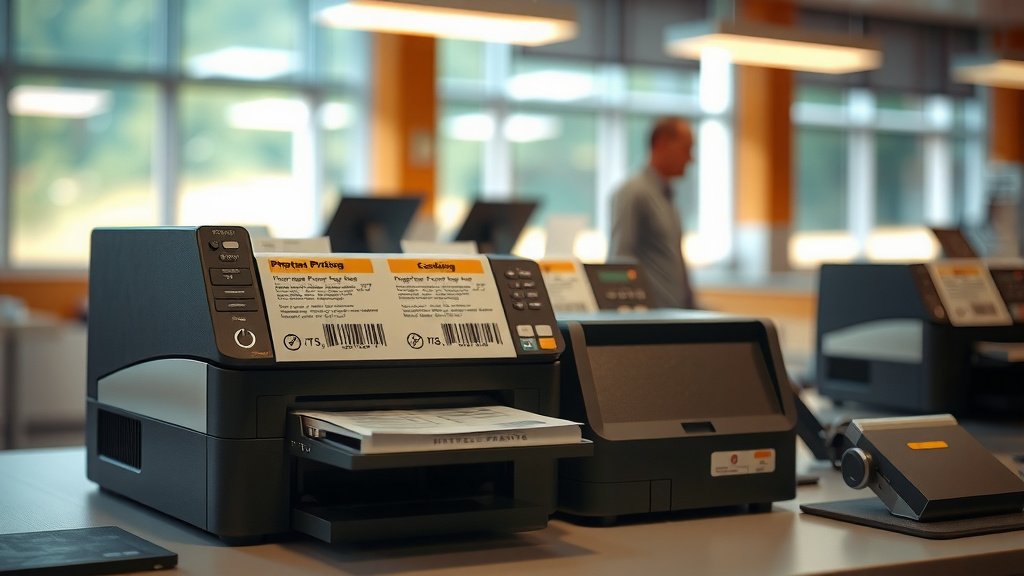
No machine is perfect, and thermal printers may eventually need maintenance. Printheads can wear out over time and may need replacement. This can be a significant expense, sometimes costing a few hundred dollars for a desktop printer. Keeping your printer clean and following manufacturer guidelines can help extend the life of these components.
We found that many experts suggest regular cleaning of the printhead and platen roller. This simple maintenance can prevent premature wear. It’s like changing the oil in your car – it keeps things running smoothly.
Software and Integration Costs
While many thermal printers come with basic software, you might need more advanced labeling software for complex designs or database integration. These specialized software packages can add to your overall cost. If you need to integrate your printing system with existing inventory management or ERP software, there might be additional setup or licensing fees involved.
Making the Smart Choice for Your Budget
To sum it up, the cost of thermal printing isn’t just about the price tag on a box of labels. It’s about understanding the whole picture: the printer, the label material, the ribbons (if applicable), and those little extras.
Think about what you’re printing and how long it needs to last. For everyday shipping labels, direct thermal is usually the most cost-effective. For durable product labels or harsh environments, thermal transfer is a better long-term investment. Your needs will guide you to the right balance of upfront cost and ongoing expenses.
Your Quick Cost-Saving Checklist:
- Choose the right printer type for your volume.
- Compare direct thermal vs. thermal transfer for your specific needs.
- Buy labels and ribbons in bulk for better pricing.
- Factor in shipping costs when comparing suppliers.
- Perform regular printer maintenance to avoid costly repairs.
- Consider long-term durability to avoid reprinting costs.
Conclusion
When figuring out the cost of thermal printing, remember it’s more than just the price of labels. You’ve learned that your choice between direct thermal and thermal transfer impacts ongoing expenses. The printer’s initial cost and the material of your labels are also big pieces of the puzzle. Don’t forget those smaller costs like shipping and potential repairs. To make the smartest choice, think about how durable your labels need to be and how much you’ll be printing. Take a moment to compare direct thermal versus thermal transfer for your specific needs. This will help you find the best long-term value.
Frequently Asked Questions
How much more expensive are thermal transfer ribbons compared to direct thermal labels?
Thermal transfer printers require ribbons, which add to your ongoing costs. While direct thermal labels don’t have this extra consumable, thermal transfer ribbons themselves can range from $10 to $30. Research shows this added cost is necessary for the increased durability you get.
Are synthetic labels always more expensive than paper labels?
Yes, synthetic labels like polyester or polypropylene typically cost more upfront than basic paper labels. You can expect them to be two to ten times the price of paper labels. However, their superior resistance to water, chemicals, and heat often makes them more cost-effective for demanding applications.
Can I use any type of thermal printer for high-volume printing?
No, you need to match the printer to your volume needs. Desktop printers are great for moderate use, but for high-volume industrial printing, you’ll need more robust and expensive industrial printers. These are built for continuous operation and can cost thousands of dollars.
What are the most common “hidden” costs associated with thermal printing?
Beyond the printer and labels, watch out for shipping fees for your supplies, especially when buying in bulk. Also, consider potential maintenance costs; printheads wear out over time and can be expensive to replace. Specialized software might also add to your initial investment.
Is direct thermal printing cheaper in the long run if I print a lot?
Direct thermal printing can be cheaper upfront for high volumes because you eliminate the cost of ribbons. However, if your labels need to last and withstand environmental factors, the fading and lower durability of direct thermal might lead to costly reprinting. In such cases, thermal transfer could be more economical long-term.