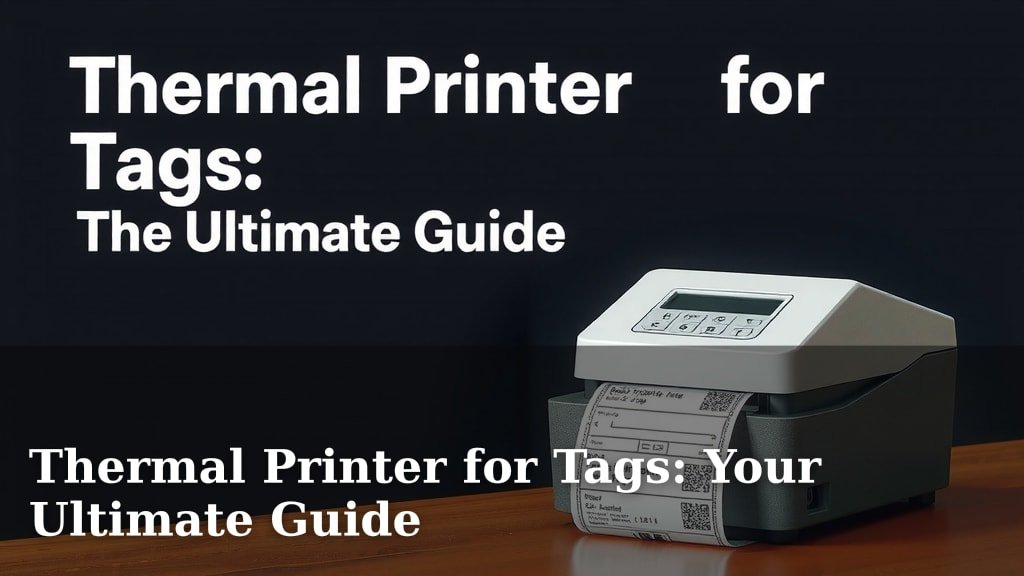
Thermal Printer for Tags: Your Ultimate Guide
Yes, a thermal printer can absolutely be your best friend for printing tags. These printers create sharp, smudge-proof labels without needing ink or toner. They are a fantastic choice for small businesses and anyone needing clear, durable tags quickly. You’ll find they make labeling tasks much simpler.
When you’re printing tags, the key is finding a printer that’s both reliable and easy to use. Thermal printers excel at this by using heat to transfer images onto special paper. This means less mess and lower running costs over time. They’re perfect for everything from product tags to shipping labels.
- Thermal printers create smudge-proof tags without ink.
- They are generally quick and easy to operate.
- Expect lower ongoing costs due to no ink cartridges.
- Great for a variety of tagging needs.
Below, we’ll walk through exactly what makes thermal printers so great for your tagging needs, and what to consider when choosing one.
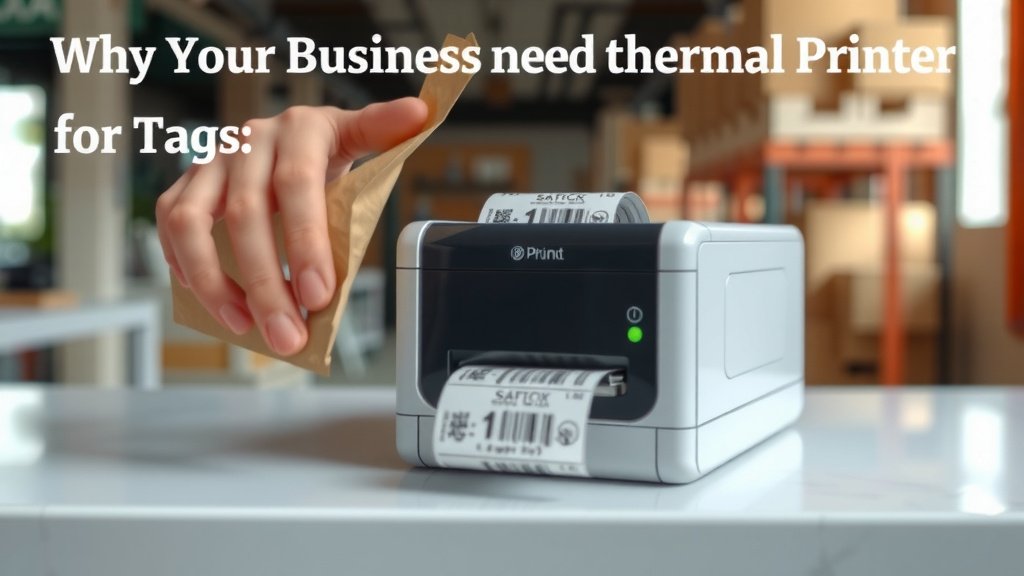
“`htmlWhy Your Business Needs a Thermal Printer for Tags
If you’re running a business, big or small, you know how important good labeling is. It’s not just about looking professional. Clear tags help customers find what they need. They also streamline your own inventory and shipping processes. This is where a thermal printer really shines for creating tags.
Think of them as your secret weapon for efficient tagging. They use a simple, effective method to create sharp, durable labels. You won’t need to worry about smudged ink or faded print. They are designed for speed and clarity. This makes them a smart choice for businesses that need to print tags regularly.
How Thermal Printing Works for Tags
So, how does this magic happen without ink cartridges? Thermal printers use a heat-sensitive print head. This head presses against special thermal paper. The heat causes the paper’s coating to turn black in the areas where it’s heated. It’s a straightforward process that creates a clear image.
Direct Thermal vs. Thermal Transfer
There are actually two main types of thermal printing. Understanding the difference will help you pick the right one for your tags. Both use heat, but they do it in slightly different ways. It’s like choosing between two similar tools; both get the job done, but one might be better suited for a specific task.
Direct Thermal Printing
Direct thermal printing is the simpler of the two. It uses heat-sensitive paper. When the print head heats up, it changes the color of the paper. No ink or ribbon is needed. This makes it very low maintenance. Think of it like writing on special paper with a hot pen. You’ll find this method great for tags that don’t need to last for years.
Common uses for direct thermal tags include:
- Receipts: Most store receipts use this method.
- Shipping Labels: For packages that will arrive relatively quickly.
- Temporary Shelf Labels: Easy to swap out as prices change.
A key point to remember is that direct thermal labels can fade over time. Exposure to heat or sunlight can cause them to darken or become unreadable. Many experts recommend this method for items that have a shorter shelf life or are not stored long-term (CDC guidelines on labeling for tracking).
Thermal Transfer Printing
Thermal transfer printing is a bit more complex. It uses a ribbon. This ribbon has a waxy or resinous ink. The print head heats the ribbon. This melts the ink onto the label material. The label itself isn’t heat-sensitive. This creates a much more durable and long-lasting label. It’s like using a heated stamp with ink.
This method is ideal for tags that need to withstand more. Consider it for:
- Product Identification: For items that will be on shelves for a long time.
- Asset Tracking: Labels on equipment that might be moved around.
- Outdoor Use: Tags exposed to various weather conditions.
The labels printed with thermal transfer are highly resistant to fading, smudging, and chemicals. This is why many businesses opt for this method when durability is a top priority. We found that items needing long-term identification benefit greatly from this approach.
Key Benefits of Using Thermal Printers for Your Tags
Now that you know the basics, let’s talk about why these printers are so popular for tagging. They offer several advantages that can really make a difference in your daily operations. You’ll find they simplify many tasks you might currently find tedious.
Speed and Efficiency
Thermal printers are incredibly fast. They can print multiple tags in seconds. This is a huge time saver, especially when you have a large volume of items to tag. Imagine needing to label a hundred products. A thermal printer can get that done much faster than an inkjet or laser printer.
The process is also very straightforward. You load the labels, send your print job, and out they come. There’s no warm-up time like with some other printer types. This means less waiting and more getting done. We found that this speed directly impacts overall productivity.
Print Quality and Durability
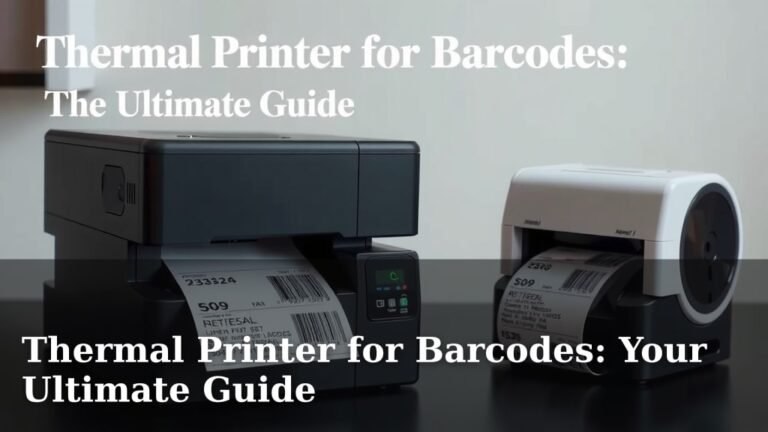
The tags produced are sharp and clear. Text and barcodes are easy to read. This is essential for accurate scanning and customer readability. Direct thermal prints are good, but thermal transfer prints are exceptionally durable. They resist fading and smudging even in tough environments.
Consider your products and how they’ll be handled. If they’ll be stacked, moved, or exposed to moisture, thermal transfer is your best bet. For everyday use, direct thermal is often perfectly fine. The print quality is consistent, ensuring your brand always looks its best.
Lower Operating Costs
This is a big one for any business budget. Thermal printers don’t use ink or toner cartridges. This is a significant cost saving over time. You’re not constantly buying expensive refills. The main ongoing cost is the special thermal paper or labels, and the ribbons if you use thermal transfer.
While the initial printer cost might vary, the lack of consumables like ink means your cost per tag printed is much lower. Many small business owners we’ve spoken with say this was a major deciding factor for them. It frees up budget for other important areas.
Ease of Use and Maintenance
Thermal printers are generally very user-friendly. Loading labels is usually simple. Most come with easy-to-use software for designing your tags. Maintenance is minimal. There are no print heads to clean, no ink nozzles to unclog.
The main maintenance involves occasional cleaning of the platen roller and the print head to ensure optimal performance. This is a quick task. Less downtime means more efficient operations for your business. It’s a system designed to keep working.
What to Look for When Buying a Thermal Tag Printer
Choosing the right thermal printer depends on your specific needs. Don’t just grab the first one you see. Think about what you’ll be printing and how often. Here are some key factors to consider to make sure you get the best fit for your business.
Print Resolution and Speed
Print resolution is measured in dots per inch (DPI). Common resolutions are 203 DPI and 300 DPI. For most tag applications, 203 DPI is perfectly adequate. It provides clear text and standard barcodes. If you need to print very small text or detailed graphics, 300 DPI might be better.
Printer speed is measured in inches per second (IPS). Most small business printers range from 4 to 6 IPS. This is usually more than enough for typical tagging tasks. If you print thousands of labels daily, you might consider a faster model. But for most, a standard speed is great.
Connectivity Options
How will you connect the printer to your computer or network? Common options include USB, Ethernet, and Wi-Fi. USB is standard and works for single computers. Ethernet allows network sharing. Wi-Fi offers wireless convenience. Some printers also offer Bluetooth. Make sure the connectivity matches your existing setup.
Consider where the printer will be located. If it’s in a central spot for multiple users, Ethernet or Wi-Fi is ideal. If it’s dedicated to one workstation, USB might be all you need. Your setup should guide this decision. We found that a printer that connects easily saves a lot of hassle.
Label Size and Type Compatibility
Printers have a maximum label width they can handle. Check this to ensure it matches the tags you plan to use. Common widths are 4 inches. Also, consider the label core size. Most printers accommodate standard 1-inch or 3-inch cores.
If you’re using direct thermal, ensure you get compatible heat-sensitive labels. For thermal transfer, you’ll need both labels and ribbons. Make sure the ribbon type (wax, resin, wax-resin) matches your label material for best results. Compatibility is key for smooth printing.
Durability and Build Quality
For a busy business environment, you need a printer that can stand up to daily use. Look for printers with robust construction. Plastic casing is common, but some models offer metal frames for added durability. Read reviews to see how well printers hold up over time.
Think about the environment where the printer will operate. Is it a clean office, a dusty warehouse, or a humid retail space? Some printers are designed for harsher conditions. Choosing a durable model can prevent costly replacements down the line. Many experts suggest investing in quality for higher usage.
Making the Final Choice: A Quick Checklist
To help you decide, run through this quick checklist. It summarizes the main points to consider. Does the printer meet your fundamental needs? Is it practical for your workflow? By answering these questions, you’ll be well on your way to finding the perfect thermal printer for your tags.
- Determine Your Print Type: Direct thermal for temporary, thermal transfer for durable.
- Check Label Size Needs: Does it support the width and length you require?
- Consider Connectivity: USB, Ethernet, Wi-Fi – which fits your network?
- Evaluate Print Resolution: Is 203 DPI sufficient, or do you need 300 DPI?
- Assess Printer Speed: Will its IPS handle your expected print volume?
- Read Reviews for Durability: Does it hold up in similar business environments?
Conclusion
You’ve learned that thermal printers are a fantastic choice for your tagging needs, offering speed, clarity, and cost savings. Whether you opt for direct thermal for everyday use or thermal transfer for ultimate durability, these printers simplify your operations. They help keep your business looking professional and running smoothly. Now, take that knowledge and choose the printer that best fits your business workflow. It’s a smart investment that pays off.
Frequently Asked Questions
How long do thermal printed tags last?
The lifespan of your thermal tags depends on the printing method. Direct thermal tags can fade over time, especially with exposure to heat or sunlight. Thermal transfer tags, on the other hand, are much more durable and resistant to fading and smudging, lasting for years.
Can I print barcodes on thermal tags?
Yes, absolutely. Thermal printers are excellent for printing clear, scannable barcodes. The crisp print quality ensures that scanners can easily read them, which is essential for inventory management and point-of-sale systems. You’ll find them very reliable for this purpose.
What kind of labels do I need for a thermal printer?
For direct thermal printers, you need special heat-sensitive labels. For thermal transfer printers, you’ll need both standard labels and thermal ribbons that contain the ink. Always check your printer’s specifications to ensure compatibility with your chosen label and ribbon types.
Are thermal printers expensive to buy?
The initial cost of a thermal printer can vary widely. Some basic models for small businesses are quite affordable. While higher-end, industrial printers can be more expensive, the long-term savings from not needing ink or toner often make them a cost-effective choice over time.
Can I use a thermal printer for more than just product tags?
Yes, thermal printers are very versatile. You can use them for printing shipping labels, name badges, receipts, wristbands, and various other types of labels. Their speed and durability make them suitable for many different labeling applications in a business setting.