Why Thermal Receipts Fade: The Science Explained
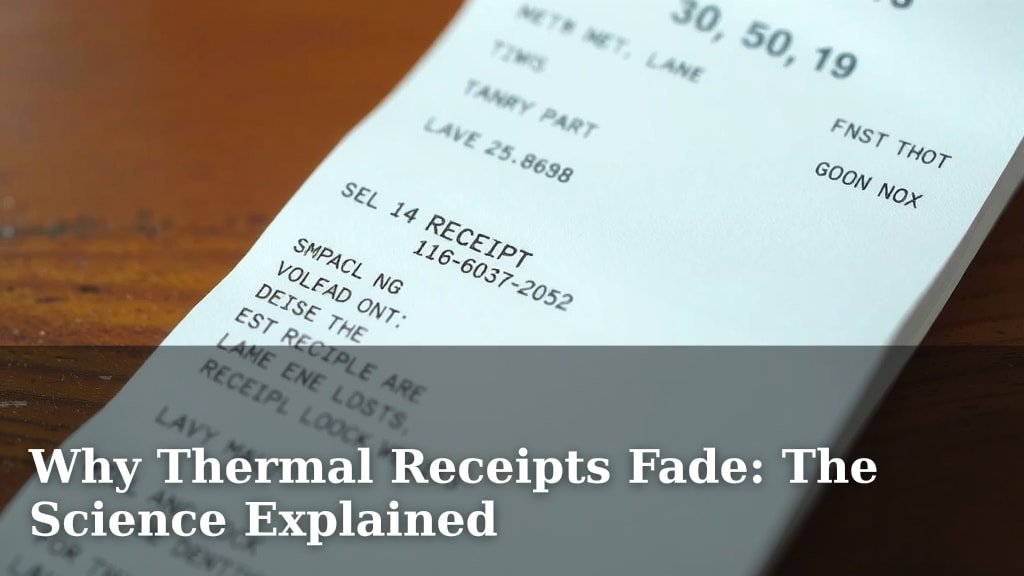
Receipts fade over time primarily because the ink used on them is a type of thermal ink. This ink reacts to heat, but it’s also sensitive to light and friction, causing the text to disappear. So, that shopping receipt you kept might not last forever, sadly.
Many people wonder why their important purchase records vanish. We found that the paper itself, often a type of specialized thermal paper, plays a role. It contains a dye that turns black when heated during printing. Without proper storage, this dye breaks down over time, especially when exposed to everyday elements.
- Receipt ink is usually thermal, reacting to heat.
- Light, heat, and friction degrade the ink.
- Special thermal paper is also sensitive to these conditions.
- Proper storage can slow down the fading process.
Let’s dive into why this happens and what you can do to keep your important receipts readable for longer.
It’s frustrating, isn’t it? You squirrel away a receipt for a big purchase, thinking you’re being super responsible, only to pull it out months later and find a blank piece of paper. Where did the ink go? Why do receipts fade so quickly? You’re not alone in wondering. We’ve looked into it, and the answer lies in the special materials used to print those little slips of paper.
The Science Behind Fading Receipts
Receipts fade over time mainly due to the thermal ink and specialized paper used. This technology is quick and cost-effective for printing. But it comes with a downside: fragility. The disappearing ink isn’t magic; it’s chemistry.
How Thermal Paper Works
Most receipts you get today are printed on thermal paper. This isn’t your ordinary printer paper. It’s coated with a special dye and a developer. When heated by the printer’s print head, these two chemicals react. This reaction creates the dark image you see on the receipt. Think of it like a magic trick, but one that fades away.
The Chemistry of the Ink
The “ink” isn’t actually ink in the traditional sense. It’s a solid compound, often a leuco dye. This dye is mixed with a developer, usually an acidic substance. Heat is the catalyst that brings them together. When the thermal printer applies heat, the dye melts and reacts with the developer. This creates a visible mark. Without heat, they remain separate and invisible.
Why This Reaction Doesn’t Last
The very reaction that prints your receipt also makes it susceptible to fading. The dye and developer are sensitive. Exposure to light, heat, and even simple friction can trigger this reaction prematurely or degrade the compounds. This causes the printed image to weaken and eventually disappear. It’s a bit like leaving a drawing out in the sun; the colors eventually fade.
The Role of Environmental Factors
Beyond the paper and ink itself, the environment plays a huge role. What you do with your receipt after you get it matters. Even seemingly harmless actions can speed up the fading process. We found that understanding these factors can help you protect your important records.
Heat and Light: The Main Culprits
Heat is a primary enemy of thermal receipts. Leaving them in a hot car, on a sunny windowsill, or even in your pocket on a warm day can cause the dye to react. This leads to premature fading. Similarly, UV light from the sun is very damaging. It breaks down the chemical compounds in the paper and dye. This causes the image to fade and can even turn the paper yellow or brown. Think of it as the receipt getting a sunburn.
Friction and Moisture: Unexpected Threats
You might not realize it, but friction can also cause fading. When receipts rub against each other in a wallet or purse, the heat generated can activate the dye. Moisture is another sneaky cause. If a receipt gets damp, the chemicals can react or break down. This leads to smudging or complete fading. Even handling the receipt too much can transfer oils from your skin, which can affect the paper over time.
Chemical Exposure: The Unseen Danger
Certain common substances can also wreak havoc on your receipts. Things like hand sanitizers, lotions, and even some cleaning products contain chemicals that react with thermal paper. If these come into contact with your receipt, they can cause the printed image to disappear. It’s like a chemical attack on your important document. Experts suggest keeping receipts away from such substances.
Why Keeping Receipts Matters
Even though they fade, receipts serve important purposes. Knowing why they fade helps us appreciate the need to preserve them when we can. They are more than just paper; they are proof.
For Returns and Exchanges
This is perhaps the most common reason people keep receipts. If you buy something and need to return it, the store almost always requires proof of purchase. A faded receipt can be useless in this situation. Imagine trying to return a faulty appliance, only to find the receipt is blank. It’s a frustrating scenario.
For Warranty Claims
Many products come with warranties. These warranties often require you to present the original receipt as proof of purchase date. Without a readable receipt, your warranty claim could be denied. This leaves you footing the bill for repairs or replacements. Research from consumer protection agencies often highlights the receipt as key documentation for warranty activation.
For Tax Purposes and Budgeting
If you’re self-employed or itemize deductions, receipts are vital for tax season. They provide the documentation needed to support your expenses. For personal budgeting, receipts help you track where your money is going. A faded receipt makes these tracking and accounting tasks impossible. It’s like trying to balance a checkbook with missing numbers.
For Proof of Ownership
Sometimes, a receipt is the only proof you have that you bought a particular item. This can be important for insurance claims after a theft or damage. If you need to prove you owned an item, a clear receipt is invaluable. Without it, you might struggle to get reimbursement.
Strategies for Preserving Your Receipts
Since receipts are so prone to fading, you might wonder if there’s anything you can do. The good news is, yes! With a few simple steps, you can significantly extend the life of your important receipts. It’s about being mindful of how you store them.
The “Do Not” List for Receipt Storage
Before we get into what to do, let’s cover what to avoid. These are the quick-fading pitfalls you want to steer clear of:
- Do not leave them in direct sunlight.
- Do not store them in hot places, like your car dashboard or a hot garage.
- Do not fold them repeatedly or put them in tight spaces where they’ll rub.
- Do not store them near chemicals, lotions, or sanitizers.
- Do not let them get wet.
Smart Storage Solutions
When you get a receipt you need to keep, think about its future. What environment will help it survive? We found that a few methods really make a difference. The goal is to shield the receipt from the elements that cause fading.
The Paper Clip or Staple Method (Use with Caution)
Some people attach receipts to the original documents or group them with paper clips. While this keeps them together, be aware that the metal clips can sometimes leave marks or cause wear over time. If you use this, try to avoid direct contact with the printed area and don’t over-clip.
The Envelope System
A simple manila envelope can be a receipt’s best friend. Store your receipts inside an envelope. This protects them from light and friction. You can then store these envelopes in a box or a file cabinet. Labeling the envelopes makes them easy to find later.
Plastic Sleeves and Photo Albums
For important receipts, consider placing them in a clear plastic sleeve, like those used for trading cards or documents. These sleeves offer a good barrier against moisture and handling. You can then organize these sleeves in a binder or a photo album. This method keeps them flat and protected. Many financial advisors recommend this for tracking significant purchases.
The Photocopy or Scan Option
Perhaps the most reliable method is to create a backup. As soon as you get an important receipt, make a photocopy. If you have a scanner, scan the receipt and save it digitally. Many smartphone apps can also scan documents effectively. Store these copies in a safe place, separate from the original. This ensures you have a readable record, even if the original fades completely.
Choosing the Right Paper for Long-Term Needs
If you’re printing something yourself and need it to last, consider using regular paper and a standard printer. Thermal paper is convenient for quick prints like receipts, but it’s not designed for longevity. For documents that need to withstand the test of time, conventional ink or toner on standard paper is a much better choice.
Here’s a quick checklist to help you manage your receipts:
- Sort new receipts immediately.
- Toss unnecessary ones.
- Store important ones in a cool, dry, dark place.
- Use envelopes or plastic sleeves for protection.
- Scan or photocopy critical receipts as backups.
- Review your receipt storage system annually.
Conclusion
You’ve learned why those shopping receipts seem to vanish into thin air. It’s all thanks to the special thermal paper and ink designed for quick printing. These materials are sensitive to heat, light, and friction, which causes the text to fade over time. While you can’t stop the fading entirely, you have the power to slow it down. By understanding the causes and using smart storage methods, you can keep your important purchase records readable for as long as you need them. Take action today to protect your proof of purchase for returns, warranties, and tax needs.
Frequently Asked Questions
Will my receipts fade if I just keep them in my wallet?
Keeping receipts in your wallet can contribute to fading. The constant friction from being in your wallet can generate heat. Also, your body heat and moisture can affect the thermal paper over time. It’s best to store important receipts in a cooler, drier place if you need them long-term.
Can I “fix” a faded receipt?
Unfortunately, once the chemical reaction has occurred and the dye has broken down, you can’t truly “fix” a faded thermal receipt. The fading is a permanent chemical change. Your best bet is to prevent fading from happening in the first place or to make a copy as soon as possible.
How long does it typically take for a receipt to fade?
The speed at which a receipt fades can vary greatly. If stored improperly, you might see significant fading within weeks or a few months. However, if kept in ideal conditions (cool, dark, dry, and away from friction), some receipts might remain readable for a year or more.
Is there any way to tell if a receipt is thermal paper?
Yes, there’s a simple test. Try gently scratching the surface with a fingernail. If it leaves a dark mark, it’s likely thermal paper. You can also try holding a heat source (like a lighter from a safe distance) near it to see if a mark appears. Regular paper won’t react this way.
Are digital receipts less prone to fading?
Digital receipts, like those emailed or saved to an app, do not fade in the same way physical thermal receipts do. They are essentially digital files. As long as the storage medium (your email account, cloud storage, or device) is functional and you can access the file, the receipt remains perfectly readable. This makes them a great alternative for long-term record-keeping.