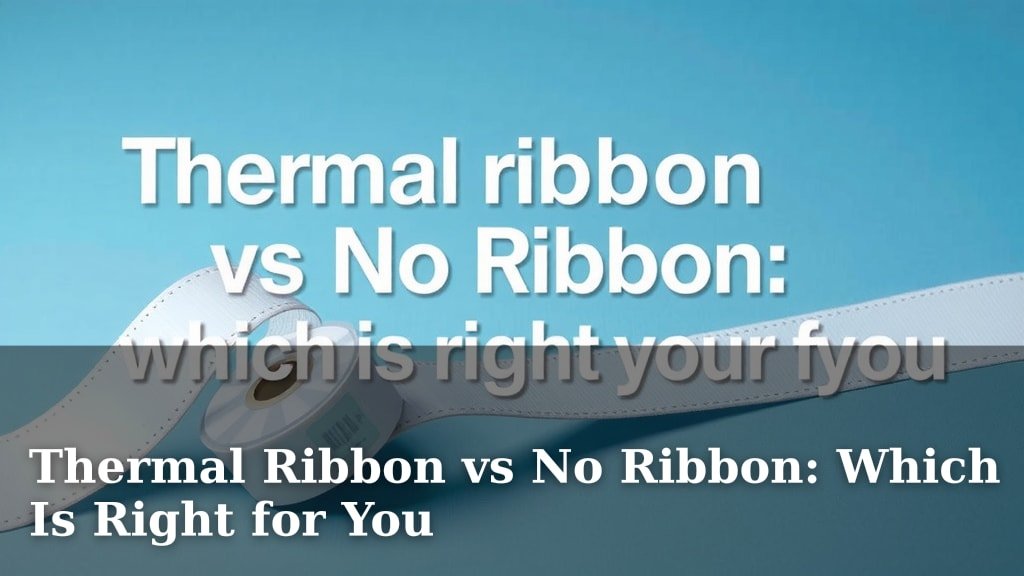
Thermal Ribbon vs No Ribbon: Which Is Right for You
Choosing between thermal ribbon and direct thermal printing comes down to durability and cost. Thermal ribbon printing, often called thermal transfer, offers longer-lasting labels that can withstand harsh conditions. Direct thermal printing is simpler and cheaper but produces labels that fade over time.
If your labels need to survive moisture, UV light, or rough handling, thermal ribbon is the way to go. For everyday items like shipping labels that don’t need to last forever, direct thermal can be a perfectly good choice. We’ve found that understanding your label’s intended use is key to making the right decision.
- Thermal ribbon (thermal transfer) creates durable labels.
- Direct thermal is simpler and cheaper but less durable.
- Choose thermal ribbon for harsh environments.
- Direct thermal works for everyday, short-term use.
- Your label’s purpose dictates the best method.
Let’s break down the pros and cons of each, so you can figure out which type of printing is best for your needs.
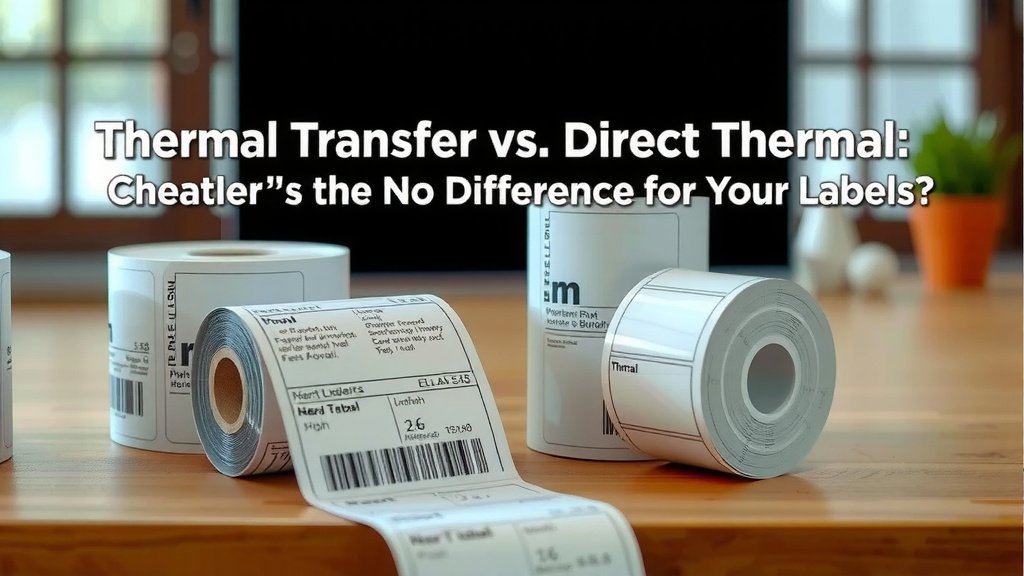
Thermal Transfer vs. Direct Thermal: What’s the Difference for Your Labels?
When you’re looking to print labels, you’ll likely bump into two main technologies: thermal transfer and direct thermal. They both use heat, but they work in very different ways. Understanding these differences is key. It helps you choose the right method for your specific needs and budget. We found that the main trade-off is between durability and initial cost.
Let’s break down how each works and where they shine. This will help you make a smart choice for your business or personal projects.
How Thermal Transfer Printing Works (It Uses a Ribbon!)
Think of thermal transfer printing like a tiny, sophisticated printer for your labels. It uses a thermal print head to heat up a ribbon. This ribbon has a special ink coating. When heated, the ink melts off the ribbon. It then transfers onto the label material.
This process creates a permanent image on the label. The result is a label that is resistant to fading, smudging, and scratching. It’s a bit like using a marker or ink pen, but with a heat-activated process. We found this method is great for making labels that need to last.
What You Need for Thermal Transfer
To use thermal transfer printing, you’ll need a few things:
- A Thermal Transfer Printer: This is the machine that does the printing.
- Thermal Ribbons: These come on spools and contain the ink.
- Your Label Stock: The labels themselves need to be compatible with thermal transfer.
The printer has a print head that gets hot. This heat then melts the ink from the ribbon onto the label. It’s a direct transfer of ink. We found that the type of ribbon and label material you use really impacts the final durability. There are wax, wax/resin, and full resin ribbons.
Choosing the Right Ribbon Material
The material of the thermal ribbon is a big deal. It affects how well your label holds up. Here’s a quick rundown:
- Wax Ribbons: These are the most common and cost-effective. They work best on porous or uncoated paper labels. They are good for general-purpose indoor use, like product identification tags that won’t be handled too much.
- Wax/Resin Ribbons: A good middle ground. They offer better durability than wax. They work well on coated paper labels and some synthetic materials. Think shipping labels or labels that might see a bit more handling.
- Resin Ribbons: These offer the highest durability. They are designed for harsh environments. They work on synthetic labels like polyester or polypropylene. These are perfect for outdoor use, chemical exposure, or high-abrasion applications.
The Pros of Thermal Transfer Printing
Why choose this method? Well, it comes with some solid advantages. You get exceptional durability. The printed image is permanent. It stands up well against smudging, scratching, and fading from UV light. This makes it ideal for applications where longevity is important.
It also works on a wider variety of label materials. You can print on paper, synthetic films, and even some fabrics. This versatility is a big plus for many businesses. We found that brands needing consistent, high-quality, long-lasting labels often rely on this method.
The Cons of Thermal Transfer Printing
Now, let’s look at the other side of the coin. Thermal transfer printing is generally more expensive. You have the added cost of the ribbons. Plus, the printers themselves can sometimes cost a bit more upfront. There’s also a bit more complexity involved.
You have to manage ribbon inventory. You also need to ensure you’re using the right ribbon for your label stock. If the ribbon isn’t compatible, you won’t get a good print. We found that the ongoing cost of ribbons adds up over time, especially for high-volume printing.
How Direct Thermal Printing Works (No Ribbon Needed!)
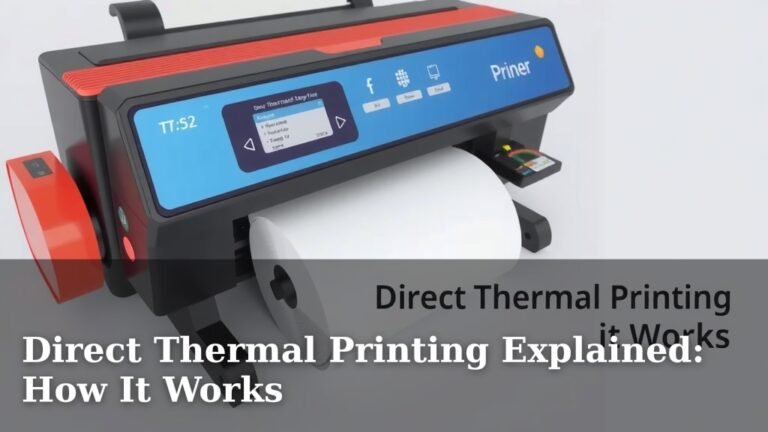
Direct thermal printing is much simpler. It doesn’t use an ink ribbon at all! Instead, it relies on special heat-sensitive label material. The thermal print head in the printer heats up specific spots on the label.
This heat causes a chemical reaction in the label material itself. It turns black where it’s heated. This creates the printed image directly on the label. It’s a very straightforward process, like using carbon paper but with heat. We found this simplicity is its biggest selling point.
What You Need for Direct Thermal
For direct thermal printing, your setup is simpler:
- A Direct Thermal Printer: This printer has a heat-sensitive print head.
- Direct Thermal Labels: These labels have a special coating that reacts to heat.
That’s it! No ribbons to buy or replace. The print head applies heat directly to the label material. The heat activates the dark chemical coating. It’s a clean and easy process. We found that many people love the lack of consumables beyond the labels themselves.
The Pros of Direct Thermal Printing
The biggest advantage here is the simplicity and lower cost. You don’t need to buy ink ribbons. This saves money on supplies. The printers are often less expensive, too. Plus, there are fewer moving parts and no ribbons to load or change. This means less maintenance and fewer potential issues.
It’s a great choice for printing on the go. Or for situations where you just need to quickly print a label. Many retail point-of-sale systems use direct thermal for receipts. We found that for businesses needing fast, no-fuss label printing for everyday items, direct thermal is often the go-to.
The Cons of Direct Thermal Printing
The main drawback is durability. Direct thermal labels are sensitive to heat, light, and chemicals. They can fade over time, especially if exposed to sunlight or high temperatures. Think of them like thermal receipt paper – leave them in your car on a hot day, and they’ll turn completely black!
The print is also susceptible to scratching and smudging. This makes them unsuitable for applications where the label needs to withstand rough handling or harsh environments. We found that while cheap and easy, the short lifespan of direct thermal labels can be a real problem for certain uses.
Direct Thermal vs. Thermal Transfer: A Quick Comparison
To help you visualize the differences, let’s put them side-by-side. This table summarizes the key points we’ve discussed.
| Feature | Thermal Transfer | Direct Thermal |
|---|---|---|
| Print Method | Ink ribbon melts onto label | Heat activates label material |
| Durability | High (fade, smudge, scratch resistant) | Low (fades with heat, light, chemicals) |
| Label Materials | Wide variety (paper, synthetic) | Special heat-sensitive labels only |
| Consumables | Labels + Ribbons | Labels only |
| Initial Cost | Often higher printer cost | Often lower printer cost |
| Ongoing Cost | Higher (ribbons) | Lower (no ribbons) |
| Best For | Long-lasting, durable labels; harsh environments | Short-term use; everyday items; receipts |
When Should You Use Each Method?
Deciding between thermal transfer and direct thermal really boils down to your intended use for the labels. Ask yourself these questions:
- How long does this label need to last? If it’s just for a few weeks or months, direct thermal might be fine. If it needs to last for years, thermal transfer is better.
- Where will the label be stored or used? If it’s going to be exposed to sunlight, heat, or chemicals, you need the durability of thermal transfer.
- How much handling will the label experience? If it’s going to be touched, rubbed, or exposed to moisture, thermal transfer is the safer bet.
- What is your budget for labels and printers? Direct thermal has lower upfront costs for supplies. Thermal transfer has ongoing costs for ribbons.
- What kind of information is on the label? If it’s critical information that must remain legible, like product identification or compliance labels, opt for thermal transfer.
Examples of Where Each Shines
Let’s look at some common scenarios:
- Shipping Labels: Often printed in high volume and might get handled roughly. Direct thermal is common due to speed and cost, but if they need to last for long-term inventory tracking, thermal transfer is superior.
- Product Labels: For products on shelves, you want them to look good and last. Thermal transfer is usually preferred for its resistance to fading and smudging.
- Asset Tags: These often need to last for years, even in tough conditions. Thermal transfer is the clear winner here.
- Medical Labels: Patient records or medication labels need to be permanent and legible. Thermal transfer is standard. Many healthcare guidelines recommend durable labeling solutions (CDC).
- Receipts: The quick, inexpensive print job of direct thermal is perfect for store receipts that don’t need to last forever.
- Outdoor Equipment Labels: These face sun, rain, and temperature changes. Only the robust print from thermal transfer (with resin ribbons) will hold up.
Making Your Final Choice: A Quick Checklist
To wrap things up, consider these points when making your decision. Having a clear plan will help you avoid printing headaches down the road.
- Confirm how long your labels must remain legible.
- Assess the environmental conditions the labels will face.
- Determine the level of physical contact the labels will endure.
- Calculate the total cost, including ongoing supply expenses.
- Choose the method that best matches your durability needs.
- Consider the type of label material required for longevity.
Conclusion
You’ve learned that the choice between thermal ribbon and direct thermal printing really hinges on your label’s purpose. Thermal transfer offers superior durability for long-lasting labels, ideal for harsh environments or critical information. Direct thermal provides a simpler, more cost-effective solution for everyday, short-term needs like receipts or temporary tags. We found that understanding how each method works and its limitations is key to making the right investment for your business. Your next step? Review your current label needs and identify where durability is non-negotiable, and where speed and cost are the top priorities.
Frequently Asked Questions
Can I use any label with a thermal transfer printer?
No, you can’t use just any label. Thermal transfer printers require specific label materials that are compatible with the heat and ink from the ribbon. We’ve found that using the wrong label stock can lead to poor print quality or even damage your printer’s print head.
How long will a direct thermal label last before fading?
Direct thermal labels can start to fade within months, especially when exposed to sunlight, heat, or friction. Their lifespan is highly variable, but they are generally best for items that are used or scanned quickly, as we noted in our research.
Is thermal ribbon printing truly waterproof?
Thermal transfer printing can be very water-resistant, but true waterproofing depends on the ribbon and label material used. For the best protection against moisture and chemicals, we recommend using resin ribbons with synthetic labels.
What happens if I put a thermal ribbon in a direct thermal printer?
You cannot use a thermal ribbon in a direct thermal printer because it’s not designed to handle one. Direct thermal printers use a heat-sensitive label material and don’t have the mechanism to melt ink from a ribbon.
Are direct thermal printers cheaper to operate long-term?
While direct thermal printers have a lower initial cost and no ribbon expenses, their limitations can lead to higher long-term costs if you need durable labels. If your direct thermal labels fade too quickly, you’ll end up reprinting them more often.