
Thermal Label Types Explained: Which Is Right For You
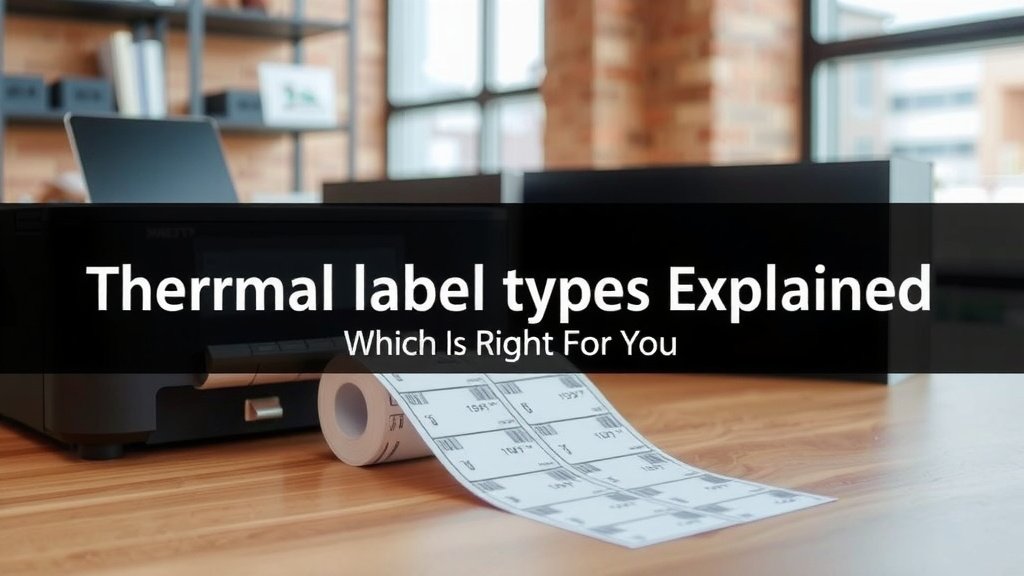
Thermal label types are explained by how they’re made and how they react to heat. Direct thermal labels print without ink, using heat to turn black. They’re great for shipping and receipts. Thermal transfer labels use a ribbon to melt ink onto the label for more durable prints. These are best for product tracking and barcodes.
Choosing the right thermal label type depends on your needs. Direct thermal is budget-friendly and quick for short-term use. Thermal transfer offers longevity and resistance to fading and chemicals. We found many businesses struggle to pick the best one. Understanding their differences in durability and application is key.
- Direct thermal: inkless, uses heat, good for receipts and shipping.
- Thermal transfer: uses ribbon and heat, prints are durable.
- Direct thermal is cheaper but fades.
- Thermal transfer costs more but lasts longer.
- Both are great for specific tasks.
Let’s break down the main types of thermal labels you’ll encounter and help you pick the perfect one for your job.
Understanding the Different Types of Thermal Labels
You’re looking to print labels, and you’ve heard about “thermal.” But what does that really mean for you? Thermal printing is a neat technology that uses heat to create an image. It’s used in many everyday items, from your grocery store receipts to shipping labels on your online orders. We found that many people wonder how these labels are different and which one is best for their situation. Let’s break down the two main types of thermal labels so you can make a smart choice.
Direct Thermal Labels: The Inkless Wonder
Think of direct thermal labels as the simplest thermal printing method. They don’t need ink, toner, or a ribbon to work. How does that magic happen? The label itself is made with a special heat-sensitive coating. When your thermal printer’s print head gets hot, it touches these specific spots on the label. This heat causes the coating to turn black, forming your text or image. It’s pretty cool, right?
How Direct Thermal Labels Work in Simple Terms
Imagine a special kind of paper. This paper has a hidden layer. Your printer has a hot bar, like a tiny, precise iron. When the hot bar touches the paper in specific patterns, the paper underneath turns dark. That’s your print! The less heat needed, the lighter the print. The more heat, the darker the print. It’s all controlled by the printer’s temperature settings and the label’s coating.
What Are Direct Thermal Labels Good For?
Because they are inkless and straightforward, direct thermal labels are fantastic for applications where the label doesn’t need to last for years. They are super common for:
- Shipping Labels: Your online orders rely on these! They are printed quickly and easily.
- Receipts: Ever get a receipt from a store? Chances are, it’s direct thermal.
- Product Labels: For items that are sold quickly and don’t need extreme durability.
- Name Badges: For events or conferences where a temporary label is perfect.
- Boarding Passes: Airports use them for quick, on-the-go printing.
The Downsides of Direct Thermal
While direct thermal is convenient, it’s not perfect for every job. The main limitation is durability. Because the image is created by heat-sensitive chemicals, these labels can fade over time. Exposure to heat, sunlight, or even certain chemicals can cause the print to disappear. Many experts suggest that direct thermal labels are best for items that will be used or read within a few months to a year. Think of them as the “use it or lose it” option in the label world. We found that if you’re looking for something that needs to withstand harsh environments, this might not be your first choice.
Thermal Transfer Labels: The Durable Alternative
Now, let’s talk about thermal transfer labels. These are a bit different because they use an ink ribbon to create the printed image. This might sound more complicated, but it leads to a much more robust and long-lasting print. If you need labels that can handle tough conditions, then thermal transfer is likely what you’re looking for.
How Thermal Transfer Labels Work: Ribbon is Key
Instead of relying on heat-sensitive paper, thermal transfer labels work by melting a wax or resin ribbon. Your thermal printer heats a specific part of the print head, which then touches the ribbon. This heat melts a tiny bit of the ink from the ribbon onto the label material. The label itself can be made of various materials, like paper, polyester, or polypropylene. The ribbon contains the ink that transfers to the label. Research shows that the combination of the label material and the ribbon type determines the final print’s durability. This process creates a permanent bond that is much harder to erase or fade.
Where Thermal Transfer Labels Shine
The durability of thermal transfer printing makes them ideal for applications where labels need to survive a lot. They are the go-to for businesses that need reliable tracking and identification. You’ll commonly see them used for:
- Barcodes: Clear, scannable barcodes that won’t fade on inventory.
- Asset Tracking: Labels on equipment that might be moved or exposed to wear and tear.
- Product Identification: Long-term labels on products that need to stay legible.
- Outdoor Labels: Labels that might be exposed to weather elements.
- Chemical Drum Labels: Resistant to spills and harsh substances.
- Jewelry Tags: Small, durable labels that won’t degrade.
What Makes Thermal Transfer So Tough?
The ink transferred from the ribbon is resistant to fading, smudging, and abrasion. Many sources suggest that with the right ribbon and label material combination, your print can withstand exposure to moisture, chemicals, and even extreme temperatures. For example, if you’re labeling industrial equipment or products that will be stored for a long time, thermal transfer is the clear winner. We found that this makes them incredibly reliable for long-term inventory management and compliance labeling.
Comparing the Two: A Quick Look
Let’s put them side-by-side so you can easily see the main differences. We think this table will help clarify which type might be best suited for your needs.
| Feature | Direct Thermal | Thermal Transfer |
|---|---|---|
| Printing Method | Heat sensitive coating turns black | Ink ribbon melts onto label |
| Ink/Ribbon Needed? | No | Yes (wax, resin, or wax-resin) |
| Durability | Lower; fades with heat, light, chemicals | Higher; resistant to fading, abrasion, chemicals (depending on ribbon/label) |
| Print Longevity | Short-term (months to a year) | Long-term (years) |
| Cost (Initial) | Lower (no ribbon cost) | Higher (ribbon is an added cost) |
| Best For | Receipts, shipping, temporary labels | Barcodes, asset tracking, durable product labels |
Choosing Your Perfect Label: A Checklist
Still not sure which one to pick? Think about these key questions. Answering them honestly will guide you to the right choice. We’ve put together this quick checklist to help you decide:
- Does your label need to last for years? If yes, lean towards thermal transfer.
- Will your label be exposed to sunlight or heat? If yes, thermal transfer is better.
- Do you need smudge-proof or water-resistant prints? If yes, thermal transfer is the way to go.
- Is budget your absolute top priority for everyday labels? Direct thermal can be more cost-effective initially.
- Are you printing simple shipping labels or receipts that will be used soon? Direct thermal is fast and easy.
- Do you need to print barcodes that must remain scannable long-term? Thermal transfer offers superior barcode reliability.
Conclusion
You’ve learned the key differences between direct thermal and thermal transfer labels. Direct thermal offers a simple, inkless solution for everyday tasks like shipping and receipts. Thermal transfer provides superior durability and longevity, ideal for barcodes and asset tracking in tough environments. Your choice depends entirely on how long your labels need to last and the conditions they’ll face. Now that you understand their strengths, you can confidently select the best thermal label type for your specific needs and ensure your information stays clear and legible.
Frequently Asked Questions
Can direct thermal labels fade if left in the sun?
Yes, direct thermal labels are sensitive to sunlight. Prolonged exposure to UV rays can cause the heat-sensitive coating to degrade, leading to fading or complete disappearance of the printed text. We recommend using thermal transfer labels for items stored outdoors or in direct sunlight.
Are thermal transfer labels waterproof?
Thermal transfer labels can be made water-resistant or even waterproof depending on the label material and ribbon used. For the best protection against moisture, choose polyester or polypropylene labels paired with a resin ribbon, which we found offers excellent resistance.
Which type of thermal label is cheaper?
Direct thermal labels are generally cheaper upfront because they don’t require a separate ink ribbon. Thermal transfer labels have an added cost for the ribbon, making them more expensive per label. However, consider the longevity needed for your application when evaluating the overall cost.
How long do direct thermal labels typically last?
Direct thermal labels are best suited for short-term use, typically lasting from a few months up to a year. Their lifespan is significantly reduced by exposure to heat, light, and abrasive surfaces. We found that they are not ideal for permanent product identification.
Can I print barcodes with direct thermal labels?
You can print barcodes with direct thermal labels, and they are common for temporary applications like shipping labels where the barcode is scanned once. However, for long-term inventory or asset tracking where barcodes need to remain scannable for years and resist smudging, thermal transfer labels are a much more reliable choice.