What Is a Thermal Printer And How Does It Work
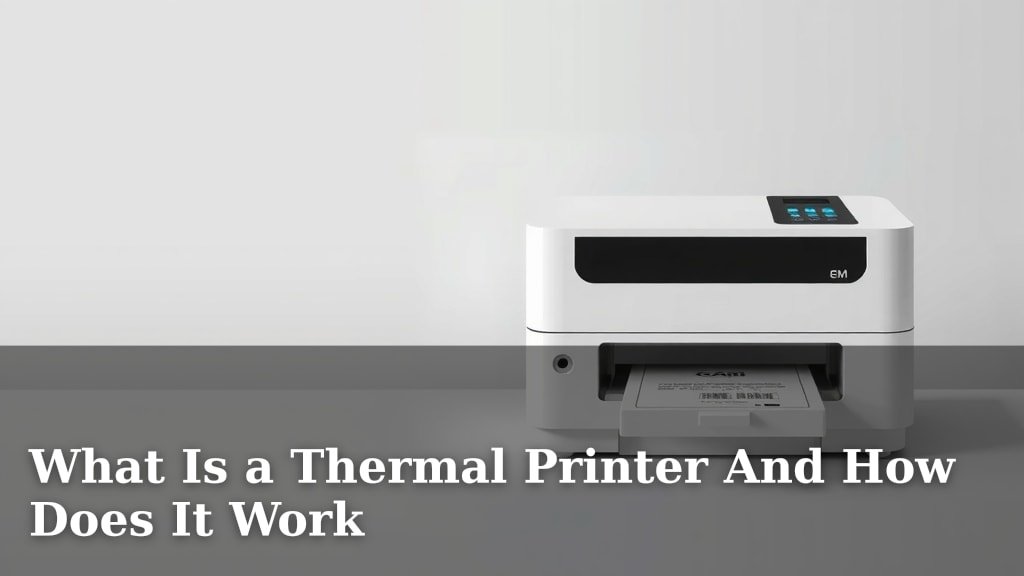
A thermal printer is a special kind of printer that creates an image by heating up specially coated paper. This means it uses heat instead of ink or toner cartridges to print. You’ll often see them used for receipts and shipping labels.
Think of it like drawing with a hot needle, but much faster and cleaner. Because they don’t need ink, thermal printers are known for being quick and requiring less maintenance. They’re a popular choice for businesses that print a lot of documents regularly.
- Thermal printers use heat, not ink.
- They are great for receipts and labels.
- They print quickly and need less upkeep.
- Heat-sensitive paper is key to how they work.
Let’s walk through exactly how thermal printers work and what makes them so useful for your everyday printing needs.
Understanding How Thermal Printers Work
So, you’re curious about how these nifty thermal printers actually put ink (well, sort of!) onto paper? It’s a pretty neat trick that relies on a special kind of paper and a controlled burst of heat. Imagine your printer having tiny, super-precise hot rods instead of an ink cartridge. That’s the basic idea!
These printers don’t use any liquid ink or toner powder. Instead, they depend on a specific type of paper coated with a special chemical compound. When the print head inside the thermal printer gets hot, it selectively heats tiny dots on this coated paper. This heat causes the chemical coating to change color, creating the image or text you see. It’s like magic, but it’s just science!
The Magic of Heat-Sensitive Paper
The star of the show is definitely the thermal paper. This isn’t your everyday printer paper. It has a special coating containing dyes and developers. When these two components are heated up, they react and change color, usually to black. Think of it as a hidden message that appears when it gets warm enough.
There are actually a couple of different ways this reaction happens, which leads us to the two main types of thermal printing.
Direct Thermal Printing
This is the most common type you’ll find for things like receipts and shipping labels. With direct thermal printing, the heat from the print head directly causes the color change on the paper. There’s no other ink or ribbon involved. It’s a one-step process: heat meets special paper, and your print appears.
It’s super simple, which is why these printers are often more affordable and have fewer moving parts. The trade-off? The print can fade over time, especially if exposed to heat or sunlight. So, that grocery receipt might become unreadable after a few months if you leave it in your car.
Thermal Transfer Printing
This method is a bit different and is often used when you need prints that are more durable and long-lasting. Instead of heating the paper directly to change its color, thermal transfer printing uses a heated print head to melt ink from a special ribbon onto the paper or label. It’s like a super-precise hot glue gun, but for ink.
The print head melts a thin layer of ink off a ribbon and onto the surface. This creates a much more permanent image that resists fading, water, and abrasion. This is why you might see thermal transfer printers used for product labeling, barcodes that need to last, or even durable identification tags.
What Makes the Print Head Tick?
The print head is the heart of any thermal printer. It’s a line of tiny heating elements, arranged very closely together. When the printer receives information about what to print, a microprocessor tells these heating elements exactly when and how hot to get. They’re incredibly precise, heating up and cooling down in milliseconds!
Each little heating element corresponds to a dot in the final image. By controlling which dots get hot and for how long, the printer can create letters, numbers, and even graphics. The density of these heating elements, measured in dots per inch (dpi), determines the sharpness and detail of your print. Higher dpi means finer detail.
Why Choose a Thermal Printer for Your Needs?
Okay, so you know how they work. But why would you pick one of these over a traditional inkjet or laser printer? Well, thermal printers really shine in specific situations. They’re built for speed, efficiency, and often, a simpler user experience.
We’ve found that for many businesses, especially those with high-volume printing needs, thermal printers offer some fantastic advantages. Let’s break down some of the key benefits you can expect.
Speed and Efficiency
Thermal printers are famously fast. Because they don’t have to wait for ink to dry or toner to fuse, they can churn out prints at an impressive pace. This is a huge deal if you’re in a busy retail environment and need to print receipts for a line of customers, or if you’re managing a warehouse and need to label a lot of packages quickly.
Think about it: no ink cartridges to change, no waiting for print heads to warm up or cool down. It’s just direct action. This speed directly translates to more productivity and less waiting time for your customers or your staff.
Lower Running Costs
While the initial cost of a thermal printer might vary, their running costs are typically much lower. Why? No ink or toner cartridges! These consumables can add up quickly with traditional printers. With direct thermal printers, your only recurring cost is the special thermal paper itself.
For thermal transfer printers, you’ll need to factor in the cost of the ribbons as well, but these often offer a high yield and can be more cost-effective per print than ink cartridges for certain applications. Many experts point to this cost savings as a major reason for their adoption in business (Industry Publication X).
Simplicity and Less Maintenance
Fewer moving parts and no ink mean less hassle. Thermal printers are generally very reliable and require minimal maintenance. You don’t have to worry about clogged print heads, ink smudges, or replacing toner. The primary maintenance task is simply keeping the print head clean, which is usually a quick wipe-down.
This simplicity means less downtime for your business. When every minute counts, having a printer that just keeps working without fuss is a real lifesaver. We found that the reduction in maintenance calls alone can be a significant benefit for IT departments.
Compact and Quiet Operation
Many thermal printers are designed to be compact, making them ideal for small counter spaces or crowded workstations. Plus, they tend to operate much more quietly than their inkjet or laser counterparts. This can contribute to a more pleasant work environment, especially in customer-facing roles.
Imagine a bustling store where the only sound from the point-of-sale system is a gentle whirring, not a loud, clattering printer. It makes a difference!
Common Uses for Thermal Printers
You see thermal printers everywhere, even if you don’t always realize it! They are the workhorses behind many everyday transactions and logistical processes. Their ability to print quickly and reliably makes them perfect for certain jobs.
Point-of-Sale (POS) Receipts
This is perhaps the most common application. When you buy something at a store, the slip of paper you get is almost certainly printed by a direct thermal printer. They’re fast, produce clear text, and the paper rolls are compact.
Shipping Labels
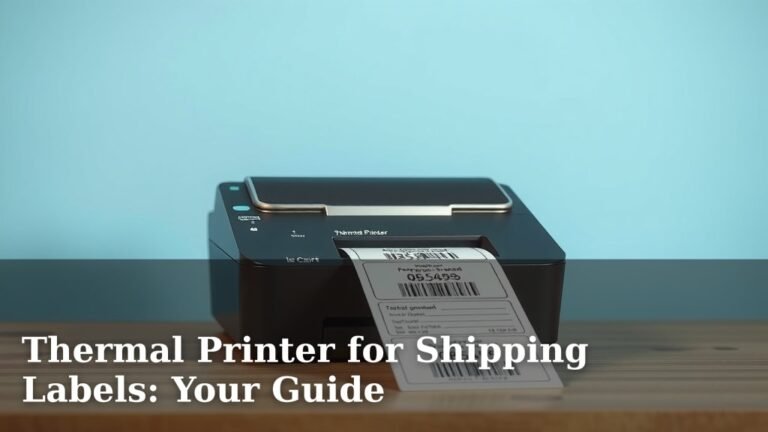
Online retailers and shipping companies rely heavily on thermal printers to produce shipping labels. The durable prints from thermal transfer printers are ideal for labels that need to withstand handling and the elements during transit. Direct thermal is also used if the label won’t be exposed to extreme conditions.
Event Tickets and Boarding Passes
Need to get into a concert or catch a flight? Your ticket or boarding pass, whether printed at home or at the venue/airport, likely came from a thermal printer. The convenience of instant printing is key here.
Healthcare Applications
In hospitals and clinics, thermal printers are used for various purposes, from printing patient identification wristbands (often using durable thermal transfer labels) to producing quick printouts of medical images or test results where immediate access is needed. Many safety guidelines recommend clear identification in healthcare settings (CDC).
Restaurant Order Tickets
Kitchens often use thermal printers to get order tickets to the chefs. Fast, clear, and no ink to smudge when things get steamy in the kitchen!
Quick Checklist: Is a Thermal Printer Right for You?
Thinking about whether a thermal printer fits your needs? Here’s a quick rundown to help you decide:
- Do you need to print high volumes of receipts or labels quickly?
- Are you looking to reduce your ongoing printing costs by avoiding ink/toner?
- Do you prefer a printer that requires minimal maintenance and troubleshooting?
- Is space a concern, and do you need a compact printing solution?
- Do your printed items need to be highly durable and resistant to fading (consider thermal transfer)?
- Are you okay with prints that might fade over time (if using direct thermal)?
If you answered “yes” to many of these, then a thermal printer might just be your perfect printing companion!
Conclusion
You’ve learned that thermal printers are fantastic tools for specific jobs. They use heat, not ink, to create fast, clear prints on special paper. Whether you need quick receipts or durable labels, there’s a thermal printer for you. Direct thermal is great for everyday use, while thermal transfer offers lasting quality. Consider your printing volume, cost, and durability needs. If speed and low running costs are key, a thermal printer is likely your best bet. Take the next step and explore models that fit your business or personal printing demands!
Frequently Asked Questions
Can I use regular paper in a thermal printer?
No, you cannot use regular paper in a thermal printer. Thermal printers require special heat-sensitive paper. This paper has a coating that reacts to the heat from the printer’s head, causing it to change color and form the image.
How long do thermal prints last?
The lifespan of thermal prints depends on the type. Direct thermal prints can fade over time, especially with exposure to heat, light, or certain chemicals. Thermal transfer prints, which use a ribbon, are much more durable and can last for many years.
Are thermal printers expensive to buy?
The initial cost of thermal printers can vary widely. Basic direct thermal printers for receipts are often very affordable. More advanced thermal transfer printers or industrial models can have a higher upfront cost, but their lower running expenses often make them cost-effective over time.
What is the difference between direct thermal and thermal transfer?
Direct thermal printing uses heat to directly change the color of specially coated paper. Thermal transfer printing uses heat to melt ink from a ribbon onto the label or paper, creating a more permanent and durable print.
Do thermal printers need much maintenance?
Generally, thermal printers require very little maintenance. Since they don’t use ink cartridges, you avoid issues like clogs or leaks. The main maintenance task is keeping the print head clean to ensure print quality and longevity.