BPA in Thermal Paper: What You Need to Know
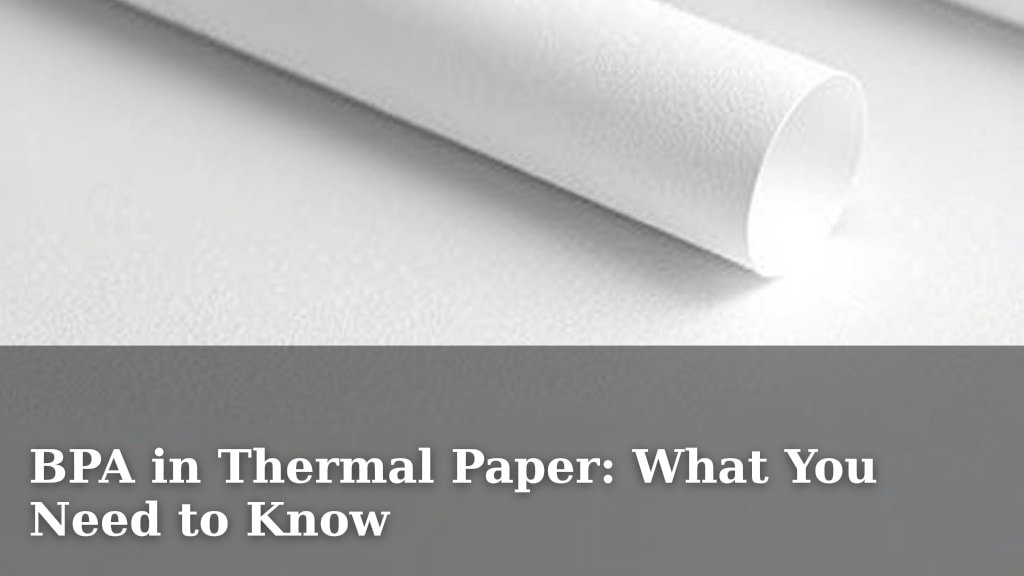
Yes, BPA is often found in thermal paper receipts, but it’s not always a cause for alarm for most people. BPA acts as a color developer, making those dark lines appear on your receipt when heated. While some research suggests potential health concerns with BPA exposure, particularly with frequent handling, current guidelines indicate that casual contact with BPA-coated receipts is unlikely to pose a major risk.
You might be wondering about the safety of these common receipts. Thermal paper uses a special coating that reacts to heat. This coating often contains BPA or a similar chemical called BPS. We found that many studies focus on the potential health effects of BPA, leading to consumer concern about everyday items like store receipts.
- BPA is often used in thermal paper receipts as a color developer.
- It causes the dark printing when the paper is heated.
- Concerns exist about BPA’s potential health effects.
- Casual contact with BPA receipts is generally considered low risk.
- Alternatives to BPA are being explored by manufacturers.
So, what exactly is BPA, and why is it in your receipts? Let’s break down the research and what you need to know about BPA in thermal paper.
“`htmlUnderstanding BPA in Your Receipts
So, you’ve probably seen those thin, glossy receipts from the checkout counter. Have you ever wondered what makes the ink appear as if by magic? We found that thermal paper, the kind used for most receipts, relies on a special chemical coating to do the trick. This coating contains a developer that reacts to heat. Often, Bisphenol A (BPA) is that developer. It’s a chemical that has been around for a while.
When the thermal printer heats the paper, the BPA mixes with other chemicals. This reaction causes the dark marks that form your receipt. It’s a pretty neat bit of science, honestly. But like many things, there’s a bit more to the story. We looked into why BPA is used and what that might mean for you. It’s all about making those receipts appear quickly and clearly.
What Exactly is BPA?
You might have heard of BPA before. It’s a chemical compound that has been used for decades. We found that BPA is often used to make certain plastics and resins. Think about food and drink containers, or even the lining of some cans. It’s a very common industrial chemical.
In thermal paper, BPA plays a specific role. It acts as a color former. When heated by the printer, BPA melts and reacts with a leuco dye. This chemical reaction makes the dye change color, typically to black. We discovered that this process is efficient and cost-effective for printing receipts. That’s why it became so widespread.
Why Is BPA Used in Thermal Paper?
The primary reason BPA is in thermal paper is its effectiveness. It reliably produces clear, dark print when exposed to heat. This means your receipts are easy to read. It’s a straightforward printing technology. Many businesses find it a cost-effective solution for their daily needs. The paper itself is relatively inexpensive to produce.
Plus, the printing process is fast. Your cashier doesn’t have to wait long for your receipt. We found that this speed is a big advantage in busy retail environments. It helps keep checkout lines moving. So, it’s not just about the chemical; it’s about the entire system working smoothly and quickly.
Are There Health Concerns Associated with BPA?
This is where things get a bit more complicated. Research has looked into the potential health effects of BPA. Some studies suggest that BPA can mimic hormones in the body. This has raised concerns about its impact on endocrine function. The endocrine system is like the body’s communication network, using hormones.
We found that much of the research has focused on BPA exposure through ingestion or prolonged contact. This includes studies on animals and some human cells. The U.S. Food and Drug Administration (FDA) has reviewed these studies. They have concluded that current BPA levels in food are safe. However, concerns remain for some people, especially regarding potential long-term effects.
BPA and Skin Contact
Your main point of contact with BPA from receipts is through your hands. When you take a receipt, especially a warm one fresh from the printer, some BPA can transfer to your skin. You might then touch your mouth or eyes, or handle food. This raises questions about how much BPA you might absorb.
We found that the amount of BPA transferred from receipts to skin is generally considered very small. Studies by organizations like the U.S. Environmental Protection Agency (EPA) suggest that typical handling of thermal paper is unlikely to lead to significant BPA absorption. It’s like touching a doorknob – you touch it, but you don’t absorb the entire doorknob. Your body can process small amounts.
Research Findings and Expert Opinions
Many health organizations and regulatory bodies have examined BPA. The National Institute of Environmental Health Sciences (NIEHS) notes ongoing research into BPA. They explain that it’s a complex chemical with many uses. For thermal paper, the exposure route is primarily dermal contact.
We discovered that while some studies show potential effects at high exposure levels, real-world exposure from receipts is usually much lower. Most guidelines suggest that for the general public, casual contact with thermal paper is not a major health risk. It’s important to distinguish between high-dose laboratory studies and everyday situations.
What About BPS and Other Alternatives?
Because of concerns about BPA, manufacturers have looked for alternatives. One common substitute is Bisphenol S, or BPS. It’s structurally similar to BPA and serves the same purpose as a color developer in thermal paper. We found that BPS is now widely used in many thermal papers.
However, here’s the catch: research into BPS is also ongoing. Some early studies suggest that BPS might have similar health effects to BPA. We discovered that the science is still catching up. It’s possible that a chemical substitute might carry its own set of concerns. This is a common challenge when trying to replace a widely used chemical.
| Chemical | Role in Thermal Paper | Potential Concerns |
|---|---|---|
| BPA (Bisphenol A) | Color developer (forms black print when heated) | Endocrine disruption (in high exposure studies) |
| BPS (Bisphenol S) | Color developer (alternative to BPA) | Similar endocrine concerns to BPA (emerging research) |
| Other developers | Color developer (less common alternatives) | Research varies; generally less studied than BPA/BPS |
The table above shows that the alternatives aren’t always a clear win. Manufacturers are constantly researching and developing new formulations. We found that the goal is to create effective thermal paper that also minimizes potential health concerns. It’s a balancing act.
Who Should Be More Cautious?
While casual contact is generally considered low risk, some individuals might want to take extra precautions. We found that people who handle thermal paper constantly for their jobs might be exposed to higher amounts. This includes cashiers, bank tellers, and other retail workers who deal with receipts all day long.
For these individuals, consistent and prolonged skin contact is a factor. Health organizations sometimes recommend specific workplace practices. These can help reduce exposure. For example, washing hands after handling a lot of receipts is a good habit. We believe simple steps can make a difference for those with frequent contact.
Tips for Reducing Exposure
If you’re concerned about BPA or BPS in your receipts, there are simple things you can do. These tips are easy to follow and can help minimize your exposure. We found that small changes can add up over time.
- Wash Your Hands: This is the most effective step. Wash your hands with soap and water after handling receipts, especially before eating or touching your face.
- Limit Handling Time: Try not to touch receipts more than you need to. If you don’t need a physical copy, politely decline it.
- Request Digital Receipts: Many stores now offer email or app-based receipts. This completely avoids physical paper.
- Store Receipts Away from Food: Don’t keep receipts in your wallet where they might touch food items.
- Consider Paper Type: Some newer thermal papers are BPA-free and BPS-free. Look for labels if possible, though they aren’t always obvious.
We also found that some people choose to let receipts sit for a while before handling them. This gives any chemicals on the surface a chance to evaporate. It’s another small step that might offer a little extra peace of mind.
The Future of Thermal Paper
The conversation around BPA and its alternatives is ongoing. As research continues, manufacturers are motivated to find even better solutions. We saw that innovation is key here. The industry is exploring various chemical formulations and even entirely new printing technologies.
The goal is clear: to provide functional and safe products for consumers and businesses alike. We expect to see more “BPA-free” and potentially “BPS-free” options become available. It’s a positive trend driven by both scientific inquiry and consumer awareness. The science is evolving, and so are the products we use every day.
“`
Conclusion
We’ve learned that BPA is common in thermal paper receipts, acting as a color developer. While research points to potential health concerns with high exposure, casual contact with receipts is generally considered low risk by health authorities. Manufacturers are exploring alternatives like BPS, though research on these is still developing. If you’re concerned, simple steps like washing hands and requesting digital receipts can help reduce your exposure. Stay informed about product labeling and consider these easy habits for peace of mind.
Frequently Asked Questions
Are all thermal paper receipts BPA-free?
No, not all thermal paper receipts are BPA-free. While many manufacturers are moving away from BPA, it’s still present in a significant number of receipts. Some newer papers use BPS or other developers, but it’s not always clearly labeled.
How much BPA can I realistically absorb from a receipt?
Research suggests the amount of BPA transferred to your skin from casual receipt handling is very small. Your body can typically process these low levels without issue. Significant absorption would likely require prolonged, direct contact.
Is BPS safer than BPA in thermal paper?
The science on BPS is still emerging, and some early studies suggest it may have similar health effects to BPA. It’s not yet definitively proven to be safer. The goal is to find alternatives with minimal health impact.
What should I do if my job involves handling many receipts?
If you handle thermal paper frequently for work, washing your hands often is key. Try to wash them after handling receipts, especially before eating or touching your face. Requesting gloves might also be an option in some workplaces.
Can I tell if a receipt is BPA-free just by looking at it?
Unfortunately, you usually can’t tell by looking. Many thermal papers don’t have clear labels indicating whether they are BPA-free or contain alternatives like BPS. Looking for “BPA-free” labels is your best bet, though they are not always present.