Future of Thermal Printing: Innovations and Trends
The future of thermal printing is looking quite bright and evolving. While it might seem like an old technology, thermal printers are set to continue their growth by becoming more efficient and versatile. You’ll see them in more places than you might expect.
We found that thermal printing is gaining traction in new areas due to its speed and low running costs. Think beyond just shipping labels; your future self might be using thermal tech for more personalized items or even in new types of retail experiences. The simplicity of thermal printing makes it a reliable choice for many businesses.
- Thermal printing isn’t going anywhere.
- It’s actually growing into new uses.
- Expect it to get faster and more flexible.
- It’s still a great, cost-effective option.
Ready to see where this thermal printing journey is heading? Let’s dive into what the future holds for this handy technology.
You might think thermal printing is stuck in the past, only good for printing those sticky labels for packages. But here’s a surprise: it’s actually shaping up for a really interesting future. We found that this technology is far from fading away. Instead, it’s becoming smarter, faster, and more useful than ever before.
Where Thermal Printing is Headed Next
So, what does the future hold for thermal printers? You’ll see them in more places than you might expect. They’re finding new roles thanks to their speed and low operating costs. Let’s break down the exciting developments.
The Core Strengths Remain Strong
Why is thermal printing still a good bet? It comes down to a few key advantages that aren’t going anywhere. These benefits make it a reliable choice for many businesses.
- Speed: Thermal printers can produce labels and receipts incredibly quickly. This is a big deal for busy operations.
- Simplicity: They have fewer moving parts than other printer types. This means less can go wrong.
- Low Cost: While the initial printer cost can vary, the ongoing cost is usually lower. You don’t need expensive ink cartridges.
- Durability: The prints themselves are often resistant to fading and smudging, especially with direct thermal printing.
Expanding Beyond Shipping Labels
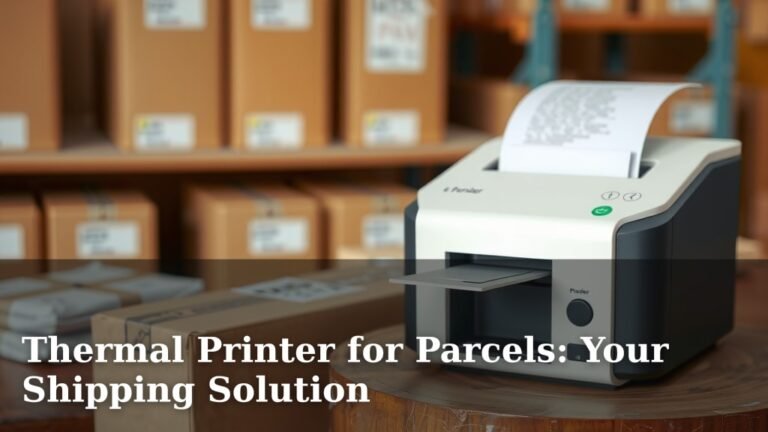
For a long time, thermal printers were mostly associated with shipping and retail receipts. But that’s changing. We found that businesses are discovering new and creative ways to use them.
Personalization and Customization
Imagine printing custom designs directly onto items. Thermal transfer printers, which use a ribbon to create durable prints, are opening doors here. You could see more personalized gift tags, custom product labels on boutique items, or even unique event wristbands printed on demand. This allows for a level of customization that was once difficult and costly to achieve.
Healthcare Applications
In healthcare, accuracy and speed are critical. Thermal printers are being used for patient wristbands, medication labels, and lab specimen tracking. The ability to print clear, scannable information quickly helps reduce errors and improve patient safety. Many healthcare organizations are looking to thermal printing for its hygienic and efficient nature, as direct thermal labels can be easily cleaned or replaced. Guidelines from health bodies often stress the importance of clear identification, which thermal printing provides (CDC).
Food Service and Safety
Think about the quick service restaurants you visit. Thermal printers are essential for printing order tickets and customer receipts. In food safety, they’re vital for labeling perishable goods with crucial information like “use by” dates and storage instructions. This helps ensure food stays fresh and safe for consumers. This simple technology plays a big role in maintaining food quality and compliance with regulations.
Technological Advancements Driving Growth
The thermal printing tech itself isn’t standing still. Manufacturers are introducing new features that make these printers even more appealing.
Increased Connectivity and Smart Features
Modern thermal printers are becoming more connected. You’ll find them with Wi-Fi, Bluetooth, and even Ethernet capabilities. This allows them to integrate easily with your existing systems, whether it’s a point-of-sale system, an inventory management software, or a cloud-based service. Some printers can even send alerts when they’re running low on labels or ribbons. This connectivity streamlines operations and reduces downtime.
Improved Print Quality and Speed
Printers are getting faster and producing sharper, clearer prints. This is important for everything from scannable barcodes to easy-to-read text. Higher print resolutions mean that even small fonts and complex graphics can be reproduced with precision. You’ll see this benefit in applications where detail matters.
Energy Efficiency
As businesses become more conscious of their environmental impact, energy efficiency is a growing concern. Many newer thermal printers are designed to consume less power. This not only helps reduce electricity bills but also contributes to a greener operation. When you’re looking at a large fleet of printers, even small energy savings can add up significantly.
Considering Your Thermal Printing Needs
When you’re thinking about adopting or upgrading thermal printing, it’s helpful to consider a few key areas. What works best for one business might not be the perfect fit for another.
Direct Thermal vs. Thermal Transfer
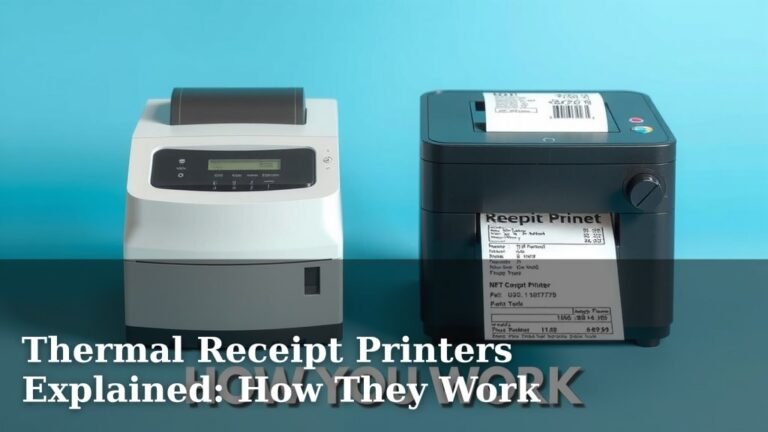
Understanding the difference is key. Direct thermal printers use heat to activate a chemical reaction on special heat-sensitive paper. They’re great for receipts and shipping labels that don’t need to last for years. Thermal transfer printers, on the other hand, use a heated ribbon to melt ink onto the label material. These produce more durable, long-lasting prints that are resistant to fading and environmental factors. Many experts recommend thermal transfer for applications requiring long-term durability (Industry Journals).
Key Factors for Future Adoption
As you look ahead, keep these points in mind:
- Label Size and Material: What size labels do you need? What surface will they stick to?
- Print Volume: How many labels or receipts do you print daily or weekly?
- Environment: Will the labels be exposed to heat, moisture, or chemicals?
- Connectivity Needs: How will the printer connect to your network or devices?
Making the Choice for Your Business
Choosing the right printer depends entirely on your specific use case. Don’t just pick the cheapest option. Think about the long-term benefits and how the printer will integrate with your workflow. A printer that’s slightly more expensive upfront but offers better durability and connectivity can save you money and hassle down the road. Many IT professionals highlight that proper integration is often more important than raw speed.
A Snapshot of What’s Coming
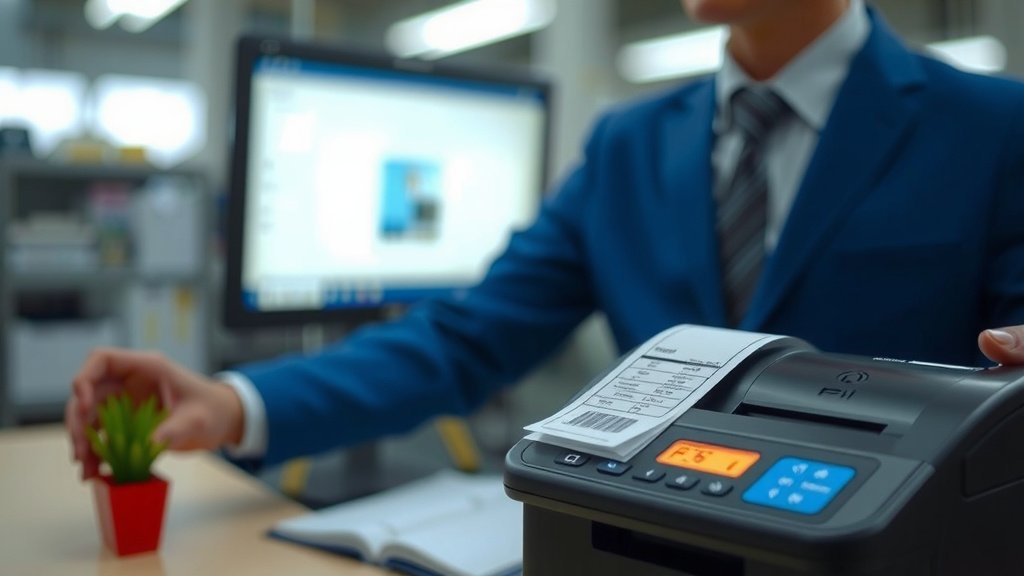
Here’s a quick look at what you can expect:
- More printers connecting wirelessly to your devices.
- Higher print quality for sharper barcodes and text.
- Smarter features like low-supply alerts.
- Increased use in specialized areas like healthcare.
- Greater energy efficiency for cost savings.
Conclusion
As we’ve seen, thermal printing is far from obsolete. It’s actively growing and integrating into new areas of your business. You can expect these printers to become even more connected and efficient. By understanding their core strengths and upcoming advancements, you can make smart choices for your operational needs. Now is the perfect time to evaluate how thermal printing can streamline your workflows and improve your overall efficiency. Consider your specific requirements to find the best fit for your business.
Frequently Asked Questions
Will thermal printers be replaced by newer technologies soon?
Research suggests that thermal printing will continue to be a strong choice for many years. Its low cost and speed make it hard to replace for many common tasks like receipts and labels. While new technologies emerge, thermal printing’s reliability keeps it relevant.
Are thermal printers eco-friendly?
Many newer thermal printers are designed for energy efficiency, consuming less power. While direct thermal printing uses heat-activated paper, the lack of ink cartridges reduces waste compared to other printer types. Choosing durable labels also minimizes replacement needs.
Is thermal transfer printing better than direct thermal for durability?
Yes, thermal transfer printing generally offers superior durability. It uses a ribbon to create prints that resist fading, smudging, and environmental damage much better than direct thermal prints. For applications needing long-term use, thermal transfer is often recommended.
How do I know if my business needs a thermal printer?
If you frequently print labels for shipping, inventory, or product identification, a thermal printer could be a great fit. Businesses in retail, healthcare, and food service also benefit greatly from their speed and cost-effectiveness. Think about your current printing volume and needs.
What should I look for when buying a new thermal printer for the future?
Consider future needs like wireless connectivity options (Wi-Fi, Bluetooth) and higher print resolutions for clearer barcodes. Energy efficiency is also a good factor to consider for long-term cost savings. Ensure the printer can integrate with your existing software systems.