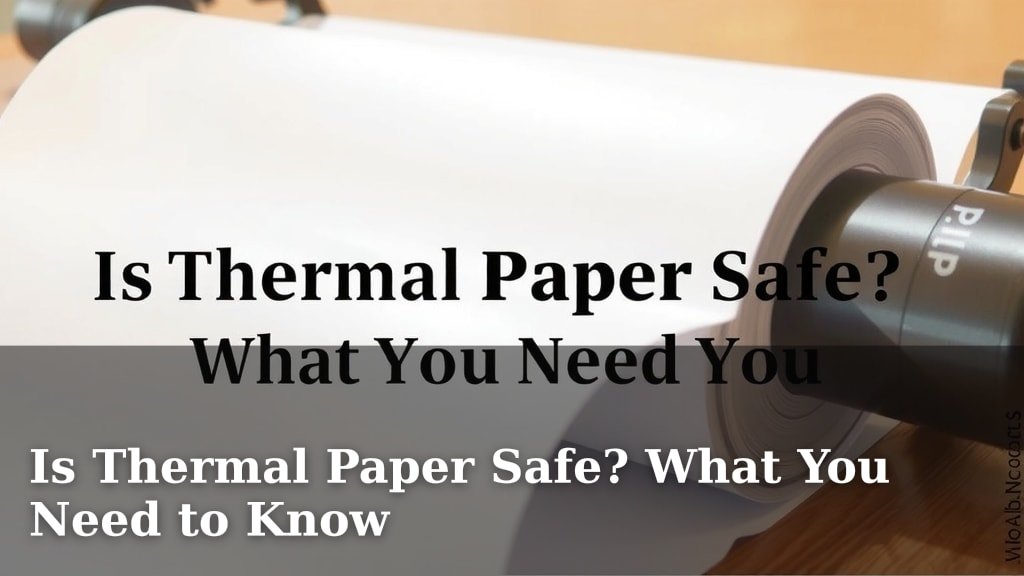
Is Thermal Paper Safe? What You Need to Know
Generally, thermal paper is safe for everyday use, but concerns exist regarding the chemical coating. The main chemical, BPA (Bisphenol A), is a subject of debate, though most thermal paper now uses a safer alternative called BPS. You can touch it without much worry, but prolonged skin contact or ingestion is not recommended.
This special paper changes color when heat is applied, making it perfect for receipts and labels. While it’s convenient, understanding its components helps you make informed decisions. We’ve looked into what makes it tick and whether it poses any real risks to your health and safety.
- Thermal paper is generally safe for handling.
- Concerns mainly surround BPA, but alternatives are common.
- Avoid prolonged skin contact and do not ingest.
- Heat triggers the color change in thermal paper.
- Receipts are the most common use for this paper.
Let’s break down exactly what’s in thermal paper and what the research says about its safety for you and your family.
What’s Really In Your Thermal Paper?
You’ve probably handled thermal paper many times today without even thinking about it. It’s the paper your receipts are printed on, the labels on your mail, and even some lottery tickets. But have you ever stopped to wonder what makes it turn black, and if it’s safe to touch?
The short answer is: yes, for the most part, it is safe for everyday handling. The technology behind it is pretty neat, and while there have been some concerns, modern manufacturing has addressed many of them. Let’s dive into what makes this paper work and what researchers have found about its safety.
How Does Thermal Paper Work? The Magic of Heat
Thermal paper isn’t like regular paper. It has a special coating that reacts to heat. This coating contains microscopic, colorless dyes and an acid developer. When you pass a heated print head over the paper, like in a receipt printer, the heat melts the acid developer. This causes it to react with the dye, turning it a visible color – usually black.
Think of it like a tiny, instant chemical reaction happening right before your eyes. The heat from the printer is the trigger. No ink cartridges or ribbons are needed, which is why thermal printers are so common for quick printing jobs.
The Coating: What’s Actually On The Paper?
The key to thermal paper’s magic is its coating. This coating is typically made up of a few main ingredients. The most talked-about ingredient has been Bisphenol A, or BPA. You might have heard of BPA before, often in relation to plastics.
BPA was historically used as an acid developer. It worked well because it created clear, sharp images. However, as research progressed, questions arose about its potential health effects. This led to many manufacturers looking for alternatives.
BPA: The Past Concern
BPA is an endocrine disruptor. This means it can interfere with your body’s hormones. Studies have linked BPA exposure to various health issues, though much of this research has been on animal models or at high exposure levels (National Institute of Environmental Health Sciences). Because people handle receipts frequently, concerns were raised about BPA leaching from the paper onto skin.
The amount of BPA on any single receipt is very small. However, repeated exposure, especially for cashiers who handle thermal paper all day, was an area of interest for researchers. The good news is, the industry has largely moved away from BPA.
BPS and Other Alternatives: The Safer Present
Today, many thermal papers use a chemical called Bisphenol S, or BPS, as a replacement for BPA. BPS is structurally similar to BPA. Early research suggested BPS might be safer, but newer studies indicate it could have similar effects to BPA. It’s a complex chemical picture.
Other non-bisphenol developers are also being used. These are designed to be safer alternatives. The trend is definitely moving towards removing chemicals of concern. Many manufacturers are committed to ensuring their products meet safety standards.
Are Receipts Bad For Your Health? Let’s Look At The Evidence
This is the question on many people’s minds. Can touching a receipt really harm you? Based on current research, casual handling of thermal paper receipts is generally considered **low risk**. Your skin acts as a pretty good barrier.
However, there are a few things to keep in mind. If you have very sensitive skin or conditions like eczema, you might be more prone to irritation. Also, if your hands are wet or oily, chemicals might transfer more easily. It’s not quite like holding a hazardous material.
Skin Contact: What Do Studies Say?
We found that studies often focus on two main groups: consumers who occasionally handle receipts and workers who handle them constantly. For the general public, the exposure levels are typically very low. You’re likely touching receipts for mere seconds.
For workers, like cashiers, the exposure is prolonged. Studies have looked for BPA or BPS in the bodies of these workers. Some studies did find traces of these chemicals, suggesting some level of absorption. However, the health impact of these trace amounts is still debated among scientists (U.S. Food & Drug Administration).
The key takeaway here is that while absorption can happen, the amount absorbed from casual contact is minimal. It’s like a tiny drop in a very large bucket.
Ingestion: Definitely Avoid This!
This might seem obvious, but please do not eat thermal paper. Whether it’s a receipt or a label, putting it in your mouth is a bad idea. Ingesting the chemicals, even in small amounts, is not recommended by health authorities.
Children are sometimes curious and might put things in their mouths. It’s a good idea to keep receipts and other thermal paper items out of reach of very young children. While a tiny accidental lick is unlikely to cause serious harm, it’s best to avoid it altogether.
Who Needs To Be More Cautious?
While most people don’t need to worry much, some individuals or groups might want to take extra precautions. This mainly applies to those with **frequent and prolonged contact** with thermal paper.
The primary group here is retail workers. Cashiers, for example, handle hundreds of receipts daily. If you’re concerned, here are a few simple steps you can take:
- Wash your hands after handling receipts, especially before eating.
- Avoid touching your face or mouth after touching thermal paper.
- If possible, use gloves for tasks involving heavy receipt handling.

A Quick Look: Thermal Paper vs. Other Paper Types
It’s helpful to see how thermal paper fits into the bigger picture. Not all paper is created equal, and thermal paper has unique properties due to its coating.
| Paper Type | How It Works | Common Uses | Key Safety Note |
|---|---|---|---|
| Thermal Paper | Heat activates a chemical coating. | Receipts, labels, tickets. | Concerns about BPA/BPS in coating; generally safe to touch. |
| Plain Paper (Inkjet/Laser) | Absorbs ink or toner adheres. | Documents, books, most printouts. | Generally very safe. Focus is on ink/toner safety if handled immediately after printing. |
| Carbonless Copy Paper (NCR) | Micro-encapsulated dye reacts with a developer coating. | Forms, multi-part documents. | Can contain dyes and developers; direct contact is usually fine, but avoid ingestion. |
As you can see, each type of paper has its own properties. Thermal paper’s reactivity is what makes it distinct, and its coating is the source of the safety discussion.
Making Informed Choices: What You Can Do
You have more control than you might think. Being aware of the ingredients in thermal paper allows you to make choices that feel right for you and your family.
Here’s a quick checklist to help you manage your interaction with thermal paper:
- Know what it is: Remember it’s coated paper for heat printing.
- Handle briefly: Touch receipts only when necessary.
- Wash hands: Clean hands after handling, especially before meals.
- Keep away from kids: Store receipts out of reach of young children.
- Recycle properly: Remove from recycling if it’s heavily taped or sticky, as coatings can interfere. Check local guidelines.
- Look for alternatives: Some businesses offer paperless receipts if you’re concerned.
Many businesses are becoming more transparent about their paper choices. Some are even moving towards **paperless options** like emailed receipts, which completely avoids the issue.
Conclusion
You’ve learned that thermal paper is generally safe for touching during everyday use. The main concerns historically centered on BPA, but many manufacturers now use safer alternatives like BPS or other compounds. While some chemical absorption can occur with prolonged handling, casual contact poses a low risk for most people. Your best bet is to practice good hygiene, like washing your hands after handling receipts, especially before eating. If you’re still concerned, look for businesses offering paperless receipts – it’s an easy way to bypass the issue entirely.
Frequently Asked Questions
Can I recycle thermal paper receipts?
It’s best to check your local recycling guidelines. Some recycling facilities can’t process thermal paper because the coating can contaminate the recycling stream. Often, you’ll need to remove thermal paper receipts from other paper recycling. Some suggest tossing them in the trash if unsure.
Is thermal paper safe for children?
For casual handling, yes, it’s generally considered safe. However, you should prevent young children from putting thermal paper items in their mouths. Ingestion of the chemical coating is not recommended. Keep receipts and labels out of reach of toddlers.
What’s the difference between BPA and BPS in thermal paper?
Both BPA and BPS have been used as developers in thermal paper coatings. BPA was the older chemical, and concerns about its potential health effects led to its replacement by BPS. However, newer research suggests BPS may have similar effects, so the trend is moving towards other, non-bisphenol alternatives.
How can I tell if a receipt is thermal paper?
The easiest way is to scratch it with your fingernail – if it turns black easily, it’s likely thermal paper. You can also hold it near a heat source like a hairdryer (be careful!) and see if it darkens. Most modern receipts from stores and ATMs are thermal.
Should cashiers worry about handling thermal paper all day?
While casual contact is low risk, prolonged and frequent handling by cashiers means higher potential exposure. Washing hands after shifts and before eating is a good practice. Some workplaces offer gloves for employees concerned about constant contact.