Direct Thermal vs Thermal Transfer: Which Printing Method is Right
Choosing between direct thermal vs thermal transfer printing depends on your specific needs for durability and media type. Direct thermal is great for short-term labels that don’t need to withstand harsh conditions. Thermal transfer, on the other hand, offers a more durable print that lasts longer, making it ideal for product identification and harsh environments.
Both printing methods use heat to create an image on special label material. However, the key difference lies in the consumable they use. Direct thermal printers create an image directly on heat-sensitive paper. Thermal transfer printers use a ribbon to transfer ink onto the label stock, resulting in a much more resilient label. Many businesses find understanding this difference helps them select the right printer for their operations. We found this distinction is often overlooked.
- Direct thermal prints are heat-sensitive and fade over time.
- Thermal transfer uses a ribbon for durable, long-lasting prints.
- Consider print longevity and the environment your labels will be in.
- Direct thermal is simpler and uses fewer supplies.
- Thermal transfer offers better image quality and durability.
Let’s break down the pros and cons of each to help you decide which technology is best suited for your labeling projects.
Understanding Your Label Printing Options: Thermal Transfer vs. Direct Thermal
We know you’re trying to pick the best label printing method for your business. It can feel like a big decision! Both direct thermal and thermal transfer printing use heat. But how they use that heat is where they really differ. Let’s dive into the details to help you make the right choice.
How Direct Thermal Printing Works
Think of direct thermal printing like a fax machine for labels. It’s quite simple, really. The printhead heats up special direct thermal label paper. This heat causes a chemical reaction in the paper. This reaction turns the heated spots black, creating your text and images.
The Upside of Direct Thermal
One of the biggest wins for direct thermal is its simplicity. You don’t need any ink ribbons or toner cartridges. That means fewer supplies to manage and reorder. It also means less maintenance for your printer. For many businesses, this translates to lower operating costs. It’s like having a printer that’s always ready to go without fuss.
When Direct Thermal Shines (and When It Doesn’t)
Direct thermal is fantastic for applications where the label’s lifespan is short. We often see it used for:
- Shipping labels
- Receipts
- Temporary shelf labels
- Name tags for events
Exploring Thermal Transfer Printing Technology
Now, let’s look at thermal transfer. This method is a bit like using a stamp. Instead of directly heating the label, it uses a special ribbon. This wax or resin ribbon sits between the printhead and the label. The printhead heats the ribbon. Then, the ink from the heated ribbon is transferred onto the label material.
The Advantages of Thermal Transfer
The primary benefit here is durability. Because the image is transferred from a ribbon, the print is much more robust. It resists fading from UV light and is less affected by heat. Thermal transfer labels can also withstand abrasion and chemicals better. This makes them perfect for situations where labels need to last. You can expect your thermal transfer labels to look good for a long time. Many experts suggest this method for long-term product identification (National Association of Label Manufacturers).
Where Thermal Transfer Really Excels
This printing method is the go-to for labels that need to stand up to a lot. Consider these uses:
- Asset tracking
- Product identification on durable goods
- Outdoor equipment labeling
- Laboratory sample labels
- Compliance and warning labels
Understanding the Ribbon Component
The type of ribbon you use is important. There are three main types:
- Wax ribbons: These are the most common and affordable. They work best with coated paper labels. They offer good print quality but are not the most durable. Think of them for general-purpose indoor use.
- Wax/Resin ribbons: These offer a good balance. They provide better durability than wax alone. They work on both coated papers and some synthetic labels. They resist smudging and scratching.
- Resin ribbons: These are the most durable. They are designed for synthetic labels like polyester or polyimide. They create prints that can withstand extreme temperatures, harsh chemicals, and heavy abrasion. These are for the toughest jobs.
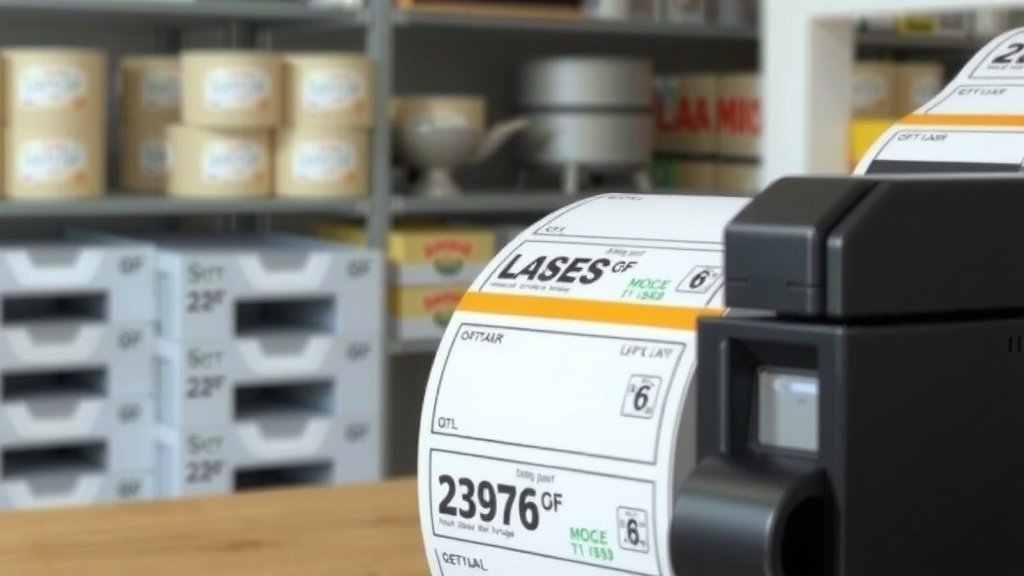
Direct Thermal vs. Thermal Transfer: A Side-by-Side Comparison
Let’s lay it all out so you can see the differences clearly. Here’s a quick rundown:
| Feature | Direct Thermal | Thermal Transfer |
|---|---|---|
| Printing Method | Heat-sensitive paper reacts directly to heat. | Printhead heats a ribbon, transferring ink to the label. |
| Consumables | Special direct thermal label paper. | Labels (paper or synthetic) AND ink ribbons (wax, wax/resin, resin). |
| Durability | Low. Fades with heat, light, and abrasion. Short lifespan. | High. Resists fading, abrasion, and chemicals (depending on ribbon/label type). Long lifespan. |
| Print Quality | Good for basic text and barcodes. Can appear splotchy. | Excellent. Sharp text, barcodes, and graphics. Consistent quality. |
| Speed | Generally slightly faster as there’s no ribbon to manage. | Slightly slower due to ribbon movement. |
| Cost | Lower initial printer cost. Lower consumable cost per label (no ribbons). | Higher initial printer cost. Higher consumable cost per label (ribbons add expense). |
| Maintenance | Minimal. No ribbons to change. Printhead cleaning is usually enough. | Requires ribbon changes. Printhead cleaning is important. |
| Environmental Impact | Paper is often recyclable. No ink waste. | Ribbon cores need disposal/recycling. Label materials can vary in recyclability. |
| Best For | Short-term use, indoor applications, shipping, receipts. | Long-term use, harsh environments, product identification, asset tracking. |
Cost Considerations
When we look at the cost, it’s a tale of two halves. Direct thermal printers are often less expensive upfront. You also don’t have the ongoing cost of buying ribbons. This can make them very attractive for businesses on a tight budget. However, direct thermal labels themselves can sometimes be more costly than standard label stock.
Thermal transfer printers might have a higher initial purchase price. You also have the recurring cost of ribbons and labels. But, if your labels need to last and withstand tough conditions, the investment pays off. You avoid reprinting labels that have faded or become damaged. Many find the total cost of ownership is comparable over time, depending heavily on usage.
Maintenance and Simplicity
If you want the easiest system, direct thermal often wins. There are fewer moving parts and no ribbons to swap out. This means less time spent on printer upkeep. It’s perfect if you just need to print and go, with minimal hassle. Think of it as a set-it-and-forget-it kind of deal.
Thermal transfer requires a bit more attention. You’ll need to monitor your ribbon supply and replace it when it runs out. You’ll also need to ensure the ribbon is loaded correctly. Printhead cleaning is also crucial for both methods, but especially important for maintaining crisp prints with thermal transfer.
Making the Final Choice for Your Business
So, how do you decide? Ask yourself a few key questions:
What is the intended lifespan of your labels? If it’s days or weeks, direct thermal is probably fine. If it’s months or years, lean towards thermal transfer.
What environment will the labels be in? Will they be exposed to sunlight, heat, moisture, or chemicals? If so, thermal transfer is your champion. Direct thermal labels will likely fail.
How important is print quality and detail? For crisp barcodes and detailed graphics that need to be read reliably over time, thermal transfer offers superior results.
What’s your budget for supplies? Consider both upfront costs and ongoing costs. Direct thermal is cheaper on supplies overall. Thermal transfer has higher consumable costs but may save money by avoiding reprints.
How much maintenance are you willing to do? Direct thermal requires less frequent intervention.
A Quick Checklist to Guide You
To help you narrow it down, check off what applies to your needs:
- Does your label need to last for more than a few months?
- Will your label be exposed to sunlight or heat?
- Do your labels need to be resistant to rubbing or chemicals?
- Do you need very sharp, detailed printing for barcodes or small text?
- Is ease of maintenance a top priority?
- Are you looking for the lowest possible ongoing supply cost per label?
If you checked more “yes” boxes for the first three questions, thermal transfer is likely your best bet. If you checked more “yes” boxes for the last three, direct thermal might be the simpler, more cost-effective choice for your specific situation. We’ve found this simple checklist helps many of our readers pinpoint their needs.
Conclusion
You now have a clearer picture of direct thermal and thermal transfer printing. Remember, direct thermal is your go-to for simple, short-term labels without fuss. Think shipping and receipts. Thermal transfer offers superior durability for lasting product identification and harsh conditions, but it requires ribbons. Your choice hinges on your label’s lifespan, environment, and quality needs. Take a moment to review the checklist in the article. It will help you pinpoint the best technology for your unique business needs.
Frequently Asked Questions
Can I use a direct thermal printer for product labels that need to last a year?
Generally, no. Direct thermal prints are sensitive to heat and light and will fade over time. For labels needing to last a year or more, especially on products, thermal transfer is a much better choice to ensure legibility.
Which printing method is more cost-effective in the long run?
It depends on your usage. Direct thermal has lower initial and per-label consumable costs if you don’t need durability. However, if your direct thermal labels fade and need reprinting, thermal transfer can be more cost-effective by avoiding those reprints for long-term applications.
Do I need special software to use a thermal transfer printer?
Not necessarily. Most modern thermal transfer printers work with standard label design software or even built-in operating system tools. You’ll need software to create your labels, but it doesn’t have to be specialized just because it’s thermal transfer.
What happens if I run out of ribbon in a thermal transfer printer?
If you run out of ribbon during a print job, the printer will typically stop or produce blank labels. You’ll need to replace the ribbon before you can continue printing clear, durable labels.
Is direct thermal printing more environmentally friendly?
Direct thermal printing eliminates the need for ribbons, which reduces waste. The paper used is often recyclable. However, the heat-sensitive coating can sometimes make recycling more challenging than standard paper labels used in thermal transfer.