What Is a Thermal Ribbon? A Comprehensive Guide
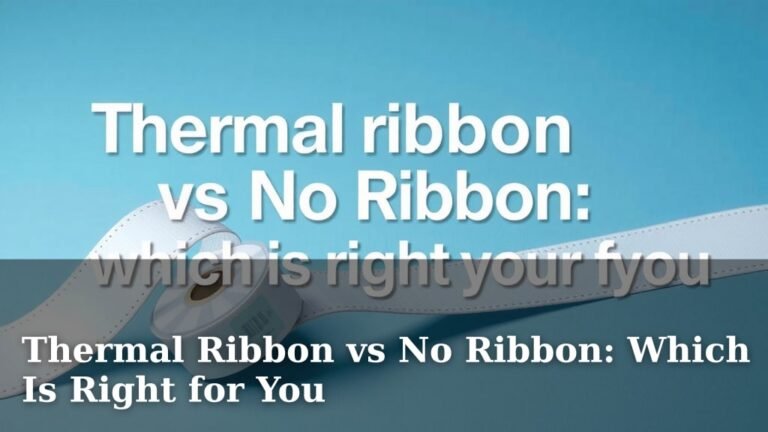
A thermal ribbon is essentially a special type of ink-infused film used in specific printers to create durable, high-quality prints. Think of it like a very thin carbon paper, but way more advanced, designed to melt ink onto surfaces like labels and receipts when heated. These ribbons are key for getting those sharp, long-lasting marks you see on everything from product barcodes to shipping labels.
When you hear “thermal ribbon,” it usually points to thermal transfer printing technology. This method offers a fantastic way to produce prints that can withstand fading, scratching, and even some chemicals. We found that understanding the different types of thermal ribbons helps you choose the right one for your specific printing needs, whether it’s for office supplies or industrial applications.
- Thermal ribbons are ink films for special printers.
- They melt ink onto surfaces like labels.
- This creates durable, high-quality prints.
- They are used in thermal transfer printing.
Ready to learn more about how these amazing ribbons work and what makes them so useful? We’ll break down the different kinds and help you figure out which one is your perfect match.
“`htmlUnderstanding Thermal Ribbon Technology
So, you’ve seen thermal ribbons mentioned, and you’re curious about what they are and how they work. We’re here to clear things up! A thermal ribbon is a special ink-coated film. It’s used in a specific type of printer called a thermal transfer printer. This technology is designed to produce sharp, durable prints on various materials like labels and receipts. It’s the magic behind those clear barcodes and shipping labels you see every day.
How Does a Thermal Ribbon Print?
The printing process with a thermal ribbon is quite clever. It involves heat. The thermal printhead in the printer heats up tiny dots. When the ribbon passes between the heated dots and the material you’re printing on, the ink on the ribbon melts. This melted ink then transfers directly onto the surface, creating your desired image or text. It’s a clean, precise method that doesn’t involve any liquid ink or messy cartridges.
Think of it like a very sophisticated version of a carbon copy. Instead of pressing hard to transfer ink, heat does the work. The ribbon itself is made of a thin film, often polyester. This film holds the ink, which is specially formulated to melt at specific temperatures. The result is a print that is fade-resistant and durable, which is exactly what you need for many applications.
The Role of the Thermal Printhead
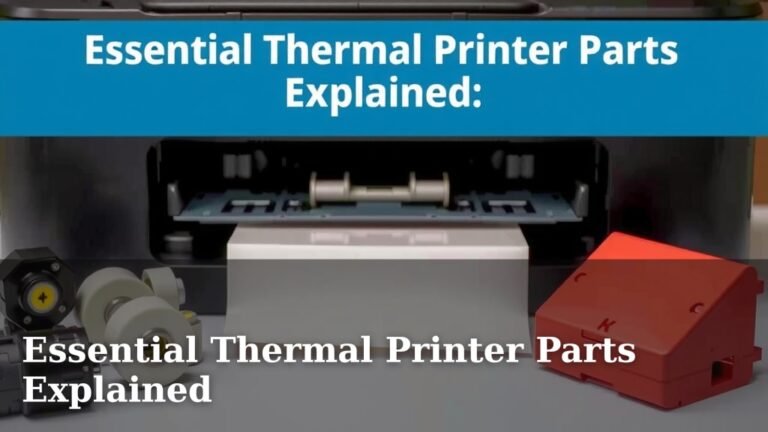
The printhead is the engine of this whole operation. It’s a line of tiny heating elements. Each element can be individually controlled. When it’s time to print, the printhead presses against the ribbon and the label material. The selected heating elements get hot very quickly. This controlled heat is what allows for the precise melting and transfer of the ink from the ribbon. A good printhead ensures clear, consistent results every time.
Why Choose Thermal Transfer Printing?
Many businesses and individuals choose thermal transfer printing because of its advantages. The prints are known for their longevity and resistance to wear and tear. Unlike direct thermal printing, which uses heat-sensitive paper that can fade, thermal transfer uses a ribbon to create a more permanent mark. This makes it ideal for items that need to last, such as product labels, asset tags, and outdoor signage.
Types of Thermal Ribbons: A Closer Look
Not all thermal ribbons are created equal. They come in different formulations, each suited for specific printing needs and materials. The ink formulation determines how well the print adheres and how durable it will be. We found that understanding these types is key to making the right choice for your application. The three main types are resin, wax, and wax-resin.
Wax Ribbons: The Everyday Workhorse
Wax ribbons are the most common type. They use a wax-based ink. This ink melts easily at lower temperatures. Because of this, they work well with uncoated paper labels. Wax prints are generally less durable than other types. They can smudge or scratch if handled frequently. However, they are also the most affordable option. We often see them used for general purpose labels, shipping labels, and retail tags where extreme durability isn’t the top priority.
The main advantage of wax ribbons is their versatility with porous or slightly textured surfaces. They require less heat from the printhead, which can also extend the life of the printhead itself. Many experts say that for short-term use or indoor applications, wax ribbons are a cost-effective solution (NeuraLogix).
Wax-Resin Ribbons: A Step Up in Durability
As the name suggests, wax-resin ribbons are a blend of wax and resin. This combination creates a much tougher print than pure wax. The resin component adds scratch resistance and a degree of water and smudge resistance. These ribbons are a good middle-ground option. They are more durable than wax but still relatively affordable.
We found that wax-resin ribbons are excellent for labels that might be handled a bit more, or exposed to light moisture. They work well on both coated papers and some synthetic materials like polyesters. Many applications benefit from this balance, including product labeling, inventory tags, and durable goods. You get better longevity without breaking the bank.
Resin Ribbons: For Maximum Durability
Resin ribbons use an ink formulation that is primarily resin-based. This makes them the most durable and resistant option available. Resin inks are designed to withstand harsh conditions, including chemicals, extreme temperatures, and extensive abrasion. They require higher printhead temperatures to melt properly.
When you need prints that can truly last, resin ribbons are the way to go. They adhere exceptionally well to synthetic materials like polyester, vinyl, and even some plastics. Common uses include outdoor labels, automotive part labels, laboratory specimens, and any application where the label will be exposed to challenging environments. Many industry standards require the durability that only resin ribbons can provide (ISO Standards).
Choosing the Right Thermal Ribbon for Your Needs
Deciding on the best thermal ribbon for your printing tasks depends on a few key factors. It’s not just about picking the cheapest option; it’s about finding the right fit for your materials and environment. We’ve put together a quick guide to help you make that choice.
Consider Your Printing Material
The type of material you are printing on is critical. Paper labels, for example, are best suited for wax or wax-resin ribbons. If you’re printing on synthetic materials like polyester, vinyl, or polypropylene, you’ll need a wax-resin or, more likely, a full resin ribbon. This is because synthetic materials are less porous. They require the stronger adhesion that resin-based inks offer. Many experts suggest testing the ribbon on your specific label material to ensure compatibility.
Assess the Environmental Conditions
Where will your printed labels or receipts be used? If they are for indoor use, handled gently, and not exposed to moisture or extreme temperatures, wax ribbons might suffice. However, if your items will be shipped, stored outdoors, or exposed to chemicals, oils, or high humidity, you’ll need more robust protection. Resin ribbons offer the best protection against these harsh conditions. Think about the lifespan of the print too – does it need to last weeks, months, or years?
What is Your Budget?
Cost is always a consideration. Wax ribbons are the most economical. Wax-resin ribbons offer a good balance of performance and price. Resin ribbons are the most expensive, but they provide the highest level of durability. We found that many users start with wax or wax-resin and upgrade to resin only when necessary. For very high-volume printing, the cost difference can add up quickly, so it’s worth considering your long-term expenses.
Quick Ribbon Selection Checklist
To help you decide, ask yourself these questions:
- What material am I printing on (paper, synthetic, etc.)?
- Will the printed item be exposed to moisture or chemicals?
- Will the label be handled frequently or be subject to abrasion?
- How long does the print need to remain legible and intact?
- What is my budget for ribbons and labels?
- Are there any industry standards I need to meet for durability?
By considering these points, you can narrow down your choices and select the thermal ribbon that will give you the best results for your specific application. Getting this right means your labels will be clear, readable, and last as long as you need them to.
| Ribbon Type | Ink Base | Durability | Best For | Cost |
|---|---|---|---|---|
| Wax | Wax | Low | Uncoated paper, general purpose, indoor use | $ |
| Wax-Resin | Blend of Wax & Resin | Medium | Coated paper, some synthetics, moderate handling | $$ |
| Resin | Resin | High | Synthetic materials, harsh environments, chemical resistance | $$$ |
Conclusion
You’ve learned that a thermal ribbon is more than just ink on film; it’s a key component for creating durable, high-quality prints essential for many businesses. We’ve covered how thermal transfer printing uses heat to melt ink from the ribbon onto your chosen material, offering prints that resist fading and wear. From everyday wax ribbons for simple labels to robust resin ribbons for harsh environments, your choice depends on your material, application, and budget. Now that you understand the differences, you can confidently select the right thermal ribbon to ensure your labels and prints are clear, lasting, and meet your specific needs. Your next step is to assess your current printing requirements and choose the ribbon that offers the best performance for your tasks.
Frequently Asked Questions
What is the main difference between thermal transfer and direct thermal printing?
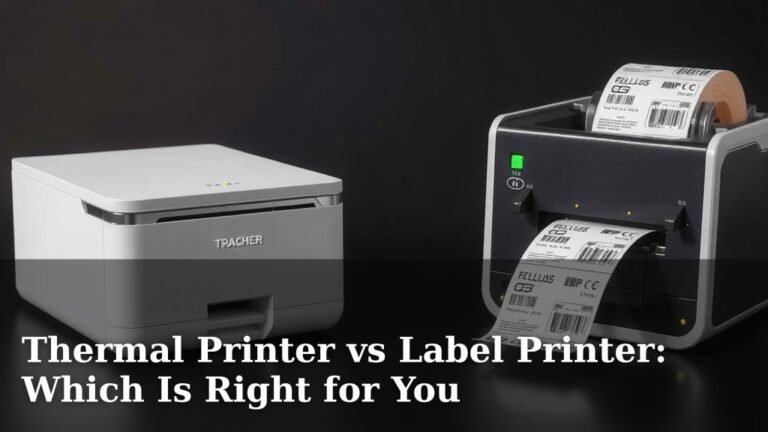
The main difference lies in how the image is created. Direct thermal printing uses heat-sensitive paper that darkens when heated, so it doesn’t need a ribbon. Thermal transfer printing uses a ribbon that melts ink onto the label material when heated, resulting in a much more durable and long-lasting print.
Can I use any type of thermal ribbon with my printer?
No, you generally cannot. Thermal printers are designed to work with specific types of ribbons. You need to ensure the ribbon material (wax, wax-resin, or resin) is compatible with both your printer model and the material you are printing on to get optimal results and avoid damaging your printhead.
How do I know if I need a wax, wax-resin, or resin ribbon?
Your choice depends on durability needs and the printing surface. Wax ribbons are best for uncoated paper labels for general indoor use. Wax-resin offers a good balance for coated papers and some synthetics with moderate handling. Resin ribbons are for the toughest jobs on synthetic materials in harsh environments.
Will thermal ribbon prints fade over time?
Prints made with thermal transfer ribbons are significantly more fade-resistant than those from direct thermal printing. Resin ribbons offer the highest resistance to fading from UV light, while wax ribbons are the least resistant. Properly chosen ribbons will maintain legibility for extended periods.
How does the ribbon material affect printhead life?
The harder the ribbon ink is to melt, the more heat and pressure your printhead needs to apply. Wax ribbons require the least heat, extending printhead life. Resin ribbons require the most heat, potentially leading to faster printhead wear if not properly maintained or if the printer isn’t calibrated correctly.