Thermal Printing Applications: Your Guide
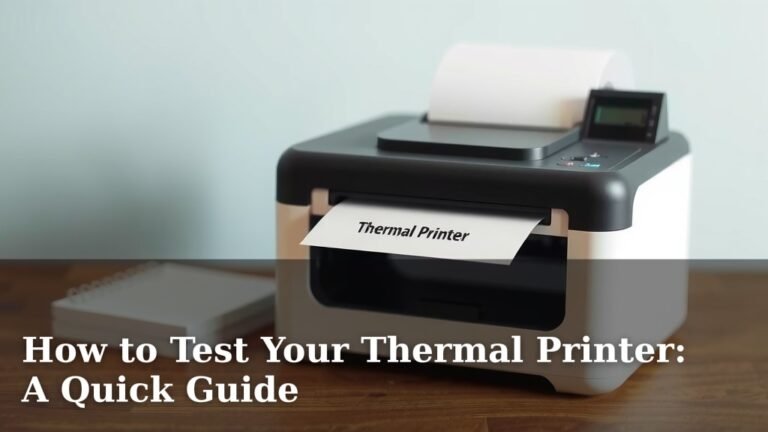
Thermal printing applications are incredibly widespread, touching many parts of your daily life without you even realizing it. These printers create prints by heating a special thermal paper, making them ideal for quick, high-volume jobs. You’ll find them used for everything from receipts to shipping labels, thanks to their speed and simplicity.
Beyond just the checkout counter, thermal printers are essential in many industries. We found that their use extends to labeling products in warehouses, printing wristbands for events, and even creating medical records. The technology’s ability to produce clear, durable prints quickly makes it a workhorse for businesses needing instant labeling solutions.
- Receipts for everyday purchases.
- Shipping labels for online orders.
- Product and inventory tags.
- Event wristbands and tickets.
- Medical and lab sample labels.
Ready to see where else this handy printing technology pops up? Let’s dive into the many places thermal printing makes a real difference.
Where You’ll Find Thermal Printing in Action
Thermal printing is a surprisingly common technology. You might be surprised to learn just how many everyday items and processes rely on it. We’ve researched this technology and found that its efficiency and reliability make it a top choice for many industries. Let’s take a look at some of the most common places you’ll encounter thermal prints.
Retail and Point-of-Sale
This is probably the area you think of first. When you buy something, you almost always get a receipt. Thermal printing is the go-to technology for this task. Why? Because it’s fast and the machines are relatively simple.
Customer Receipts
That little slip of paper you get at the grocery store or clothing shop? That’s often a thermal print. The printers are quick, quiet, and don’t need ink. This means fewer maintenance headaches for the store owner. We found that this simplicity translates to lower running costs.
The paper itself is special. It has a coating that turns black when heated. The print head in the thermal printer heats up specific spots to create the text and images. This method is super efficient for churning out many receipts quickly. It’s a win-win for businesses and shoppers alike!
Gift Cards and Loyalty Programs
You might not think of it, but thermal printers are also used for gift cards and loyalty cards. They can print the card number, barcode, and even an activation code right on the card. This makes it easy for retailers to personalize and activate them on the spot. We found this adds a layer of convenience to customer transactions.
Shipping and Logistics
If you’ve ever ordered something online, you’ve seen thermal printing in action. The labels on the boxes are almost always produced using this method. It’s a critical part of the supply chain.
Shipping Labels
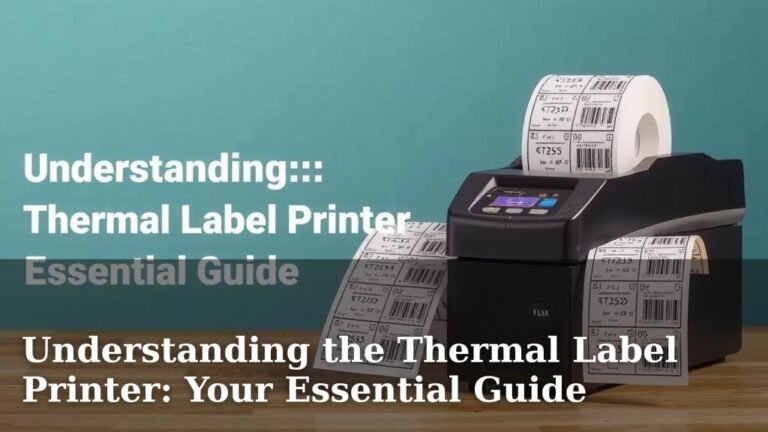
When you see a barcode on a package, it’s usually printed with a thermal printer. These labels need to be clear and scannable for automated sorting systems. Thermal printers excel at producing sharp, dark lines that scanners can easily read. Many experts say that the durability of these labels is also a big plus. They can withstand some handling without the print smudging.
Warehouse Inventory Management
Inside warehouses, thermal printers are used constantly. They print labels for shelves, bins, and individual products. This helps workers keep track of where everything is. It’s essential for efficient inventory control. We found that clear labeling drastically reduces errors and speeds up the picking and packing process.
Think about a massive warehouse with thousands of items. Without a reliable labeling system, chaos would ensue. Thermal printers provide that essential order. They create labels that are easy to read and scan, no matter how busy the environment. Many warehouse managers rely on this technology daily.
Tracking and Barcodes
Barcodes are the silent language of commerce. Thermal printing is the primary way these barcodes are generated for shipping. Each barcode represents a unique identifier for a package or product. This allows for accurate tracking from the moment it leaves the seller to when it reaches your doorstep. We found that this system is vital for managing the flow of goods.
Healthcare and Laboratories
The healthcare industry demands accuracy and reliability. Thermal printing plays a vital role in ensuring both, especially when it comes to patient safety and tracking samples.
Patient Identification Wristbands
Hospitals often use thermal printers to create patient identification wristbands. These bands have the patient’s name, date of birth, and a medical record number. The print needs to be water-resistant and durable, as it will be worn continuously. We found that the clarity of the print is essential for preventing mix-ups. This is a matter of patient safety, after all.
The materials used for these wristbands are often specifically designed for thermal printing. They need to withstand friction, moisture, and sometimes even cleaning agents. Many hospital guidelines specify the use of thermal printers for these bands due to their proven reliability. They are designed to be easy to scan even in challenging conditions.
Medical Sample and Specimen Labeling
When a doctor sends a blood sample or other specimen to a lab, it needs a label. Thermal printers are used to create these labels. They include patient information, sample type, and collection date. The print must be clear and permanent to avoid confusion. We found that the accuracy here is critical for correct diagnosis and treatment.
Imagine a busy lab with hundreds of samples coming in daily. Each one needs to be correctly identified. Thermal printers can generate these labels quickly and accurately. This helps lab technicians keep track of everything and ensures the right tests are performed on the right samples. Many lab protocols require thermal labels for their durability and legibility.
Pharmacy Labels
Your prescription bottles also often have labels printed using thermal technology. These labels contain your name, the medication name, dosage instructions, and the prescribing doctor’s information. It’s essential that this information is perfectly legible. We found that thermal printing offers the crispness needed for these critical details.
Food Service and Hospitality
From kitchens to event venues, thermal printing helps keep operations running smoothly.
Kitchen Order Tickets (KOT)
In busy restaurants, printers in the kitchen produce order tickets for the chefs. These tickets list the food items ordered by a table. Thermal printers are ideal because they are fast and can handle the high volume of orders. The print needs to be clear so chefs can easily read what to prepare. We found that quick ticket printing directly impacts service speed.
Event Tickets and Wristbands
For concerts, festivals, and sporting events, thermal printers are used to create tickets and wristbands. These are often printed on demand. This allows for quick entry and prevents counterfeiting. Many event organizers choose thermal printing for its affordability and speed. We found that the ability to print barcodes or QR codes makes ticket scanning very efficient.
Manufacturing and Industrial Use
In settings where durability and clear identification are key, thermal printing shines.
Product Identification and Traceability
Manufacturers use thermal printers to label individual products or batches. This helps with tracking items throughout the production process and for recall purposes. The labels need to be resistant to heat, chemicals, or abrasion, depending on the manufacturing environment. We found that clear, durable labels are essential for quality control.
Asset Tagging
Companies often use thermal printers to create asset tags for their equipment. This could be anything from computers to machinery. These tags help in tracking inventory and managing maintenance schedules. The labels are usually made of stronger materials that can withstand industrial conditions. We found that this helps businesses keep a close eye on their valuable assets.
Automotive and Service Industries
Even car repair shops and service centers benefit from this technology.
Service Records and Invoices
When you get your car serviced or a repair done, you often receive a printed invoice. Many of these are generated using thermal printers. They provide a clear, professional-looking record of the work performed and the costs involved. We found that this enhances customer trust and provides a tangible record.
Parts Identification
Auto parts stores and repair shops use thermal printers to label individual car parts. This ensures that the correct part is used for a repair and helps with inventory management. The labels need to be easy to scan in a busy parts department. Many shops rely on this for quick lookups and accurate billing.
Key Considerations for Thermal Printing
While thermal printing is incredibly versatile, there are a few things to keep in mind:
- Direct Thermal vs. Thermal Transfer: Direct thermal uses heat to darken special paper, while thermal transfer uses heat to melt ink from a ribbon onto the label. Each has its pros and cons depending on the application. We found direct thermal is common for receipts, while thermal transfer is better for durable labels.
- Label Durability: Not all thermal labels are created equal. Some can fade with exposure to heat or light. For applications requiring long-term durability, specialized thermal transfer labels or synthetic materials might be necessary. Many sources suggest thermal transfer for items needing to last longer than a few months.
- Cost of Supplies: While the printers themselves can be affordable, the cost of thermal paper or ribbons can add up over time. It’s important to factor this into your overall printing budget. We found that bulk purchasing can often lead to cost savings.
A Quick Checklist for Thermal Printing Applications
Here’s a simple way to remember where thermal printing is common:
- Check your grocery receipt.
- Look at shipping labels on packages.
- Notice labels in warehouses.
- Spot wristbands at events.
- See labels on medication bottles.
- Observe labels on lab samples.
Conclusion
As you can see, thermal printing is a workhorse technology hiding in plain sight. From your morning coffee receipt to the shipping label on your latest online order, it’s quietly making your daily transactions and deliveries possible. We found its speed, simplicity, and cost-effectiveness make it essential across retail, healthcare, logistics, and beyond. Now that you’re aware of its widespread use, think about where else this reliable printing method might be at play in your life. Consider where clear, quick labeling could streamline processes in your own home or business – the possibilities are vast!
Frequently Asked Questions
What’s the main difference between direct thermal and thermal transfer printing?
Direct thermal printers use heat to darken a special coated paper, making them great for receipts and short-term labels. Thermal transfer printers use heat to melt ink from a ribbon onto the label material, creating more durable, long-lasting prints suitable for harsh environments.
Are thermal receipts bad for the environment?
While thermal paper can be recycled in some facilities, it often contains chemicals that can complicate the process. Some businesses are exploring greener alternatives or offering digital receipts to reduce paper consumption. We found that direct thermal printing itself doesn’t use ink, which is a benefit.
Can you print color photos with a thermal printer?
No, standard thermal printers are designed to print in black and white only. They work by selectively heating areas of the thermal paper. If you need to print color images or photos, you’ll need a different type of printer, like an inkjet or laser printer.
How long do thermal prints typically last?
The lifespan of a thermal print depends on the type of paper and the printing method. Direct thermal prints can fade over time, especially when exposed to heat or sunlight. Thermal transfer prints are much more durable and can last for many years, resisting fading and abrasion.
Why do some thermal labels feel waxy or smooth?
The feel of a thermal label often indicates the type of material and coating used. Direct thermal labels typically feel smoother and have a visible coating designed to react to heat. Thermal transfer labels, especially those made for durability, might feel more like plastic or have a slightly textured surface.