What Is Thermal Paper: A Simple Explanation
Thermal paper is a special type of paper that turns black when exposed to heat. It’s coated with a heat-sensitive dye and developer. You see it most often on your receipts from stores and ATMs. This paper uses heat to create images and text.
This clever paper type works by reacting to a thermal print head. This print head heats up specific spots on the paper. When the dye and developer on the paper get hot enough, they combine. This chemical reaction creates the dark marks you see. It’s a surprisingly simple but effective technology.
- Thermal paper makes receipts and labels.
- It uses heat to create images.
- A special coating reacts to warmth.
- This allows for quick printing without ink.
- It’s a common sight in retail and banking.
Let’s walk through exactly how this paper works and what makes it so useful.
How Does This Heat-Sensitive Paper Work?
You’ve probably seen thermal paper everywhere, from your grocery store receipts to your ATM slips. But have you ever wondered how it actually creates those dark, crisp lines without any ink? It’s all thanks to a clever chemical reaction triggered by heat. This paper is coated with a special mixture that changes color when it gets warm.
Essentially, it’s a paper that reacts to temperature. When a thermal printer applies heat to specific points on the paper’s surface, a change happens. This change is what forms the text and images you see. It’s a really neat process that makes printing fast and efficient.
The Secret Coating: Dyes and Developers
The magic behind thermal paper lies in its unique coating. This layer isn’t just plain paper; it’s a carefully formulated blend. It contains a colorless dye and a special developer. Think of them as ingredients waiting for the right condition to mix and create something visible.
When the paper is cool, these ingredients are separate and inactive. They don’t interact. However, when heat is applied, they melt and combine. This union is what causes the dye to change from colorless to a visible, dark color, usually black. It’s a chemical dance powered by heat.
What are the main components?
The primary ingredients in this sensitive coating are typically:
- Leuco Dye: This is the dye that changes color. It’s the “ink” of the thermal paper.
- Developer: This chemical causes the dye to become visible. It provides the environment for the color change.
- Sensitizer: This ingredient helps the dye and developer melt at a lower temperature. It makes the process more efficient and prevents premature reactions.
The Role of the Thermal Print Head
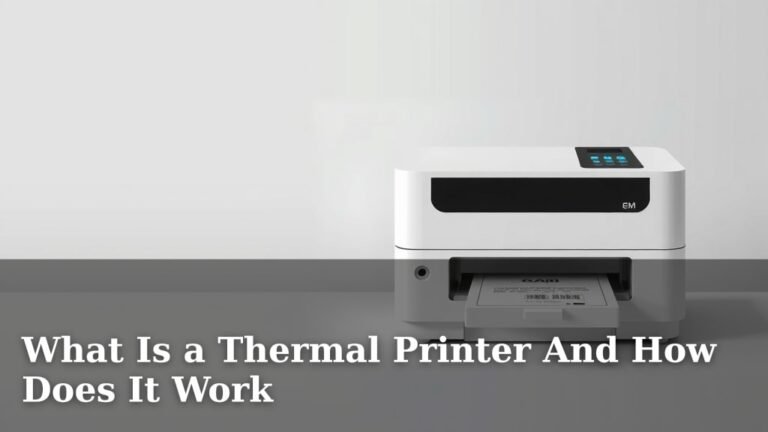
So, where does the heat come from? That’s where the thermal printer itself comes in. Thermal printers have a component called a print head. This print head is a grid of tiny, electronically controlled heating elements.
When you send a document to a thermal printer, the printer’s internal software tells the print head exactly which tiny elements to heat up. It’s like a microscopic, super-fast iron. Each heating element corresponds to a dot on the final image or text. The pattern of heated dots creates your printed output.
How the Heat Creates the Image
As the paper moves past the print head, the heated elements get very hot, very quickly. This heat causes the coating on the paper to melt in those specific spots. The dye and developer melt together. They react, and the dye turns black.
The parts of the paper that don’t get heated remain unchanged. This contrast between the heated (black) areas and the unheated (white) areas is what forms the text and images. It’s a binary process: heat and no heat, resulting in dark and light. This allows for very detailed printing without any moving parts like ink cartridges or toner.
Why is Thermal Paper So Popular?
Thermal paper has become incredibly popular for many reasons, especially in point-of-sale systems and other quick-printing applications. Its popularity stems from its simplicity and speed. It offers a straightforward printing solution.
Compared to traditional printers that use ink or toner, thermal printers are often more robust and require less maintenance. They also print much faster, which is critical in busy retail environments. Think about how quickly you get your receipt after a transaction.
Speed and Efficiency
One of the biggest advantages of thermal printing is its sheer speed. Because there’s no ink to transfer or toner to fuse, the printing process is almost instantaneous. The print head heats the paper directly, and the image appears immediately.
This speed is essential for businesses. Long lines can frustrate customers. Fast, reliable receipt printing keeps transactions moving smoothly. Many experts have noted that efficiency at checkout is a key factor in customer satisfaction (National Retail Foundation).
Simplicity and Lower Maintenance
Thermal printers are mechanically simpler than other types of printers. They have fewer moving parts. This means they are generally more durable and reliable. They also don’t require consumables like ink cartridges or toner refills.
This lack of ink means no messy spills or dried-out cartridges. You don’t need to worry about replacing parts as often. This translates to lower operational costs for businesses. The main “consumable” is simply the thermal paper roll itself. It’s a straightforward system.
Quiet Operation
Have you ever noticed how quiet thermal printers are? Traditional printers can be quite noisy with their ink-jet sprays or impact mechanisms. Thermal printers operate with a gentle hum or just a soft whirring sound as the paper moves.
This quiet operation is a pleasant change. It contributes to a less noisy environment, especially in customer-facing areas like checkouts or service desks. It makes for a more peaceful shopping or banking experience.
Where Do You Encounter Thermal Paper?
You encounter thermal paper far more often than you might realize. It’s a workhorse in many industries because of its practicality. Its primary use is for creating temporary or semi-permanent records quickly and affordably.
Think about all the places you receive printed slips or labels throughout your week. Chances are, many of them are made using thermal paper. It’s designed for high-volume, on-demand printing.
Retail and Grocery Stores
This is probably the most common place you see thermal paper. Every time you buy something, you get a receipt. These receipts are almost always printed on thermal paper. They serve as proof of purchase and an itemized record of your transaction.
The speed of thermal printing is perfect for busy cashiers. They can hand you your receipt almost instantly after your payment is processed. It keeps the checkout line moving efficiently. This is vital for customer flow.
Banking and ATMs
When you use an ATM, you usually have the option to print a receipt. This slip shows your transaction details, like withdrawals, deposits, or balance inquiries. These ATM receipts are another common application of thermal paper.
These slips provide a quick record for your personal budgeting and verification. They are printed immediately, so you have proof right in your hand before you leave the machine. Many people find these helpful for tracking their money.
Point-of-Sale (POS) Systems
Beyond just receipts, thermal paper is used in various point-of-sale devices. This includes credit card terminals, order printers in restaurants, and ticketing machines at events or transit stations.
Restaurants use them to print kitchen orders, ensuring accuracy. Ticket printers at events ensure you get your entry pass quickly. The reliability and speed make them ideal for these high-traffic uses.
Labels and Shipping
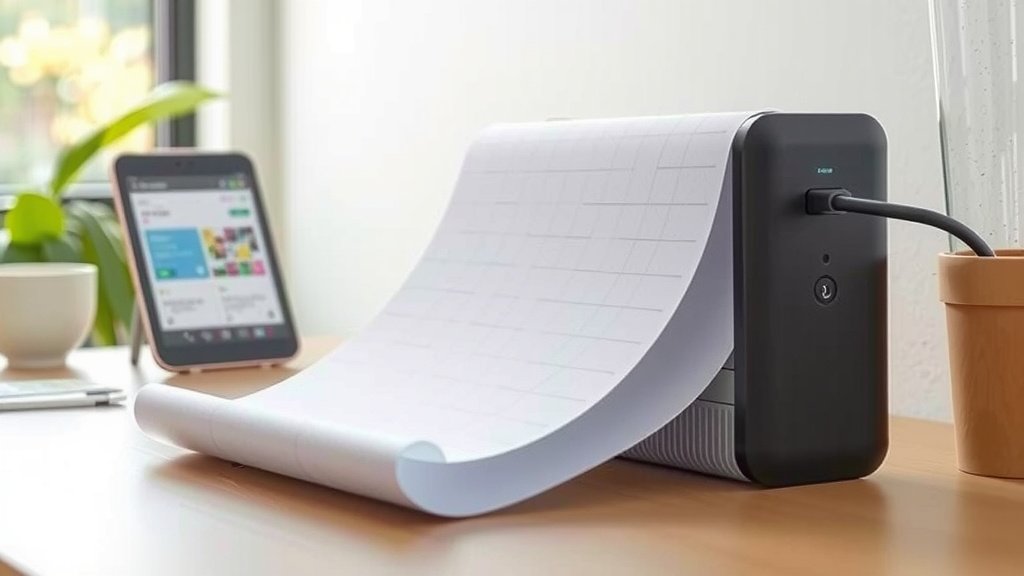
Thermal paper is also widely used for printing labels. This includes shipping labels for packages, product labels in inventory management, and even labels for parking tickets or visitor passes. The print is often sharp and easy to read.
For shipping, clear, durable labels are essential. Thermal transfer labels, a variation, are often used here for added durability. However, direct thermal labels are common for less permanent needs. They are quick to print and apply.
Durability and Longevity Concerns
While thermal paper is incredibly useful, it’s important to understand its limitations, particularly concerning its longevity and durability. Unlike standard paper printed with ink or toner, thermal prints are not meant to last forever without care.
The images printed on thermal paper are created by a chemical reaction. This reaction can be reversed or degraded under certain conditions. This means your important receipts or labels might fade over time.
Fading and Degradation
Thermal prints can fade for several reasons. Exposure to heat, direct sunlight, or even friction can cause the image to disappear. The chemicals in the coating are sensitive. Over time, they break down.
We found that receipts left in a hot car can become completely blank within days. Similarly, rubbing the surface can smudge or erase the print. Many guidelines suggest storing important receipts in a cool, dark place if you need them for long-term record-keeping (Consumer Financial Protection Bureau).
Protecting Your Thermal Prints
If you need to keep a thermal receipt for a long time, there are steps you can take. One common method is to make a copy. You can scan the receipt or take a clear photo with your smartphone.
Another option is to use a protective spray designed for thermal prints. However, the most reliable method for long-term archiving is to re-print the information onto regular, acid-free paper using a standard printer. This ensures the data is preserved. Some people even transcribe important details into a digital ledger or spreadsheet.
A Quick Checklist for Understanding Thermal Paper
Let’s recap some key points about this fascinating paper:
- Thermal paper uses a heat-sensitive coating.
- A thermal printer’s print head applies heat to create images.
- It’s ink-free, relying on dye and developer reactions.
- It’s known for speed and quiet operation.
- Common uses include receipts, labels, and ATM slips.
- Prints can fade over time, so consider archiving methods.
Conclusion
You’ve learned that thermal paper is a clever heat-sensitive material that makes printing fast and ink-free. Its special coating reacts to heat from a printer’s head, creating quick, clear images for receipts, labels, and more. While it offers great speed and low maintenance for businesses, remember that its prints can fade. If you need to keep records long-term, consider scanning or copying them. Now you can spot thermal paper everywhere and understand the simple science behind those everyday prints!
Frequently Asked Questions
Is thermal paper safe to use?
Generally, thermal paper is safe for everyday use like receipts. The chemicals used are usually non-toxic. However, some people might have skin sensitivities to the developers, though this is rare. It’s always a good idea to wash your hands after handling a lot of receipts if you have concerns.
Can thermal paper be recycled?
Recycling thermal paper can be tricky. The coating on the paper can interfere with the recycling process. Many recycling facilities prefer that you don’t include thermal paper in your mixed recycling bin. It’s best to check with your local recycling guidelines for specific instructions.
How long do thermal prints usually last?
Under normal conditions, thermal prints can last from a few months to a year before noticeable fading occurs. However, exposure to sunlight, heat, or friction can significantly shorten their lifespan, sometimes to just a few weeks. For important documents, consider making a backup copy.
What’s the difference between direct thermal and thermal transfer paper?
Direct thermal paper, which we discussed, uses a heat-activated coating. Thermal transfer paper, on the other hand, uses heat to melt a wax or resin ribbon onto the paper. This process creates more durable, long-lasting prints, often used for barcodes and durable labels.
Can I write on thermal paper with a regular pen?
Yes, you can write on thermal paper with most regular pens or pencils. The special coating is only sensitive to heat. However, be aware that the pressure from writing might slightly affect the coating, and the writing might fade over time if exposed to heat or sunlight, just like the printed text.