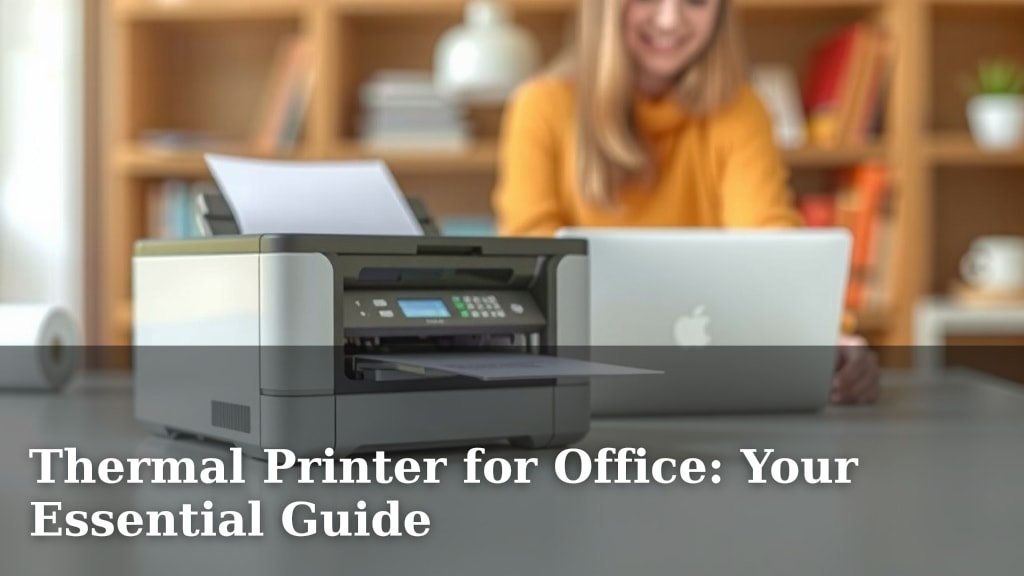
Thermal Printer for Office: Your Essential Guide
Yes, a thermal printer can be a fantastic tool for your office if you handle things like shipping labels, receipts, or small product tags. They offer speed and simplicity, avoiding ink or toner headaches. Think of them as your office’s speedy printing sidekick.
Unlike traditional printers, thermal printers use heat to create images. This means fewer moving parts and less maintenance for you. Many businesses find them perfect for high-volume, quick print jobs where quality is good but doesn’t need to be photo-perfect.
- Thermal printers use heat, not ink or toner.
- They are great for labels, receipts, and tags.
- Expect faster printing and less hassle.
- They are good for everyday office tasks.
Let’s dive into what makes a thermal printer a good fit for your office and what you should look for when picking one out.
So, you’re looking into a thermal printer for your office? That’s smart thinking! They’re not just for fancy shops; these printers can seriously streamline your daily tasks. We’re talking about making labels, printing receipts, or even marking tiny product tags. It’s about getting things done quickly and without fuss. Let’s break down why a thermal printer might be your office’s next best friend and what to keep in mind when you’re shopping around.
Why Consider a Thermal Printer for Your Office?
Thermal printers offer a unique approach to printing. They use heat to create images directly onto special paper. This means no ink cartridges or toner to worry about. Think of it as a much simpler, cleaner printing process for specific jobs.
The Speed and Simplicity Factor
One of the biggest wins is speed. Thermal printers can crank out labels and receipts much faster than traditional inkjet or laser printers. You’re not waiting for ink to dry or for complex print heads to move around. This is a big deal when you have a stack of shipping labels to get through. It’s like upgrading from a bicycle to a scooter for those short, frequent trips.
Cost Savings Over Time
While the initial cost might be similar to other printers, the long-term savings are often substantial. You’ll never buy ink or toner again. Those costs add up quickly! Plus, with fewer moving parts, thermal printers tend to have a longer lifespan and require less maintenance. Research shows that the cost-per-print for thermal labels is significantly lower than for traditional labels that require ink (LabelPrinterReviews.com).
Less Mess, Less Stress
Ink spills? Toner dust? Not on our watch! Thermal printing is a dry process. This means a cleaner workspace and no worries about smudged prints. This is especially helpful in busy office environments where spills can disrupt workflows. It’s a simple upgrade that can make your daily operations smoother.
What Can You Print with a Thermal Printer?
The applications for thermal printers in an office setting are surprisingly diverse. It’s not just about shipping labels, though that’s a huge one. Let’s look at some common uses.
Shipping and Mailing Labels
This is the bread and butter for many businesses. If you ship products, whether it’s a few packages a week or hundreds a day, a thermal printer is a game-changer. You can print labels directly from your shipping software. This means no more wrestling with sticky label sheets that jam printers. You get clear, crisp labels ready to go.
Receipts and Invoices
For businesses that need to provide physical receipts to customers or employees, a thermal receipt printer is ideal. They print quickly and the thermal paper is designed to last, though direct sunlight can fade it over time. It’s a professional touch that customers appreciate.
Product and Inventory Labels
Smaller offices might use thermal printers for creating price tags, product identification labels, or inventory management tags. You can easily print barcodes, product names, and prices. This helps keep your stock organized and makes checkout a breeze. Many systems allow you to connect them directly to your inventory software.
Event and Access Passes
If your office hosts events or needs to issue temporary access passes, thermal printers can create these on demand. This is quicker than ordering pre-printed badges, especially for last-minute additions.
Types of Thermal Printing Technologies
When you’re looking at thermal printers, you’ll notice two main types. Understanding the difference will help you choose the right one for your needs.
Direct Thermal Printing
This is the most common type for labels and receipts. Direct thermal printers use heat to activate a special coating on the thermal paper. When the print head heats up certain spots, they turn black.
- Pros: Simple design, no ink or toner needed, lower initial cost.
- Cons: Prints can fade over time, especially with heat or light exposure. Not ideal for documents that need to last for years.
Thermal Transfer Printing
Thermal transfer printers use a slightly different method. They use heat to melt ink from a ribbon onto the label material. This creates a more durable print.
- Pros: Prints are more permanent, resistant to fading and abrasion. Great for asset tags, outdoor labels, or anything that needs to be long-lasting.
- Cons: Requires both thermal transfer labels and ribbons, adding to the running cost. Slightly more complex operation.
For most common office tasks like shipping labels and receipts, direct thermal printers are perfectly adequate and more cost-effective. If you need prints that can withstand harsh conditions, then thermal transfer is the way to go.
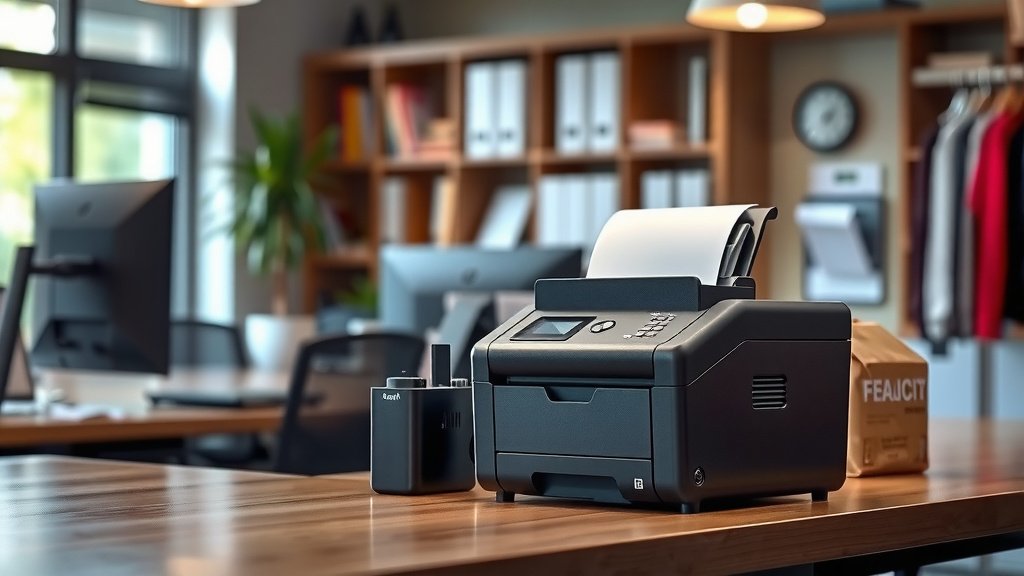
Key Features to Look For in an Office Thermal Printer
Not all thermal printers are created equal. Here’s what you should consider to ensure you get the best fit for your office.
Print Speed and Resolution
How fast do you need your labels? Most office thermal printers offer speeds from 4 inches per second (ips) up to 8 ips or more. For occasional use, 4 ips is fine. For high-volume printing, aim for 6 ips or higher. Resolution, measured in dots per inch (dpi), determines print clarity. 203 dpi is standard for most labels and text. 300 dpi or higher is better for very small text or detailed graphics.
Connectivity Options
How will you connect the printer to your computer or network? Common options include:
- USB: Most common and straightforward. Plug it into your computer.
- Ethernet: Allows you to share the printer on your office network.
- Wi-Fi: Offers wireless printing convenience.
- Bluetooth: Useful for mobile devices or specific portable setups.
Make sure the printer supports the connection method you need. A network-ready printer can be a real boon for a shared office space.
Label Size Compatibility
Check the range of label widths the printer can handle. Most office thermal printers work with standard 4×6 inch shipping labels. Others can print smaller labels for products or even wider labels for larger applications. Ensure the printer supports the sizes you use most often.
Durability and Build Quality
Even in an office, printers can get bumped or used frequently. Look for printers with a sturdy build. Reviews often mention how well a printer holds up over time. Many business-grade printers are designed for constant use.
Making the Switch: What to Expect
Transitioning to a thermal printer is usually pretty smooth. Here’s a quick rundown of what you can expect.
The setup is generally simple. You’ll connect it via USB or your network, install the drivers (usually straightforward), and load your thermal paper or labels. Most printers come with basic software to help you design and print your first label. You can often import data from spreadsheets or directly connect to your shipping software. It’s a small learning curve for a big gain in efficiency.
Consider this a checklist to help you evaluate your office’s needs before you buy:
- Assess your primary printing needs (shipping, receipts, inventory).
- Determine your print volume (how many labels/receipts per day/week).
- Check your existing software compatibility (shipping, POS, inventory).
- Decide on necessary connectivity (USB, network, Wi-Fi).
- Confirm required label sizes and types (direct thermal vs. transfer).
- Set a budget considering both the printer and ongoing supply costs.
By thinking through these points, you can be sure you’re choosing a thermal printer that truly fits your office’s workflow and budget. It’s about finding a tool that works *for* you, not against you!
Conclusion
You’ve seen how a thermal printer can be a real workhorse for your office. They excel at speeding up tasks like printing shipping labels, receipts, and inventory tags. By ditching ink and toner, you save money and reduce hassle. You also gain a cleaner workspace. Direct thermal is usually great for everyday needs, while thermal transfer offers more durability for demanding applications. Now, take a moment to assess your office’s specific printing demands and volume. Then, choose the right thermal printer that fits your workflow and budget. Your office will thank you for the efficiency boost.
Frequently Asked Questions
How long do thermal prints last?
Direct thermal prints can fade over time, especially when exposed to heat, sunlight, or certain chemicals. For most office uses like shipping labels, they last long enough. If you need archival quality, consider thermal transfer printing instead.
Can I print in color with a thermal printer?
No, standard office thermal printers can only print in black and white. They use heat to darken specific areas of the thermal paper or ribbon. Color printing is not a feature of these types of printers.
Are thermal printers difficult to set up?
Setup is generally quite easy. You’ll connect the printer to your computer via USB or network, install the provided drivers, and load your media. Most come with user-friendly software to get you started quickly.
What kind of paper do I need for a thermal printer?
You need special thermal paper or thermal transfer labels. Direct thermal printers use paper with a heat-sensitive coating. Thermal transfer printers use a special ribbon alongside the label material.
Are thermal printers noisy?
Thermal printers are typically much quieter than traditional inkjet or laser printers. The primary sound you’ll hear is the label or receipt passing through the machine, which is generally a low hum or whirring sound.