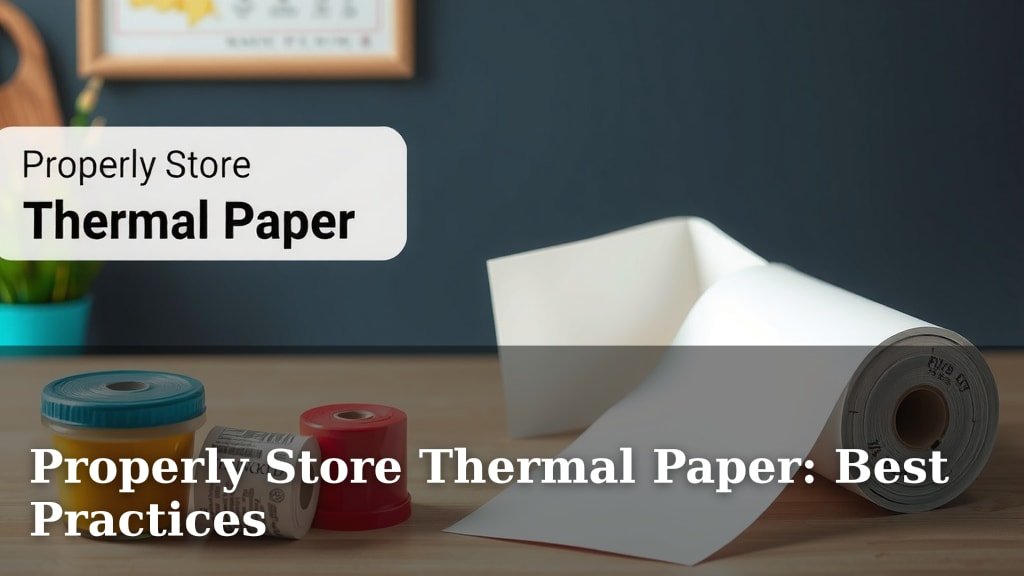
Properly Store Thermal Paper: Best Practices
To properly store thermal paper, keep it in a **cool, dry, and dark place**, away from heat, light, and chemicals. This prevents the heat-sensitive coating from degrading, which can cause faded receipts or images. Storing it correctly ensures your important records remain legible for as long as possible.
Thermal paper is essentially paper coated with a special heat-sensitive dye. When heat is applied, like by a printer’s head, the dye changes color. Exposure to **sunlight**, **excessive heat**, or even certain **adhesives** can trigger this color change prematurely. This is why careful storage is so important for its longevity.
- Store in a cool environment (under 77°F or 25°C).
- Keep it away from direct sunlight and UV light.
- Avoid storing near heat sources like radiators or ovens.
- Don’t expose it to moisture or high humidity.
- Keep it away from chemicals like alcohol or plasticizers.
Now, let’s walk through the best practices to ensure your thermal paper stays in top condition.
You’ve got your receipts, your important documents, or maybe even just those fun scratch-off lottery tickets printed on thermal paper. Now, you want to keep them crisp and readable. It might seem simple, but a few smart storage habits can make a world of difference.
Keeping Your Thermal Paper Readable for Longer
Properly storing thermal paper is all about protecting its special coating from things that can ruin it. You want to keep those important records clear and visible. Let’s look at the best ways to do just that.
Understanding What Makes Thermal Paper Special
Thermal paper isn’t like regular paper. It has a coating that reacts to heat. When your printer’s head warms up, it changes the paper’s color. This is what creates the text and images you see. Think of it like a chameleon that changes color when it gets warm. But unlike a chameleon, it can’t always change back easily!
The Heat-Sensitive Coating Explained
This coating is a mix of dye and a developer. When heated, they combine to make a mark. The trick is that this reaction can happen from other heat sources too. Even friction can sometimes cause problems. So, you have to be gentle and keep it away from triggers.
Why Improper Storage Leads to Fading
If you leave thermal paper out in the sun, the heat will start to turn the paper black or brown. This happens even if the printer never touched it. Similarly, if you store it near a heater or in a very hot car, the same thing can occur. Over time, this heat exposure damages the coating. It can become less sensitive or just permanently discolored. This means your vital information can become illegible.
The Ideal Storage Environment: Cool, Dry, and Dark
The best place for your thermal paper is somewhere that mimics a refrigerator’s conditions, but without the moisture. You want to create a stable environment. This means no drastic temperature changes or exposure to light.
Temperature Matters: Keeping it Cool
Research suggests that keeping thermal paper below 77°F (25°C) is ideal for long-term storage. Warmer temperatures speed up the degradation process. Think of it like trying to keep ice cream from melting. The warmer it gets, the faster it turns into a puddle. Your thermal paper coating is similar. Keeping it cool slows down unwanted chemical reactions. Many storage guidelines recommend a consistent temperature. This prevents the paper from being exposed to heat spikes that can degrade the image.
Humidity Control: Staying Dry is Key
Moisture is another enemy of thermal paper. High humidity can cause the paper to curl or become damp. It can also affect the chemical coating. Damp paper can lead to smudged prints or complete fading. You want to keep your paper in a place where the air is dry. Avoid storing it in bathrooms, basements, or garages if these areas tend to be humid. Aim for an environment with less than 60% relative humidity, which is considered moderate (Cleveland Clinic).
The Power of Darkness: Shielding from Light
Light, especially direct sunlight, is a major culprit for fading thermal paper. Sunlight contains ultraviolet (UV) rays. These rays can break down the dye in the thermal coating. Over time, this causes the printed image to fade away. Even fluorescent lights can emit enough UV to cause gradual fading if the paper is exposed for long periods. Keeping your paper in a dark place, like a drawer or a box, is essential. This protects it from light damage. Many experts advise storing it away from windows.
Practical Storage Tips for Different Scenarios
Now that you know the environmental factors, let’s talk about how to put this into practice. Whether you have a large roll or just a few sheets, the principles are the same.
Storing Rolls of Thermal Paper
When you get a new roll of thermal paper, it’s usually wrapped in plastic. Keep it that way until you’re ready to use it. This plastic wrap acts as a good first line of defense against moisture and dust. Store the rolls upright or on their side, whichever prevents them from rolling around. Avoid stacking heavy items on top of them. A dedicated shelf in a cool, dry closet is often a great spot. If you have many rolls, consider storing them in a plastic bin with a lid.
Storing Printed Receipts and Documents
This is where many people encounter problems. Receipts stored in a wallet or a car glove compartment can fade quickly. This is because wallets can get warm, and glove compartments are often exposed to fluctuating temperatures and sunlight. For important receipts, like those for warranties or tax purposes, make a copy. You can scan them or take a clear photo with your phone. Then, store the original in a cool, dry, dark place. An album or a file folder kept inside a cabinet works well. Research shows that certain plasticizers in photo albums can also damage thermal paper over time. So, be mindful of the materials you use for long-term storage (National Archives).
What to Avoid: Common Storage Mistakes
Some everyday items can unintentionally harm your thermal paper. Let’s be clear about what not to do. You don’t want to store thermal paper next to anything that could leak or off-gas. Some common culprits include:
- Adhesives: The chemicals in glue sticks or tape can react with the thermal coating.
- Plasticizers: Found in some plastic bags, binders, or even PVC products. These can cause fading.
- Cleaning Supplies: Alcohol-based cleaners or solvents are a big no-no.
- Friction: Rubbing the paper can cause dark marks.
- Heat Sources: Radiators, ovens, direct sunlight, or even warm electronics.
Think of it like storing delicate food items. You wouldn’t put milk next to onions, right? Keep your thermal paper away from strong odors or reactive substances.
A Quick Checklist for Optimal Storage
To make it super simple, here’s a quick checklist to keep your thermal paper in top shape:
- Store in a cool place (below 77°F or 25°C).
- Keep it dry, avoiding high humidity areas.
- Protect it from all forms of light, especially sunlight.
- Keep it away from chemicals, adhesives, and plasticizers.
- Store original prints in protective sleeves or albums if needed.
- Check your storage area periodically for any changes in temperature or moisture.
Comparing Storage Methods: What Works Best?
Let’s break down some common storage scenarios and how they measure up. This can help you decide where to keep your important thermal documents.
| Storage Location | Temperature Stability | Moisture Risk | Light Exposure | Overall Suitability |
|---|---|---|---|---|
| Inside a climate-controlled building (e.g., office, home) | Good | Low to Moderate | Low (if stored properly) | Excellent |
| Car glove compartment or trunk | Poor (high fluctuations) | Moderate | High (if exposed to sun) | Poor |
| A damp basement or garage | Moderate | High | Low (usually) | Poor |
| Wallet or purse (for receipts) | Poor (body heat) | Moderate | High (if exposed) | Poor |
As you can see, a stable indoor environment is your best bet. The goal is consistency. Avoid places where temperatures swing wildly or where moisture is a constant issue. If you must store important receipts in a wallet, consider making digital copies immediately. Many financial experts recommend digitizing receipts for tax purposes anyway (IRS).
Conclusion
You now have a clear roadmap to keep your thermal paper readable and your important records intact. Remember, the golden rule is to store it in a cool, dry, and dark place. By avoiding heat, direct light, and reactive chemicals, you’re essentially shielding that sensitive coating. Whether it’s rolls of paper or printed receipts, these simple habits make a big difference. Take a moment today to assess your current storage spots and make any necessary adjustments to protect your thermal paper.
Frequently Asked Questions
How long can thermal paper last when stored properly?
With optimal storage conditions—cool, dry, and dark—thermal paper can retain its readability for several years. However, factors like the quality of the paper and the exact storage environment can influence its exact lifespan.
Can I store thermal paper in a plastic container?
Yes, storing thermal paper in a sealed plastic container can be beneficial, especially if it helps protect against moisture and dust. Just ensure the container itself isn’t made of materials known to off-gas plasticizers that could damage the paper’s coating.
What happens if I accidentally leave thermal receipts in my car overnight?
Leaving thermal receipts in a car can expose them to temperature fluctuations and potential moisture, even if it’s not raining. This exposure can accelerate the fading process, making the print less legible over time.
Is it okay to laminate thermal paper for preservation?
Laminating thermal paper is generally not recommended for long-term preservation. The heat and adhesives used in the lamination process can damage the thermal coating and cause the print to fade or turn black.
Can normal household cleaning supplies affect thermal paper?
Yes, many common household cleaning supplies can damage thermal paper. Products containing alcohol or solvents, like hand sanitizer or certain cleaners, can react with the heat-sensitive coating and cause the print to disappear or become discolored.