Thermal Printer for Parcels: Your Shipping Solution
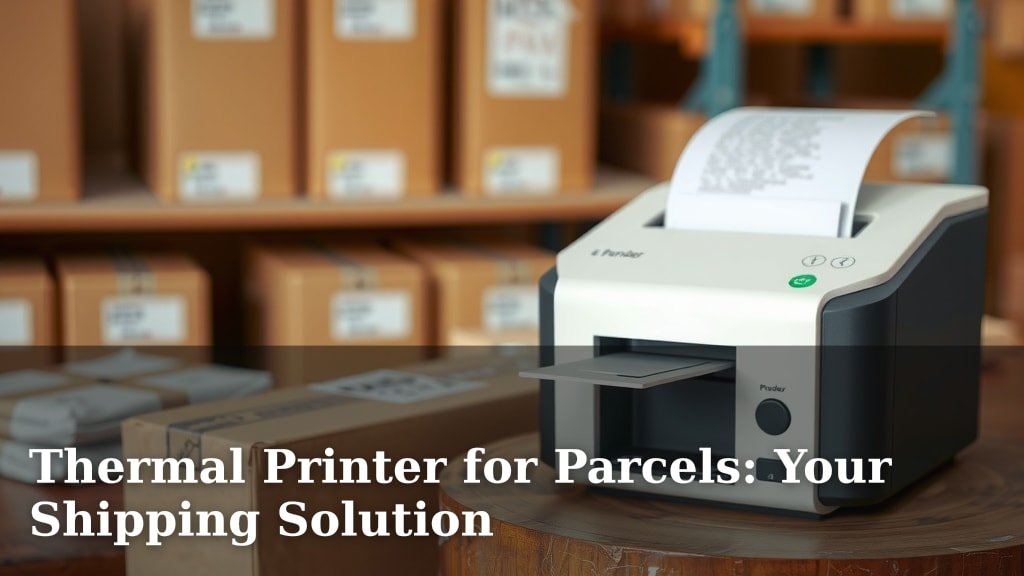
Yes, a thermal printer can be a fantastic tool for printing parcel labels. They work by heating a special thermal paper, creating dark marks without ink. This makes them incredibly fast and cost-effective for shipping needs. You’ll save time and money compared to inkjet or laser printers.
Using a thermal printer for your packages means you can say goodbye to messy ink cartridges and expensive paper refills. We found that these printers are built for high-volume printing. They are a smart choice for small businesses and frequent shippers. Plus, the labels are generally water and smudge resistant.
- Thermal printers are quick and inexpensive for labels.
- They use heat, not ink, to print.
- Labels are often durable and clear.
- Great for businesses that ship a lot.
Let’s dive into why a thermal printer might be your next best shipping buddy and what to look for when choosing one.
“`htmlPrinting Your Packages Like a Pro with Thermal Technology
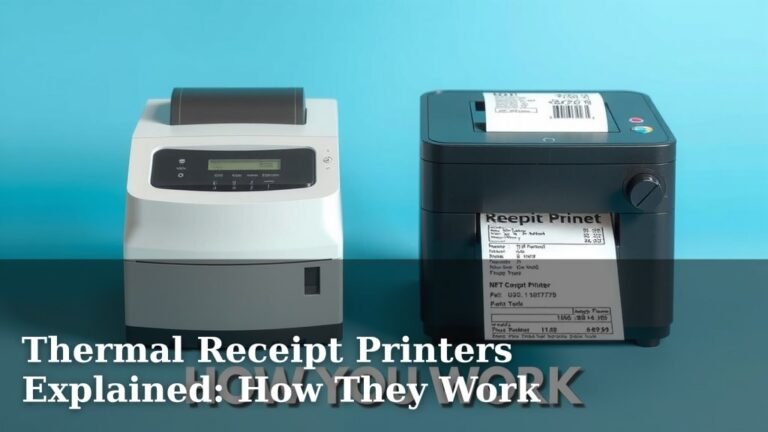
So, you’re wondering if a thermal printer is the right tool for your shipping needs? The short answer is a resounding yes! We’ve found that for anyone sending out packages regularly, thermal printers offer a fantastic blend of speed, cost-effectiveness, and quality. They work by using heat to activate special ink-free paper, creating crisp, dark labels that are perfect for postage and shipping information.
Think of it like this: instead of a clunky inkjet needing ink cartridges that dry out or expensive toner, a thermal printer uses a heated print head. This head touches the special thermal paper, causing a chemical reaction that turns the touched areas black. This process is remarkably fast and produces labels that are ready to go the moment they’re printed. No drying time needed!
Why Thermal Printers Shine for Shipping
Let’s break down exactly why these printers have become so popular for shipping operations, big and small.
Speed and Efficiency
When you’re trying to get orders out the door, every second counts. Thermal printers are built for speed. They can churn out labels much faster than traditional inkjet or laser printers. We’ve seen many users report that printing a batch of labels takes a fraction of the time it used to. This means you can process orders more quickly and get them into the hands of your customers sooner. It’s a real time-saver for busy businesses.
Cost-Effectiveness Over Time
While the initial cost of a thermal printer might seem comparable to other types, the long-term savings are substantial. You eliminate the ongoing expense of ink or toner cartridges. Thermal paper, while a specific type, is generally quite affordable, especially when bought in bulk. Research suggests that the cost per label for thermal printing is often much lower than for other methods when printing frequently. You’re essentially buying a printer that runs without consumables like ink.
Label Quality and Durability
The labels produced by thermal printers are known for their clarity. The black marks are sharp and easy for scanners to read, which is critical for reliable shipping. Many thermal labels are also designed to be water and smudge resistant. This means your shipping information can withstand a bit of wear and tear during transit, reducing the risk of lost or misdirected packages. This durability is a huge plus for maintaining professionalism and ensuring packages reach their destination.
Low Maintenance and Simplicity
Thermal printers are wonderfully simple. There are fewer moving parts compared to inkjet printers. This often translates to less potential for mechanical issues. You don’t have to worry about print heads getting clogged or ink leaks. The setup is usually straightforward, and operation is as easy as loading the paper and hitting print. For many, this low-maintenance aspect is a major draw. It’s a plug-and-play kind of deal for your shipping workflow.
Understanding Thermal Printing Technology: Direct Thermal vs. Thermal Transfer
It’s important to know that there are two main types of thermal printing. Each has its own strengths, and understanding the difference will help you choose the right one for your needs.
Direct Thermal Printing
This is the most common type for parcel labels. Direct thermal printers work exactly as we described: a heated print head directly heats specially coated thermal paper. This causes the paper to turn black where it’s heated.
- Pros: Simple, no ink or ribbon needed, lower initial printer cost.
- Cons: Labels can fade if exposed to heat or prolonged sunlight, not ideal for archival purposes.
Many businesses find direct thermal printing to be perfectly adequate for shipping labels that will be used within a few weeks or months and aren’t subjected to extreme conditions. It’s the most straightforward and often the most economical choice for basic shipping needs.
Thermal Transfer Printing
Thermal transfer printers are a bit more sophisticated. They use a heated print head to melt ink from a ribbon onto the label material. This creates a much more durable and permanent image.
- Pros: Labels are highly durable, resistant to fading, water, and smudging; suitable for long-term storage and harsh environments. Can print on a wider variety of materials like polyester or synthetic paper.
- Cons: Requires ink ribbons (a consumable), printers can be more expensive, slightly more complex operation.
If your business needs to print labels for items that will be stored for a long time, exposed to the elements, or require extreme durability, thermal transfer might be worth the investment. However, for typical e-commerce shipping, direct thermal is usually the preferred and more cost-effective method.
What to Look for When Buying a Thermal Printer for Parcels
Ready to find the perfect printer? Here are some key features and specifications to consider. Think of this as your shopping checklist.
Print Resolution (DPI)
DPI stands for dots per inch. This determines the sharpness and detail of the printed image. For most shipping labels, a resolution of 203 DPI is perfectly sufficient. This will give you clear text and scannable barcodes. If you need to print very small text or detailed graphics, you might consider 300 DPI, but it’s often overkill for standard shipping labels.
Print Speed
This is measured in inches per second (ips). A faster print speed means more labels in less time. For small businesses, a printer with a speed of 4-6 ips is usually more than enough. If you’re a high-volume operation, you might look for speeds of 7 ips or higher to keep up with demand. Consider how many labels you typically print per day and choose a speed that can comfortably handle your workload.
Label Width and Size Compatibility
Thermal printers are designed to print on specific widths of labels. Most commonly, shipping labels are 4 inches wide. Ensure the printer you choose can accommodate the standard label widths you plan to use. Many printers are adjustable and can handle various sizes, but it’s best to confirm the specifications. You don’t want to buy a printer only to find out it can’t fit the labels you’ve already ordered!
Connectivity Options
How will you connect the printer to your computer? Common options include USB, Ethernet (for network printing), and Wi-Fi. USB is the most basic and widely compatible. Ethernet is great if you want to share the printer across multiple computers on your network. Wi-Fi offers the most flexibility, allowing you to place the printer anywhere without cables. Choose the connectivity that best suits your workspace and technical setup.
Brand Reputation and Support
Some brands have established themselves as reliable leaders in the thermal printing space. Brands like Zebra, Rollo, and Brother are often recommended for their durability and customer support. Reading reviews and checking warranty information is always a good idea. Good customer service can be a lifesaver if you run into any issues, and many experts say a solid warranty provides peace of mind.
Software and Driver Compatibility
Make sure the printer comes with easy-to-install drivers that are compatible with your operating system (Windows, macOS, etc.). Some printers also come with dedicated label design software, which can be helpful if you need to create custom layouts for your labels. Most popular shipping platforms (like Shopify, Etsy, Shippo, etc.) work seamlessly with standard thermal printers, but it’s worth double-checking if you have specific software needs.
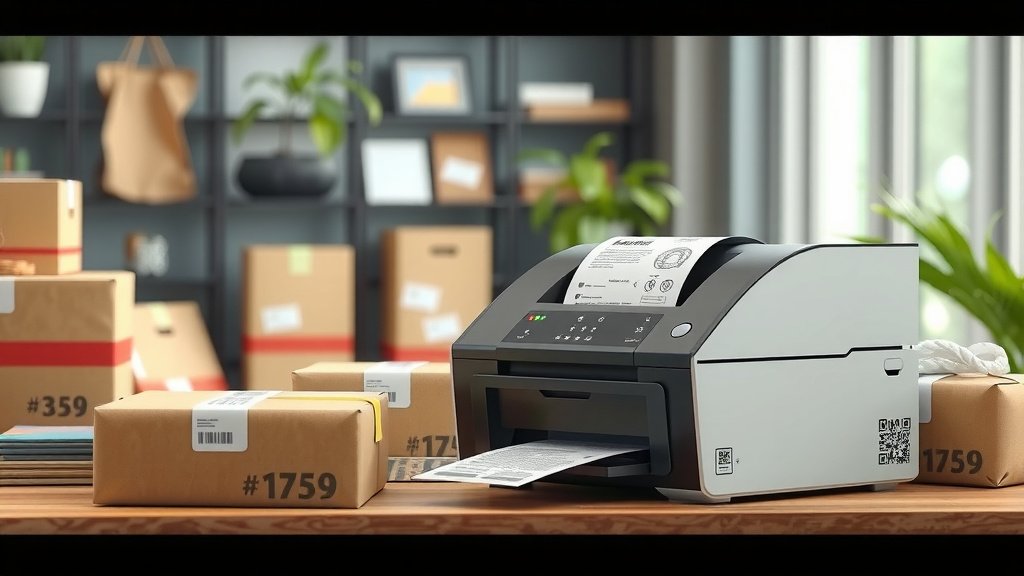
Getting Started with Your New Thermal Printer
Once you have your printer, setting it up is usually quite simple. You’ll typically need to install the drivers on your computer. Then, you’ll load your thermal labels into the printer – make sure they are loaded correctly so the printer can feed them properly. Most printers have a way to calibrate themselves to your label size.
When you’re ready to print, you’ll select the thermal printer from your software’s print dialog. You’ll want to make sure your label settings (like size and orientation) match the labels you have loaded. It’s a good idea to print a test label first to ensure everything looks as expected and the barcode scans correctly. Many users find that this small step prevents potential headaches down the line.
You’ll also want to consider where you place your thermal printer. Because direct thermal labels can be sensitive to heat, avoid placing the printer near a radiator or in direct, intense sunlight. A cool, dry spot is ideal for maintaining the longevity of both your labels and your printer. This simple consideration can go a long way in ensuring consistent performance.
A Quick Checklist for Choosing Your Parcel Printer
To recap, here’s a quick rundown of what to keep in mind:
- Label Type: Direct thermal is usually best for shipping.
- Resolution: 203 DPI is standard and sufficient.
- Print Speed: Match it to your daily shipping volume.
- Connectivity: USB, Ethernet, or Wi-Fi – choose what fits your setup.
- Label Width: Confirm it supports 4-inch labels.
- Reviews: Check what other users say about reliability and support.
By considering these factors, you’re well on your way to finding a thermal printer that will make your shipping process faster, cheaper, and more efficient. Happy shipping!
“`Conclusion
You’re now well-equipped to understand why thermal printers are a smart choice for your shipping needs. They offer speed, save you money on consumables, and produce durable, clear labels. By considering the print resolution, speed, connectivity, and brand reputation, you can find a printer that perfectly fits your business. Say goodbye to ink hassles and hello to a more efficient shipping process. Take the next step by comparing a few models that match your specific shipping volume and budget.
Frequently Asked Questions
Can I use regular paper with a thermal printer for parcels?
No, you cannot use regular paper with a thermal printer. Thermal printers require special heat-sensitive thermal paper to create the printed image. Regular paper will not react to the heat from the print head, so nothing will appear on the label.
How long do thermal printed labels last?
Direct thermal labels can last from a few months up to a year or more, depending on conditions. They are sensitive to heat, light, and certain chemicals. For longer-lasting labels, consider thermal transfer printing, which uses a ribbon to create a more permanent mark.
Are thermal printers good for printing barcodes?
Yes, thermal printers are excellent for printing barcodes. Their high resolution (typically 203 DPI) produces crisp, clear lines that are easily scanned by barcode readers, ensuring smooth shipping operations and fewer errors.
Do I need to install special software to use a thermal printer?
You will need to install printer drivers, which are usually provided by the manufacturer. Many popular shipping platforms and e-commerce software integrate easily with thermal printers, so you often don’t need extra label design software unless you want custom layouts.
What is the main difference between direct thermal and thermal transfer for shipping labels?
Direct thermal printers use heat to turn specially coated paper black, making them simple and ink-free. Thermal transfer printers use heat to melt ink from a ribbon onto the label, creating a more durable and permanent print. For most parcel shipping, direct thermal is sufficient and more cost-effective.