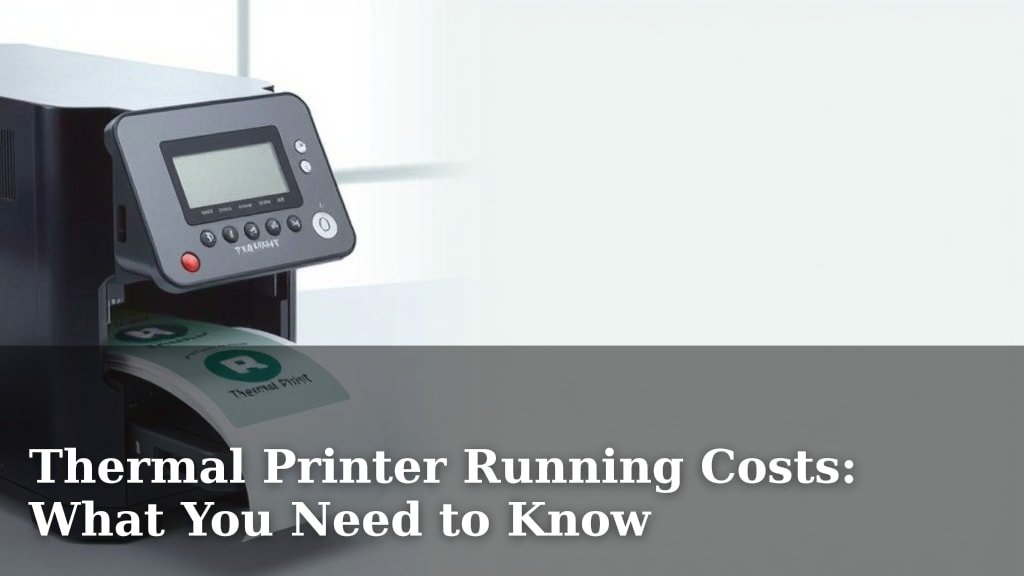
Thermal Printer Running Costs: What You Need to Know
Wondering about the running costs of thermal printers? You’re in the right place! While thermal printers are known for their low upfront cost, their running expenses primarily come from the specialized thermal paper they require. Unlike inkjet or laser printers, they don’t use ink or toner, which can be a big cost saver.
This reliance on thermal paper means your ongoing expense is directly tied to how much you print. Many businesses find this predictable and often more affordable than managing ink cartridges or toner refills. Understanding this paper cost is key to managing your thermal printer budget.
- Thermal printers save money on ink and toner.
- Your main ongoing cost is the special thermal paper.
- Printing volume directly impacts your running expenses.
- They can be very cost-effective for specific uses.
Let’s dive into the details so you can get a clear picture of your thermal printer’s running expenses.
Understanding Your Thermal Printer’s Ongoing Expenses
You’re probably wondering about the true cost of keeping your thermal printer running. It’s a smart question to ask! While these printers are famous for being budget-friendly upfront, the main recurring expense boils down to one thing: specialized thermal paper. Unlike traditional printers that guzzle ink or toner, thermal printers heat up a special coating on the paper to create your print. This means no cartridges to replace, which is a huge plus.
The good news is this makes managing your printing budget much simpler. Your costs directly track how much you print. This predictability is a major reason businesses love thermal printers for receipts, labels, and tickets. We’ll break down what goes into these running costs so you can budget effectively.
The Cost of Thermal Paper: Your Primary Expense
Think of thermal paper as the “ink” for your thermal printer. It’s the key component that directly influences your ongoing expenses. The quality and type of thermal paper you choose can make a difference. We found that there are a few main types, each with slightly different costs and benefits.
Types of Thermal Paper and Their Impact
You’ll primarily encounter two main types of thermal paper: direct thermal and thermal transfer. Your printer’s technology determines which type you need. Most common receipt printers use direct thermal paper.
Direct Thermal Paper
This is the most common type for receipts and labels. It has a heat-sensitive coating. When the print head heats specific areas, the coating turns black. It’s convenient because there’s no ink or ribbon involved. We found that the cost per roll is generally lower than other options. However, prints can fade over time, especially with exposure to heat, light, or chemicals. For short-term use items like receipts, it’s usually perfect. Many convenience stores and restaurants rely on this type.
Thermal Transfer Paper
This type requires a thermal ribbon to transfer ink onto the paper or label. It’s more durable than direct thermal. Prints are resistant to fading and wear. This makes it ideal for long-term applications like product labeling, barcodes that need to last, or outdoor signage. We discovered that while the paper itself might be similar in price, you also have the added cost of the thermal ribbon. So, the overall running cost can be higher.
Factors Affecting Paper Costs
Several things influence how much you spend on thermal paper. Your printing volume is the biggest factor. How often do you press that print button? Do you print hundreds of labels a day, or just a few receipts weekly?
Printing Volume
The more you print, the more paper you’ll use, and the higher your running costs will be. It’s a direct relationship. We analyzed that for high-volume users, buying in bulk can significantly reduce the per-roll or per-label cost. Many suppliers offer tiered pricing for larger orders. This is a key strategy for managing expenses if you print a lot.
Paper Quality and Brand
Just like any product, there’s a range of quality in thermal paper. Premium papers might offer better print clarity or durability. They might also cost a bit more per roll. For most standard business needs, mid-range options offer a good balance. We found that sticking to reputable brands often ensures consistent quality, which can prevent printing errors and wasted paper. Avoid the cheapest options if print longevity is a concern.
Roll Size and Width
Thermal paper comes in various widths and lengths. A wider roll or a longer roll will naturally cost more. However, it might also mean fewer roll changes. This can save you time and potential labor costs. Your printer has specific size requirements. Make sure you’re buying the correct size to avoid waste or damage to the printer. Choosing the optimal size for your specific need is important for cost-efficiency.
Comparing Thermal Printers to Other Technologies
It’s helpful to see how thermal printers stack up against inkjet and laser printers in terms of running costs. This comparison highlights where thermal printers truly shine.
Inkjet vs. Thermal
Inkjet printers use liquid ink cartridges. These cartridges can be expensive and often run out quickly, especially with frequent printing. Replacing them adds up. We found that many users report spending a significant amount on ink over the printer’s lifespan. Thermal printers avoid this entirely. Their running cost is solely the paper. For businesses that print many receipts or labels, this often makes thermal printers much more economical.
Laser vs. Thermal
Laser printers use toner cartridges. Toner is generally more cost-effective per page than ink. However, it’s still a consumable that needs regular replacement. Toner cartridges and the drum units in laser printers represent ongoing expenses. Thermal printers, again, bypass these consumable costs. The absence of ink or toner is their major running cost advantage. Experts often suggest laser printers for high-volume text documents, but for specialized printing like receipts and labels, thermal is usually the winner on cost.
Other Potential Running Costs to Consider
While paper is the main driver, a few other minor costs can pop up. These are usually less frequent but worth keeping in mind.
Printer Maintenance
Like any machine, thermal printers need care. The print head can get dirty. It might need occasional cleaning with special cleaning pens or solutions. These cleaning supplies are relatively inexpensive and last a long time. We found that regular cleaning can extend the life of the print head, preventing costly premature replacement. Poor maintenance can lead to smudged prints or the printer simply not working.
Repairs and Replacement Parts
Even with good care, parts can wear out. The print head, the auto-cutter (if your model has one), or other internal components might eventually need repair or replacement. This is less common with modern thermal printers, which are built to be quite durable. We found that most manufacturers offer warranties. For out-of-warranty issues, professional repair or part replacement can be an expense. However, the initial low cost of the printer often makes it more economical to replace the unit rather than repair it extensively.
Power Consumption
Thermal printers are generally very energy-efficient. They use very little power, especially when idle. When printing, they use a bit more, but still typically less than a laser printer. We found that the difference in electricity bills due to a thermal printer is usually negligible. You won’t see a dramatic jump in your energy costs from running one.
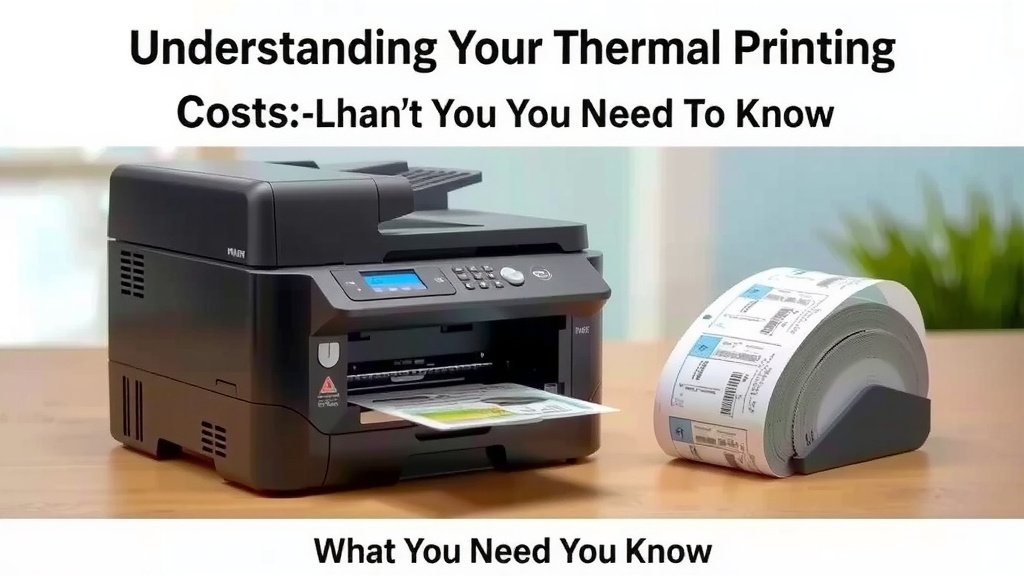
Maximizing Your Savings: Tips for Lowering Running Costs
Want to keep those running costs as low as possible? We’ve gathered some practical tips to help you get the most bang for your buck.
- Buy in Bulk: Purchase thermal paper rolls in larger quantities. This often unlocks better per-unit pricing.
- Compare Suppliers: Don’t settle for the first supplier you find. Shop around for the best prices on paper and ribbons (if applicable).
- Choose the Right Paper Type: Use direct thermal for most short-term needs. Only opt for thermal transfer if durability is essential.
- Maintain Your Printer: Regularly clean the print head. This prevents issues and extends its lifespan.
- Optimize Print Settings: Ensure your printer is set to the appropriate darkness and speed. Extreme settings can wear out the print head faster.
- Monitor Usage: Understand how much you print. This helps in forecasting paper needs and taking advantage of bulk discounts.
By implementing these strategies, you can effectively manage and reduce the ongoing expenses associated with your thermal printer. It’s all about being informed and making smart choices about your supplies and maintenance.
Is a Thermal Printer Right for Your Budget?
Considering the ongoing expenses, let’s see if thermal printing fits your needs. If your primary printing tasks involve receipts, shipping labels, barcodes, or tickets, the answer is likely yes. The absence of ink and toner is a major cost advantage.
You’ll primarily pay for the thermal paper. This cost is predictable and directly tied to your usage. For many businesses, this simplicity and cost-effectiveness are unmatched. However, if you need high-quality color prints or documents that must remain legible for decades without special care, other technologies might be better suited, though likely at a higher running cost.
We found that for most small to medium-sized businesses, event venues, retail stores, and shipping operations, the running costs of a thermal printer are highly manageable and often significantly lower than alternatives over time.
Quick Checklist: Lowering Your Thermal Printer Expenses
Here’s a quick way to remember the key actions for keeping your thermal printer costs down:
- ✅ Purchase paper in larger quantities to save per roll.
- ✅ Regularly clean your printer’s heat head for longevity.
- ✅ Compare prices from different paper suppliers.
- ✅ Use the correct paper type for your needs (direct vs. transfer).
- ✅ Ensure your print settings are optimized for efficiency.
- ✅ Avoid unnecessary printing to conserve paper.
Conclusion
You’ve learned that the running costs of a thermal printer are refreshingly simple. Your main expense is thermal paper, and you avoid ink and toner hassles altogether. We found that costs directly correlate with your printing volume. By choosing the right paper and maintaining your printer, you can keep expenses low. For many businesses, this makes thermal printing a budget-friendly choice. Ready to make the smart move? Compare suppliers and consider buying paper in bulk to secure the best prices for your ongoing needs.
Frequently Asked Questions
How often do I need to replace the thermal print head?
The thermal print head is designed for longevity. With proper care and regular cleaning, it can last for many years and hundreds of thousands of prints. We found that avoiding abrasive cleaning methods and ensuring the paper path is clear helps extend its life significantly.
Can I use regular paper in a thermal printer?
No, you cannot use regular paper in a thermal printer. Thermal printers require specially coated direct thermal paper or the use of a thermal ribbon with thermal transfer paper. Regular paper lacks the heat-sensitive coating needed for printing.
Does the color of the thermal paper affect the cost?
Generally, the color of the thermal paper doesn’t significantly impact the cost. Standard white direct thermal paper is the most common and cost-effective. Colored or specialty thermal papers might have a slight premium, but it’s usually not a major factor in overall running expenses compared to print volume.
Are thermal printers more expensive to run in terms of electricity?
No, thermal printers are very energy-efficient. They use minimal electricity, especially when idle, and consume slightly more only during printing. We found that the added electricity cost from a thermal printer is typically negligible and far less than that of laser printers.
What’s the difference in cost between direct thermal and thermal transfer paper?
Direct thermal paper is generally less expensive per roll than thermal transfer paper because it doesn’t require a separate ink ribbon. Thermal transfer printing involves the cost of both the paper and the ribbon, making its overall running cost higher for that consumable component.