Thermal Printer Ink: What You Need to Know
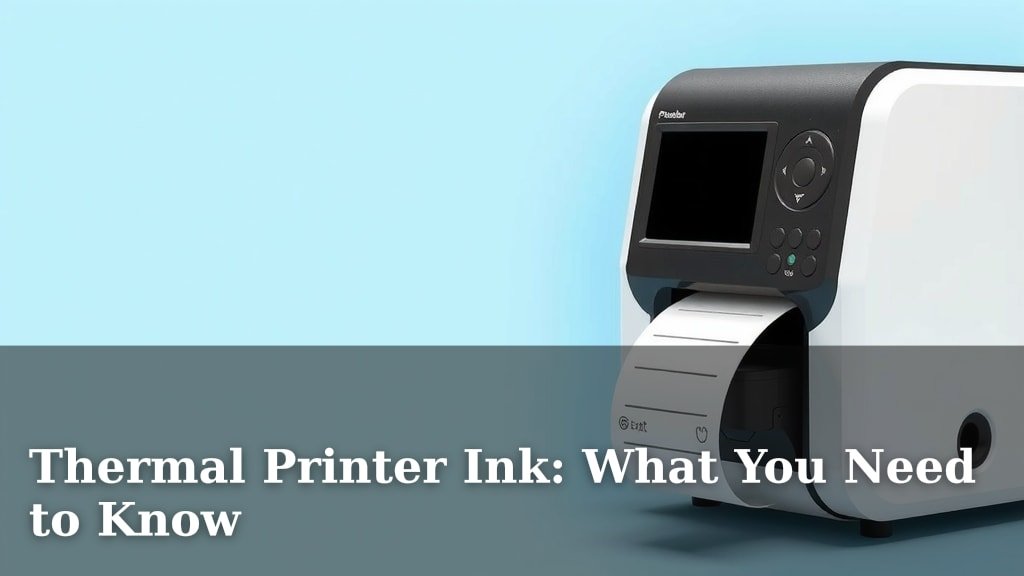
Thermal printers do not use ink cartridges like your typical office printer. Instead, they rely on special heat-sensitive paper and a print head that applies heat to create an image. This means you won’t be buying thermal printer ink because it simply doesn’t exist. Your thermal printer uses a different technology entirely to get the job done.
This unique printing method makes thermal printers very popular for receipts and labels. They are known for their speed and quiet operation. Because there’s no ink to dry out or spill, they offer a low-maintenance printing experience. Understanding this fundamental difference is key to knowing how your thermal printer works and what supplies you’ll need.
- Thermal printers don’t use ink; they use heat.
- Special heat-sensitive paper is required.
- No ink means less mess and maintenance.
- Ideal for receipts, labels, and tickets.
Ready to dive deeper? Let’s walk through exactly how this heat-based printing works and what you need to keep your thermal printer running smoothly.
It’s a common question, and a very understandable one if you’re used to traditional printers. You’re probably wondering about the ink for your thermal printer. Let’s clear this up right away: thermal printers don’t use ink at all. No cartridges, no spills, no drying out. It’s a completely different approach to printing.
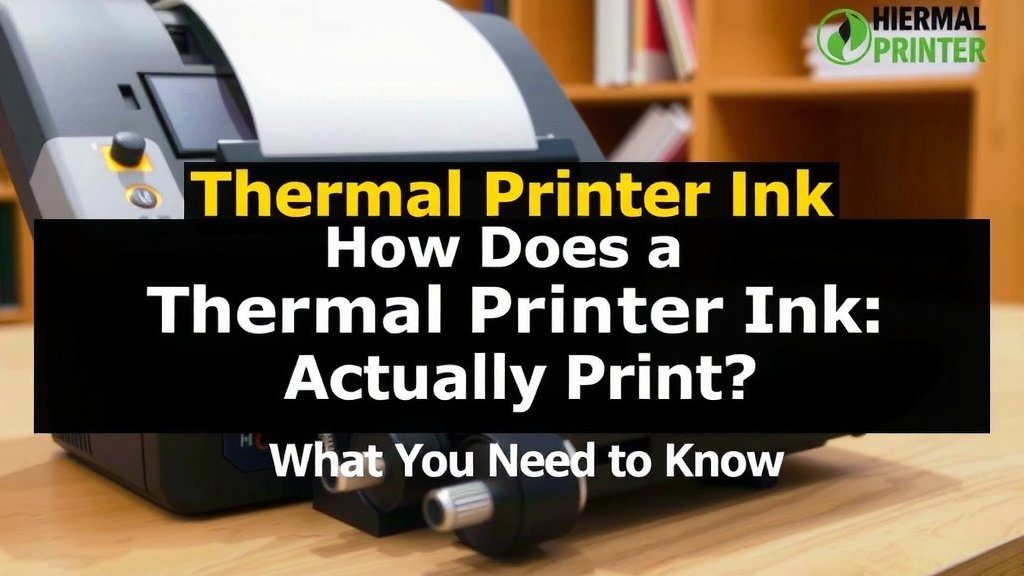
How Does a Thermal Printer Actually Print?
Thermal printers work by using heat to create an image. Think of it like a dot-matrix printer, but instead of little pins hitting an ink ribbon, you have a special print head that heats up. This heat is applied to a special type of paper.
The Magic of Heat-Sensitive Paper
The key to thermal printing is the special thermal paper. This paper has a coating that changes color when it’s heated. When the thermal print head comes into contact with the paper, it heats specific dots. These heated dots turn black, forming the text or image you see on your printout. It’s pretty neat when you think about it!
The Thermal Print Head: Your Inkless Wonder
The print head in a thermal printer is made up of tiny heating elements, often arranged in a line. As the paper moves past the print head, these elements are activated in precise patterns. They generate just enough heat to trigger the color change on the paper. The resolution of your print depends on how many of these heating elements are packed into the print head. More elements mean sharper, more detailed prints.
Direct Thermal vs. Thermal Transfer: A Quick Look
You might hear about two main types of thermal printing: direct thermal and thermal transfer. It’s important to know the difference because it affects what supplies you need.
Direct Thermal Printing
This is the type we’ve been discussing. It uses direct thermal paper that reacts to heat. You don’t need anything else. This is why direct thermal printers are often used for things like grocery receipts or shipping labels. The paper is the star of the show here.
Thermal Transfer Printing
This method is a bit different. It uses thermal transfer ribbon, which is like a thin plastic film coated with ink. The print head heats the ribbon, melting the ink onto a special label or paper. This method creates more durable prints, often used for barcodes that need to last or labels exposed to harsh conditions. So, while it uses a “ribbon,” it’s still not an ink cartridge in the traditional sense.
Why No Ink? The Benefits of Thermal Printing
So, why did manufacturers move away from ink? There are some really great advantages to this heat-based system. For starters, think about the convenience. You never have to worry about running out of ink mid-print or dealing with messy ink stains on your hands or desk.
Lower Running Costs Over Time
While the initial cost of thermal printers might be comparable to ink printers, the ongoing expenses are often much lower. You’re not constantly buying expensive ink cartridges. The main consumable you’ll need is the special thermal paper or ribbon. Many experts say this can lead to significant savings, especially for businesses that print a lot (Business Insider).
Speed and Quiet Operation
Have you ever waited for an old ink printer to churn out a document? Thermal printers are much faster. Since there are no ink jets to clean or print heads to move back and forth slowly, they can produce prints very quickly. They are also incredibly quiet. You’ll hardly hear them working, which is a nice bonus in a busy office or retail environment.
Durability and Longevity of Prints
Direct thermal prints are generally good for many common uses. However, they can fade over time, especially when exposed to heat or direct sunlight. This is where thermal transfer printing shines. Prints made with thermal transfer ribbons are highly durable. They resist fading, smudging, and harsh environmental factors. This makes them ideal for product identification and long-term archiving (Supply Chain Dive).
What Supplies Do You Actually Need?
Since there’s no ink, what should you be stocking up on? It’s pretty straightforward. Your primary need will be the correct type of paper or labels. Using the wrong kind can lead to poor print quality or even damage to your printer.
Understanding Paper Types
This is perhaps the most critical point. For direct thermal printers, you absolutely must use direct thermal paper. This paper has the special coating that reacts to heat. If you try to use plain paper, nothing will print. If you use paper not designed for thermal printing, you could clog the print head or cause it to overheat.
For thermal transfer printers, you’ll need two things:
- Thermal transfer labels or paper: These are designed to accept the melted ink from the ribbon.
- Thermal transfer ribbon: This is the consumable that contains the “ink.” It comes in a roll and matches the width of your labels.
Choosing the Right Size and Format
Make sure you buy labels or paper rolls that are the correct size and width for your specific printer model. Most thermal printers are designed for specific roll diameters and widths. Check your printer’s manual or look for specifications online. Getting this wrong means the paper might not feed correctly, or you’ll have a lot of wasted space on your prints.
Common Thermal Printer Supply Checklist
To keep your thermal printer running smoothly, here’s a quick checklist of what you’ll need:
- The correct size and type of thermal paper rolls (for direct thermal printers).
- Or, thermal transfer labels and matching thermal transfer ribbons (for thermal transfer printers).
- A cleaning kit or isopropyl alcohol and lint-free cloths for maintaining the print head.
- A proper power adapter and USB or network cable.
- Check your printer’s manual for any specific maintenance supplies it recommends.
So, the next time you think about your thermal printer, remember it’s all about the heat and special paper, not ink. It’s a simple, efficient system that offers a lot of benefits.
Conclusion
You’ve learned that thermal printers don’t use ink. Instead, they rely on a clever process involving heat and special paper. This means you’ll never buy ink cartridges for your thermal printer. Your main supplies will be direct thermal paper or thermal transfer labels and ribbons, depending on your printer type. Understanding this is key to efficient operation and avoiding common mistakes. Now you know exactly what to look for when it’s time to restock. Always double-check your printer’s manual to ensure you’re getting the right consumables for your specific model.
Frequently Asked Questions
Can I use regular paper in my thermal printer?
No, you cannot use regular paper in a direct thermal printer. Direct thermal printers require special heat-sensitive paper that changes color when heated by the print head. Regular paper will not react to the heat, and nothing will print.
What happens if I try to use the wrong type of thermal paper?
Using the wrong type of thermal paper can cause several problems. Your printer might not print clearly, or it could even damage the print head. For direct thermal printers, always use paper specifically labeled as “direct thermal.”
How often do I need to replace the thermal print head?
The thermal print head is designed to last a long time. Replacement depends on usage and maintenance. Keeping the print head clean with isopropyl alcohol and lint-free cloths can significantly extend its lifespan. Consult your printer’s manual for recommended cleaning intervals.
Are thermal transfer ribbons the same as ink cartridges?
No, thermal transfer ribbons are not the same as ink cartridges. Ribbons are thin plastic films coated with ink that melts onto the label when heated. They are used in thermal transfer printers, not traditional ink printers. There are no liquid inks or messy cartridges involved.
Why do some thermal receipts fade over time?
Receipts printed using the direct thermal method can fade because the special coating on the paper is sensitive to heat, light, and even friction. For prints that need to last longer and resist fading, a thermal transfer printer with a ribbon is usually a better choice.