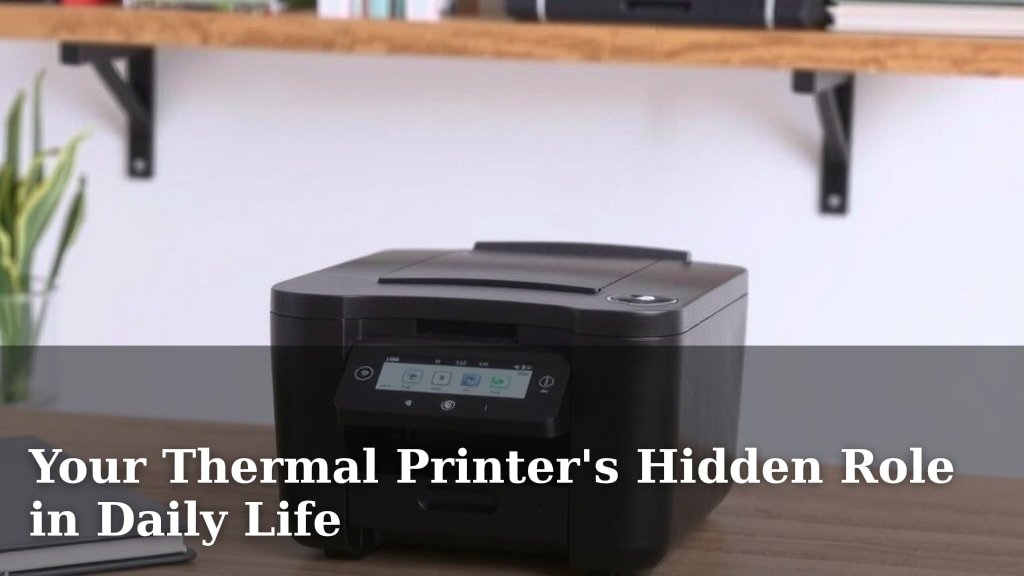
Your Thermal Printer’s Hidden Role in Daily Life
Yes, you likely use a thermal printer more often than you realize! These handy devices print receipts, shipping labels, and event tickets. They create prints by heating special paper, making them quick and quiet for everyday tasks. You might have encountered one at the grocery store, a concert, or when ordering online.
Thermal printers are a common sight in retail and logistics. They handle everything from grocery lists to package tracking. Their simplicity and speed make them perfect for high-volume environments. We found they are also used for medical wristbands and parking stubs, showing their wide reach.
- Thermal printers heat special paper to make images.
- You see them making receipts, labels, and tickets daily.
- They are known for being fast and quiet.
- Many industries rely on them for quick printing needs.
Let’s dive into how these silent workhorses fit into your busy life and where you’ll find them.
You might be surprised how often you interact with a thermal printer. It’s not just about receipts anymore. These handy devices are quietly working behind the scenes in many parts of your life. Let’s look at where you’ll find them and how they make things happen.
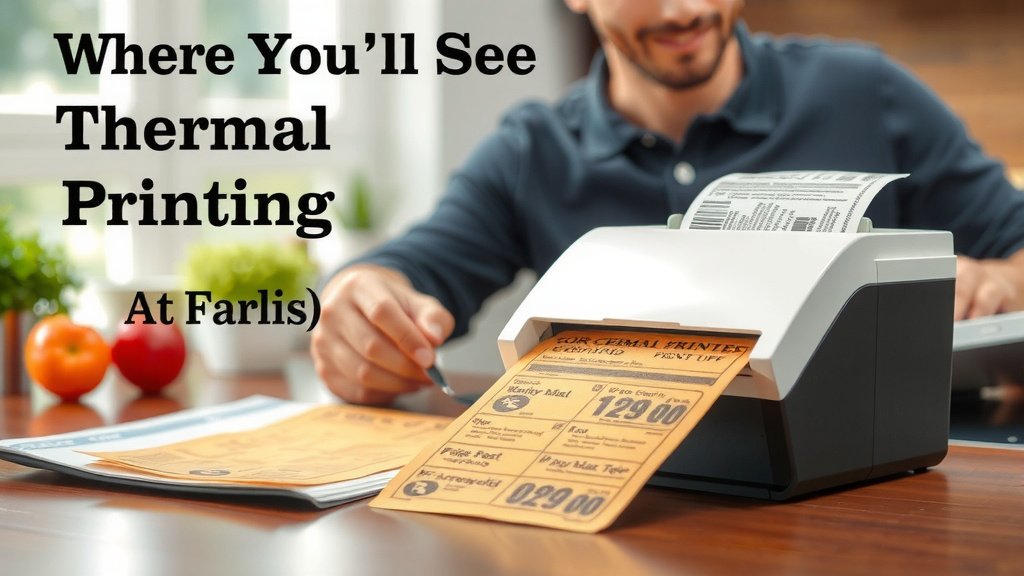
Where You’ll See Thermal Printing in Action
Thermal printers are everywhere, making tasks quicker and simpler. You probably encounter them daily without even thinking about it.
Your Shopping Trips Made Easy
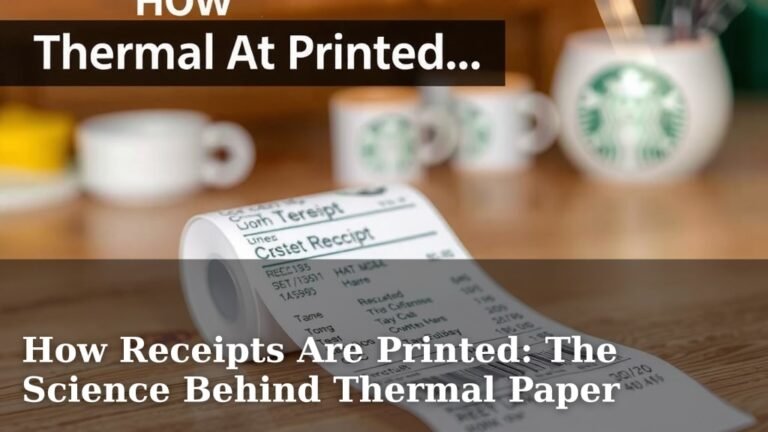
Think about your last trip to the grocery store or your favorite clothing shop. The checkout counter likely has one of these printers. It’s the machine that swiftly spits out your receipt. This allows you to pay and go without waiting around. They print these quickly so you can get on with your day.
Getting Your Packages Delivered
Ordering online has become a huge part of our lives. When you get a package, that shipping label on the box? That’s very likely printed by a thermal printer. These labels contain all the important tracking information. They are essential for getting your items from the warehouse to your doorstep.
Companies rely on them for speed and accuracy. A clear, well-printed label helps prevent shipping errors. It means your online shopping habit stays smooth and hassle-free.
Events and Entertainment Access
Heading to a concert, a sports game, or a movie theater? Your ticket was probably printed using thermal technology. These printers can produce tickets with barcodes or QR codes. This makes entry quick and organized for large crowds. No one wants to be stuck in a long line waiting for a ticket to print!
Healthcare and Patient Care
In hospitals and clinics, thermal printers play a vital role in patient safety. You might have received a medical wristband with your information. These are often printed thermally. This ensures that patient data is clear and easy to read in critical situations. It’s a small detail that aids in providing accurate care.
Doctors and nurses can quickly print labels for samples or patient records. This helps keep everything organized and reduces the chance of mistakes. It’s a quiet but important part of healthcare operations.
Transportation and Parking Solutions
Ever driven into a parking garage? The ticket you get when you enter is often thermal. It records your entry time. When you leave, the machine prints your payment receipt. This helps manage traffic flow and billing. These printers handle a lot of tickets daily.
Public transport systems also use them for boarding passes or daily tickets. It’s a simple way to manage passenger flow and fare collection.
How Thermal Printers Actually Work
The magic behind a thermal printer is quite clever. It uses heat to create images on special paper. No ink or toner is involved, which is a big part of why they are so fast and quiet.
The Role of Thermal Paper
The key ingredient is the thermal paper itself. This paper is coated with a special heat-sensitive dye. When the printer’s heating element touches the paper, it causes a chemical reaction. This reaction turns the heated spots dark, forming the image or text you see.
The Printing Process Unpacked
Inside the printer, there’s a print head with many tiny heating elements. As the paper moves past the print head, specific elements heat up. They heat up in a pattern that matches the information you want to print. Think of it like a very precise, very fast dot-matrix printer, but using heat instead of impact.
This direct thermal printing method is very simple. It means fewer moving parts compared to other printer types. This contributes to their reliability and low maintenance. We found that the lack of ink cartridges also means you don’t have to worry about ink drying out or running out unexpectedly.
Why Thermal Printers Are So Popular
The popularity of thermal printers comes down to a few key advantages. Their design makes them ideal for busy environments where speed and efficiency are crucial.
Speed and Efficiency
One of the biggest benefits is their printing speed. Because they don’t need to warm up ink or move print heads back and forth like some other printers, they can produce prints almost instantly. This is essential for point-of-sale systems where customers are waiting.
Quiet Operation
Have you ever noticed how quiet these printers are? That’s because there’s no noisy impact involved. The print head just heats the paper. This quiet operation is a major plus in environments like retail stores or quiet offices. It doesn’t add to the ambient noise level.
Cost-Effectiveness Over Time
While the initial cost might be similar to other printers, thermal printers often prove more cost-effective in the long run. They don’t require ink cartridges or toner. This eliminates a recurring expense. The main ongoing cost is the special thermal paper.
Their simple design also means fewer breakdowns and less need for repairs. Many experts say that the low maintenance factor is a big draw for businesses (CDC).
Durability of Prints
Modern thermal prints are surprisingly durable. While early versions could fade if exposed to heat or sunlight, today’s thermal papers are much more robust. They can resist smudging and fading for a good amount of time. This makes them perfect for items like shipping labels that need to last.
It’s worth noting that there are two main types: direct thermal and thermal transfer. Direct thermal is what we’ve mostly discussed, using heat-sensitive paper. Thermal transfer printers use a heated ribbon to create a more permanent image on standard paper or labels. For everyday receipts and tickets, direct thermal is the most common type you’ll encounter.
Making Your Life Easier: A Quick Checklist
So, to recap, thermal printers are quietly making many daily tasks smoother for you. Here’s a quick checklist of where you likely see them:
- Grocery Store Receipts: Printed instantly at checkout.
- Online Shopping Labels: Essential for package delivery.
- Event Tickets: Your entry pass to concerts and games.
- Medical Wristbands: Key for patient identification in healthcare.
- Parking Stubs: Helping you track entry and payment.
- Boarding Passes: For smoother travel experiences.
You see? These printers are more than just receipt machines. They are silent helpers that keep our busy lives moving efficiently. Their simple yet effective technology ensures that important information is printed quickly, quietly, and reliably, day in and day out.
Conclusion
As you can see, thermal printers are quiet superstars in your daily routine. They’re the reason your shopping receipts print so fast and your online packages arrive with clear labels. From entertainment tickets to important medical wristbands, these printers efficiently handle essential tasks without fuss. You benefit from their speed and reliability every day. Next time you receive a printed item, take a moment to appreciate the simple, heat-driven technology behind it. Your next step? Consider how this efficiency might apply to your own needs, whether for a small business or personal organization.
Frequently Asked Questions
Can I use regular paper in a thermal printer?
No, you cannot. Thermal printers require special thermal paper coated with a heat-sensitive dye. Regular paper won’t react to the heat from the printer’s head, so no image will be produced. Always make sure you have the correct thermal paper for your printer.
Do thermal printers use ink?
Direct thermal printers, the most common type for everyday use, do not use ink or toner. They create images by heating the special paper. This is why they are so quiet and fast. It also means you won’t have to worry about replacing ink cartridges.
How long do thermal prints last?
The longevity of thermal prints has improved significantly. While older prints could fade quickly when exposed to heat or sunlight, modern thermal papers are much more durable. For typical indoor use, like on receipts, they can last for several months to a year. For items like shipping labels that need more permanence, they generally hold up well.
Are thermal printers eco-friendly?
Thermal printers can be considered eco-friendly in some ways because they don’t use ink cartridges, which often contain plastics and chemicals. However, the special thermal paper itself is not always easily recyclable due to its coating. Some companies are developing more sustainable thermal paper options.
What’s the difference between direct thermal and thermal transfer printing?
Direct thermal printing uses heat to activate a chemical reaction on special thermal paper, creating the image directly. Thermal transfer printing uses a heated ribbon to melt ink onto standard labels or paper, creating a more durable and permanent print. You’ll typically see direct thermal for receipts and tickets, and thermal transfer for things like durable product labels or barcodes.