The Evolution of Thermal Printing Technology
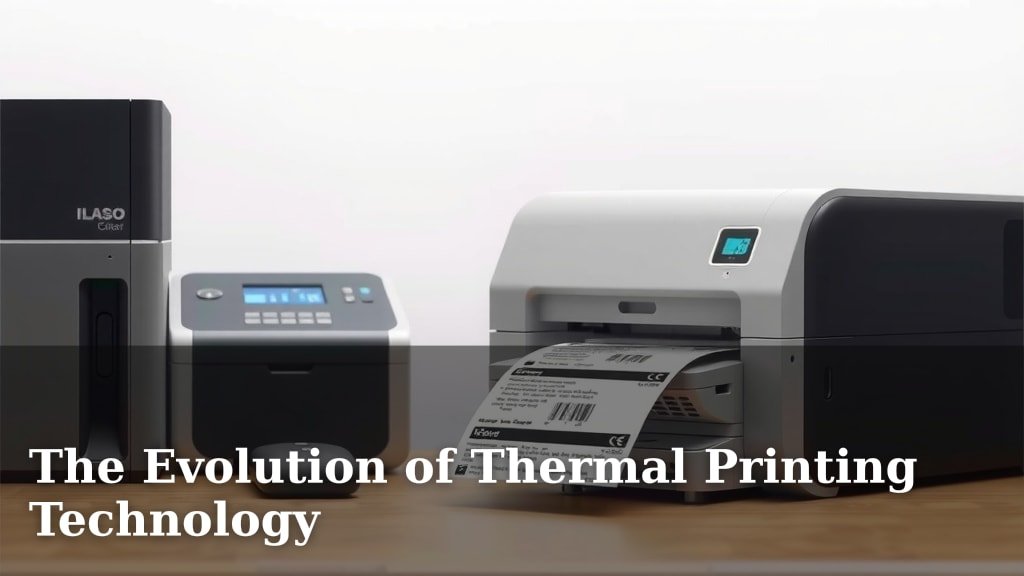
The evolution of thermal printing shows a fascinating journey from bulky machines to sleek, modern devices. Today, thermal printers are essential for many businesses, quickly producing receipts, labels, and tickets. This technology relies on heat to create an image on special paper, making it a fast and efficient printing method.
When thermal printing first appeared, it was a real change. Early models were quite different from the compact and quiet printers you see now. Research shows that the technology has seen constant upgrades, improving both speed and print quality over the decades. It’s quite a story!
- Thermal printing uses heat to make images.
- It started with larger machines and has become much smaller.
- Technology has improved speed and print quality greatly.
- It’s now a common tool for many businesses.
Let’s take a closer look at how this amazing printing method has changed over time, from its beginnings to the handy devices we use today.
A Look Back at How Thermal Printing Developed
The journey of thermal printing technology is pretty amazing. It has changed dramatically from its early days. You might be surprised at how far it’s come. We’ve seen it grow from big, clunky machines into the sleek devices we use today. This technology really changed how businesses handle printing needs. It’s all about using heat to make marks on special paper.
The Birth of Thermal Printing: Early Innovations
The very first steps in thermal printing began in the 1960s. A company called Dataproducts created the first thermal printer. It was called the Terminet 1000. This was a big deal back then. It used a heated print head to create characters on special paper. This process was different from older printing methods.
These early machines were not like the printers you see today. They were large and not very quiet. Think of something that took up a lot of space. Printing was also slower. The quality was okay, but not perfect. It was a new technology, and as with most new things, it had its limitations.
Key Technologies Behind Thermal Printing
At its heart, thermal printing relies on a simple but clever principle: heat creates change. It’s a bit like how a hot iron can press a design onto fabric. You have a special paper that changes color when it gets warm enough. This paper is coated with a mixture of chemicals. When these chemicals are heated, they react and form an image.
The magic happens with the print head. This part of the printer has tiny heating elements. These elements are arranged in a line, like a tiny row of heaters. The printer’s electronics tell these heating elements exactly when and where to heat up. They heat up very quickly and precisely. This controlled heating creates the dots that form letters, numbers, and images on the paper.
Direct Thermal Printing Explained
This is the most common type of thermal printing. You’ve likely seen it on receipts from stores. Direct thermal printers use heat-sensitive paper. The print head heats up specific spots on this paper. This causes the spots to turn black. It’s a straightforward process. Because it uses special paper, there’s no ink or toner involved.
This means fewer moving parts compared to other printers. No cartridges to replace! The print head is the main component that wears out. This makes direct thermal printers very reliable for everyday use. They are great for things that don’t need to last for years and years. Think of receipts, shipping labels, and event tickets.
Thermal Transfer Printing Explained
Thermal transfer printing is a bit different. It uses a ribbon that has a wax or resin coating. This ribbon is placed between the print head and the label material. When the print head heats up, it melts a small amount of the ribbon onto the label. It’s like a tiny, controlled melting process.
This method creates much more durable prints. The images are more resistant to fading and smudging. This is why thermal transfer is used for things that need to last. Examples include product labels, durable asset tags, and medical wristbands. You need both the special ribbon and the label stock for this to work.
The 1980s and 1990s: Thermal Printing Becomes More Accessible
The decades of the 1980s and 1990s saw significant progress. Thermal printing technology started to become more practical for businesses. Miniaturization was a big theme. Printers started getting smaller and more affordable. This made them a realistic option for more companies. Many experts say this was a turning point.
During this time, the speed of printing also improved. Businesses could get their receipts or labels faster. The quality of the prints also got better. Less blurring and sharper lines became more common. This era laid the groundwork for the widespread adoption we see today. Research from that period shows a clear trend toward improvement.
The 2000s and Beyond: Refinements and New Applications
As we moved into the 21st century, thermal printing continued to refine itself. The focus shifted to making printers even faster, quieter, and more energy-efficient. The print heads became more advanced. They could produce finer dots for higher resolutions. This meant sharper text and more detailed graphics.
Connectivity also became a major factor. Early printers were often bulky and wired. Newer models offered wireless options like Bluetooth and Wi-Fi. This made them much more flexible. You could place them anywhere in your workspace. Many guidelines point to increased connectivity as a key driver of modern adoption (Consumer Reports).
New applications kept popping up too. Beyond retail, thermal printing found its way into healthcare, logistics, and manufacturing. Think of all the barcodes you scan. Many of those labels are printed thermally. It’s a technology that keeps finding new ways to be useful.
Comparing Direct Thermal vs. Thermal Transfer: What’s Best for You?
Choosing between direct thermal and thermal transfer isn’t always obvious. It depends entirely on what you need the print for. We found that understanding the differences helps a lot.
| Feature | Direct Thermal | Thermal Transfer |
|---|---|---|
| Printing Method | Heat-sensitive paper | Ribbon melts onto label |
| Durability | Lower (fades with heat/light) | Higher (smudge/fade resistant) |
| Cost | Lower (no ribbon needed) | Higher (requires ribbon and label) |
| Speed | Generally faster | Slightly slower (ribbon movement) |
| Applications | Receipts, shipping labels, tickets | Product labels, asset tags, durable tags |
So, if you’re printing a receipt that’s used right away, direct thermal is perfect. If you need a label on a product that will sit on a shelf for months, or a tag that needs to survive rough handling, thermal transfer is likely your better bet. Many sources agree this is the main deciding factor (Industry Standard Guides).
The Modern Thermal Printer: Small, Fast, and Everywhere
Today’s thermal printers are a far cry from their ancestors. They are incredibly compact. Many fit right on a countertop or even in a pocket. They operate with a gentle hum, a world away from the clatter of older machines.
Speed is another area where they excel. Imagine printing a full receipt in just a second or two. That’s what modern thermal printers can do. This speed is essential for busy environments. Think of a busy restaurant or a busy checkout line. Quick printing keeps things moving smoothly.
We also see them integrated into other devices. You’ll find them in point-of-sale systems, scanners, and even mobile devices. Their reliability and efficiency make them a top choice for businesses of all sizes. Many experts say their quiet operation is also a plus for customer-facing environments (Retail Tech Reviews).
What to Look for When Choosing a Thermal Printer Today
So, you’re thinking about getting a thermal printer? Great choice! But with so many options, how do you pick the right one? Here’s a quick checklist to guide you:
- Your primary use: Receipts, labels, or tickets?
- Print volume: How many prints per day?
- Durability needed: Will the print fade or smudge easily?
- Connectivity: USB, Wi-Fi, Bluetooth, or Ethernet?
- Portability: Do you need to print on the go?
- Budget: What’s your spending limit?
Thinking through these questions will help you narrow down your options considerably. It’s all about matching the printer’s capabilities to your specific needs.
Conclusion
You’ve journeyed through the fascinating history of thermal printing, seeing it transform from early, bulky machines to the compact, efficient devices we use today. We’ve learned how direct thermal and thermal transfer methods work and how technology improvements have driven their widespread adoption. This evolution has made thermal printing an indispensable tool for countless businesses. To make the most of this technology, consider your specific printing needs and choose the printer that best fits your requirements. Ready to find your perfect thermal printer?
Frequently Asked Questions
What was the very first thermal printer called?
The first thermal printer was named the Terminet 1000. Dataproducts developed it back in the 1960s. This marked the beginning of using heat for printing.
How does direct thermal printing differ from thermal transfer printing?
Direct thermal uses heat-sensitive paper that turns black when heated. Thermal transfer uses a heated ribbon to melt ink onto a label. Direct thermal is great for receipts, while thermal transfer is better for durable labels.
Why are thermal printers often preferred over other types?
Thermal printers are chosen for their speed, quiet operation, and simplicity. They have fewer moving parts than inkjet or laser printers. This makes them very reliable for high-volume printing tasks.
Can thermal printers print in color?
Typically, no. Standard thermal printers are designed for monochrome printing, usually in black. While some experimental color thermal technologies exist, they are not common for everyday business use.
How long do thermal prints typically last?
The longevity of thermal prints depends on the method used. Direct thermal prints can fade when exposed to heat or light within a year. Thermal transfer prints, especially those using resin ribbons, can last for many years and resist fading and abrasion.