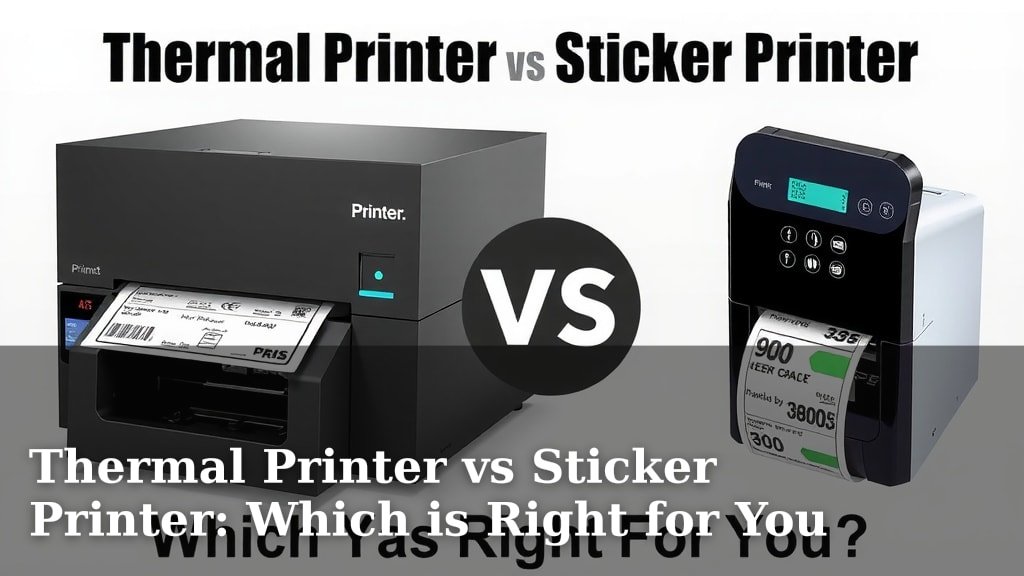
Thermal Printer vs Sticker Printer: Which is Right for You
When deciding between a thermal printer vs sticker printer, the key difference is their functionality: thermal printers create heat-sensitive prints that fade over time, while sticker printers use ink or toner for more durable, colorful labels. For most everyday needs, like shipping labels or receipts, a thermal printer is faster and requires no ink. If you need vibrant, long-lasting, or custom-designed stickers, a sticker printer is your better bet.
We found that understanding your primary use case is essential. Thermal printers excel at producing black-and-white prints quickly, making them ideal for businesses needing high volume output. Sticker printers, on the other hand, offer a broader creative scope with color printing and the ability to adhere to various surfaces, perfect for branding or crafting. Consider the longevity and color requirements of your printed materials.
- Thermal printers: Fast, inkless, good for receipts/shipping labels, prints fade.
- Sticker printers: Use ink/toner, great for colorful/durable labels, more creative.
- Choose thermal for basic, high-volume needs.
- Choose sticker for vibrant, custom, and lasting designs.
Let’s break down the pros and cons of each so you can make the perfect choice for your needs.
Understanding Thermal vs. Sticker Printers for Your Needs
Choosing the right printer can feel like a puzzle. You need a device that fits your workflow and budget. This guide will help you see the main differences between thermal and sticker printers. We want you to feel confident in your decision. Let’s explore what each type does best.
What Exactly is a Thermal Printer?
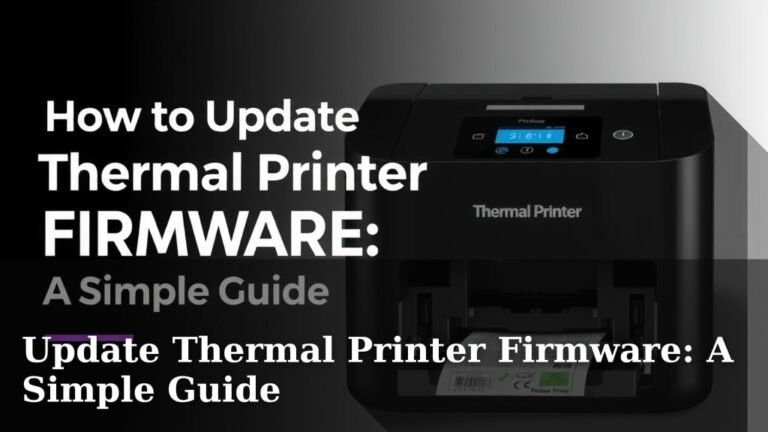
A thermal printer is a special type of printer that uses heat to create an image. Think of it like a hot iron on a special kind of paper. It works by passing heat over heat-sensitive paper. This heat makes certain parts of the paper turn black.
The most common type is called direct thermal printing. This is what many of you might see for shipping labels or receipts. There’s no ink involved at all. That means fewer moving parts and less mess. It’s a simple, efficient process for black-and-white output.
How Direct Thermal Printing Works
Imagine a print head filled with tiny heating elements. When you print something, these elements heat up. They activate specific spots on the thermal paper. This chemical reaction turns those spots black. The result is your text or barcode. It’s a bit like magic, but it’s science!
The Pros of Using a Thermal Printer
- Speed: Thermal printers are incredibly fast. They can print pages of labels in seconds. This is great for busy environments.
- Simplicity: No ink cartridges or toner means less hassle. You don’t need to worry about running out of ink or messy refills.
- Cost-Effective (for high volume): While the initial printer cost can vary, the lack of consumables like ink makes them cheaper per print over time for large jobs.
- Quiet Operation: They tend to be much quieter than traditional inkjet or laser printers.
The Cons of Using a Thermal Printer
- Print Longevity: This is a big one. The prints are not permanent. Heat, light, and friction can cause the text to fade. Think of receipts left in a car – they disappear!
- Color Limitations: Most direct thermal printers only print in black and white. You can’t get vibrant colors.
- Special Paper Required: You must use special thermal paper. This paper can be more expensive than plain paper. It also has that fading issue.
- Environmental Concerns: Some thermal papers contain BPA, which has raised health concerns. Many guidelines suggest limiting exposure (CDC). Look for BPA-free options if this is a concern for you.
When is a Thermal Printer Your Best Bet?
Thermal printers shine when you need quick, basic labels. Think about these scenarios:
- Shipping labels for online sales.
- Receipts for customers.
- Name tags for events.
- Shelf labels in a warehouse or store.
- Appointment reminder slips.
If your main goal is high-volume printing of simple, black-and-white information that doesn’t need to last for years, a thermal printer is likely your winner.
What is a Sticker Printer?
A sticker printer is designed to print on special sticker paper or labels. These printers use either ink (like inkjet printers) or toner (like laser printers) to create images. The key difference is the output: you get ready-to-stick labels. They offer more versatility than basic thermal printers.
You’ll find two main types: inkjet sticker printers and label makers that might use thermal transfer (a different thermal process than direct thermal) or cartridge-based labels. For this comparison, we’re focusing on printers that produce full-sheet or custom-sized stickers, often in color.
How Inkjet and Toner Sticker Printers Work
Inkjet sticker printers spray tiny droplets of ink onto the sticker paper. This allows for a wide range of colors and detailed images. They are very similar to standard inkjet printers, just designed for sticker media.
Toner-based sticker printers use a laser to fuse toner powder onto the sticker paper. This method often produces very sharp, durable prints, especially for text and graphics. Some dedicated label printers use a simpler thermal transfer method with ribbons.
The Pros of Using a Sticker Printer
- Color Printing: The biggest advantage is the ability to print in vibrant color. This is essential for branding, decorative labels, and creative projects.
- Durability: Prints from most sticker printers are much more durable than direct thermal prints. They resist fading from light and handling better.
- Versatility: You can print on a wide variety of sticker materials. Think glossy, matte, waterproof, clear, and even fabric labels.
- Creative Freedom: You can design custom graphics, logos, and intricate patterns. This is perfect for personalization.
The Cons of Using a Sticker Printer
- Slower Speeds: Color printing, especially with inkjet, is generally slower than direct thermal printing.
- Consumables: You’ll need to buy ink cartridges or toner, which can add up. Ink can also dry out if not used regularly.
- Higher Initial Cost: Sticker printers, especially those that offer good color and print quality, can be more expensive upfront.
- Maintenance: Inkjet heads can clog. Toner printers require more complex parts.
When is a Sticker Printer Your Best Bet?
Sticker printers are ideal when your printed materials need to look good and last. Consider them for:
- Product labeling and branding.
- Custom stickers for marketing or packaging.
- Decorative labels for planners, jars, or crafts.
- Waterproof labels for bathrooms or kitchens.
- Photos or graphics that need to be applied like stickers.
If color, design, and longevity are important for your stickers, a dedicated sticker printer is the way to go.
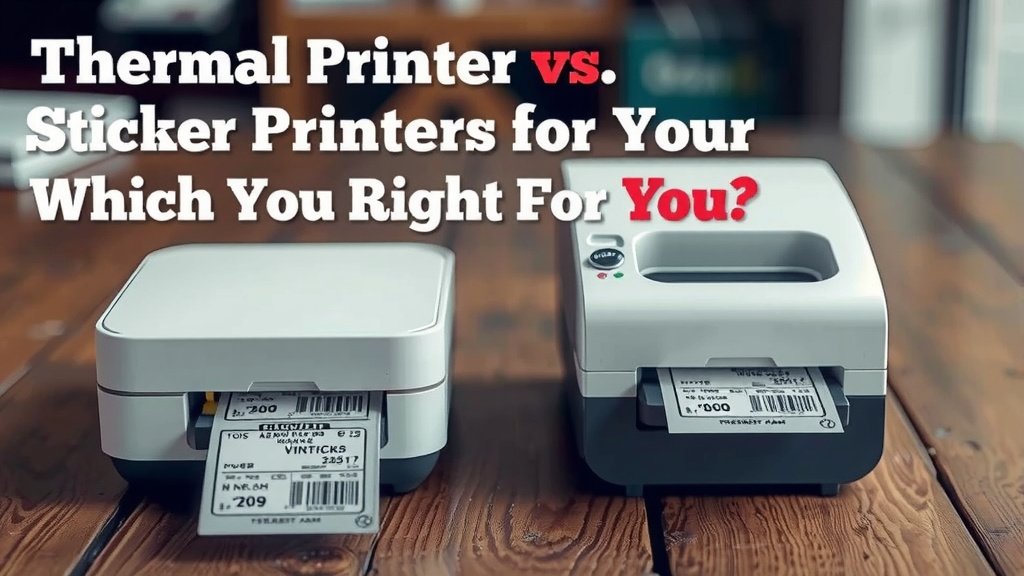
Comparing Key Features Side-by-Side
Let’s put the main features head-to-head. This will help you visualize the differences clearly.
| Feature | Thermal Printer (Direct Thermal) | Sticker Printer (Inkjet/Toner) |
|---|---|---|
| Printing Technology | Heat on special paper | Inkjet spray or Toner fusion |
| Color Capability | Black and white only | Full color |
| Print Longevity | Poor (fades with heat, light, friction) | Good to Excellent (depends on media and ink) |
| Speed | Very Fast | Moderate to Fast |
| Consumables | Special thermal paper only | Ink cartridges/toner, various sticker media |
| Initial Cost | Low to Moderate | Moderate to High |
| Best Use Cases | Shipping labels, receipts, basic barcodes | Branding, custom labels, crafts, durable product labels |
Making Your Final Decision: A Quick Checklist
Still on the fence? Ask yourself these questions. Your answers will point you in the right direction.
- Do you need to print in color?
- How long do your prints need to last without fading?
- What is your typical print volume per day or week?
- What is your budget for the printer and ongoing supplies?
- What kind of material do you need to print on (plain paper, glossy, waterproof)?
By considering these points, you can confidently choose the printer that will serve you best.
Conclusion
Choosing between a thermal printer and a sticker printer really comes down to your specific needs. If you’re printing lots of shipping labels or receipts and need speed over color, a thermal printer is a fantastic, ink-free option. For vibrant, durable, and custom-designed labels that make your products or crafts pop, a sticker printer offers the creative freedom you’re looking for. Consider the longevity and visual impact you require for your prints. Think about how long your labels need to last and if color is essential. Once you’ve weighed these points, you’ll know which printer is your perfect match!
Frequently Asked Questions
Can a thermal printer print in color?
No, standard direct thermal printers can only print in black and white. They use heat to activate a chemical reaction on special paper, which only produces dark marks. If you need color prints, you’ll need a different type of printer.
How long do thermal prints typically last?
Thermal prints are not very durable and tend to fade over time. Exposure to heat, sunlight, and even friction can cause the printed text to disappear within months. They are best for items that won’t be stored long-term or handled frequently.
Are sticker printers more expensive to operate than thermal printers?
Generally, yes. Sticker printers require ongoing purchases of ink cartridges or toner, which can be costly. Thermal printers only need special thermal paper, but you might use more of it due to the fading nature of the prints.
Can I use regular paper in a sticker printer?
Most sticker printers are designed to work with specific sticker paper or label sheets. While some may print on plain paper, the output won’t be sticky. You need to use specialized media for the printer to create actual stickers.
Which type of printer is better for small businesses?
For small businesses focused on shipping or basic product identification, a thermal printer often wins for speed and low per-print cost. If branding, product appeal, and colorful packaging are key, then investing in a sticker printer would be more beneficial.