Thermal Transfer Ribbon Explained: What You Need to Know
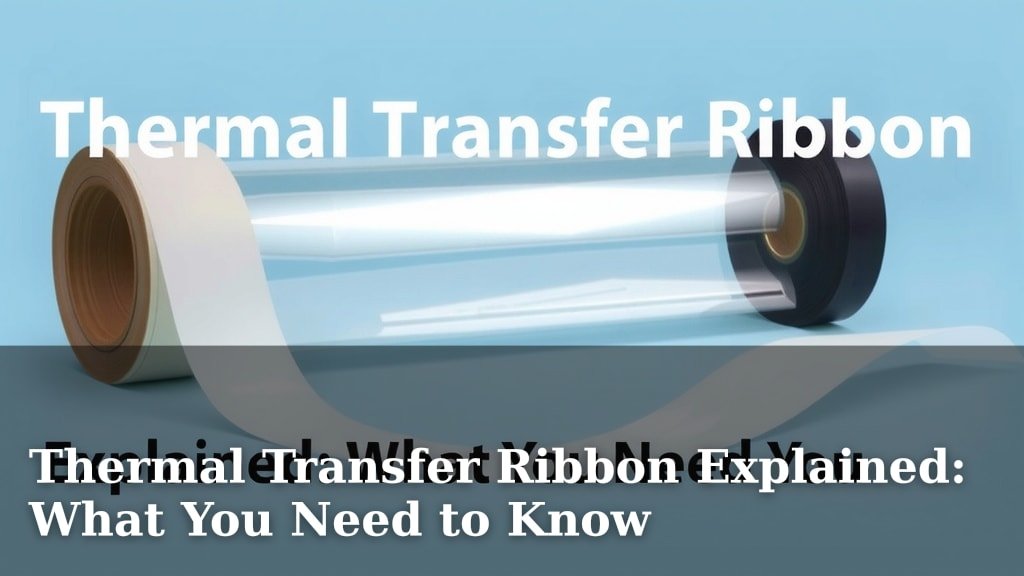
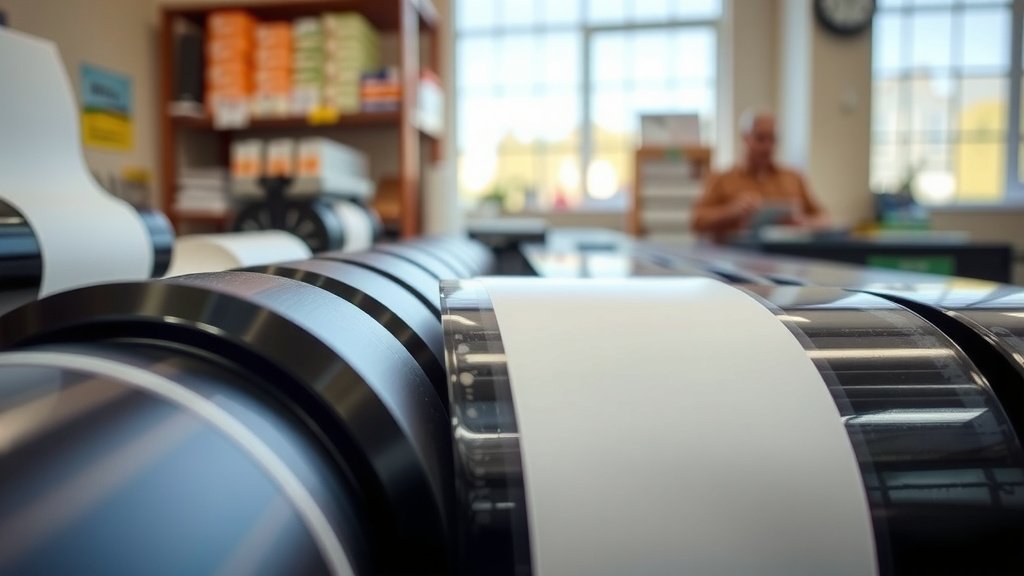
Thermal transfer ribbon is a special film that holds ink. It’s used in printers to create **durable and clear labels**. Think of it as the ink source for high-quality, long-lasting prints on items like product packaging or shipping labels. It ensures your text and graphics won’t smudge or fade easily.
When you need prints that can withstand **harsh conditions or frequent handling**, thermal transfer printing is often your best bet. It uses heat to melt the ink from the ribbon onto the label material. This creates a **permanent bond** that plain direct thermal labels just can’t match. It’s the secret behind those barcodes that stay readable on boxes.
- Thermal transfer ribbon holds the ink for printers.
- It creates durable, smudge-proof, and clear prints.
- Heat melts the ink from the ribbon onto the label.
- Ideal for long-lasting labels on products and packages.
- It’s different from direct thermal printing.
Ready to get a better grip on how thermal transfer ribbons work and why they matter for your printing needs? Let’s break it all down.
Understanding How Thermal Transfer Ribbons Work
Thermal transfer ribbons are the unsung heroes of many printing applications. They are the key to creating **long-lasting, high-quality labels**. Let’s dive into what makes them tick.
The Anatomy of a Thermal Transfer Ribbon
Imagine a sandwich. A thermal transfer ribbon is a bit like that. It has several layers, each playing an important role.
The Film Base
The foundation is a thin plastic film. This film is typically made from polyester. It needs to be strong enough to withstand the printing process. It also ensures the ink transfers smoothly.
The Ink Layer
This is where the magic happens! The ink is coated onto one side of the film. This coating can be wax, resin, or a combination of both. The type of ink is crucial for the final print’s durability. We’ll get into the different ink types later.
The Backing Layer
The other side of the film has a special coating. This backing layer allows the ribbon to glide smoothly over the printhead. It prevents friction. This ensures the printhead doesn’t get damaged and the ink transfers cleanly.
The Release Coating
A thin layer sits between the film and the ink. This is the release coating. It helps the ink lift off the ribbon and onto your label material. It’s vital for a clean transfer. Without it, ink might stick to the ribbon.
The Thermal Transfer Printing Process Explained
So, how does all this come together in a printer? It’s a heat-activated process. Your printer’s printhead has tiny heating elements. These elements are like miniature hot spots. When they’re activated, they get very hot, very quickly.
Heating and Melting
As the ribbon and label material pass under the printhead, specific heating elements turn on. These hot spots precisely melt the ink from the ribbon. The heat melts the ink, turning it into a liquid state.
Transfer to the Label
At the same time, the label material is right beneath the ribbon. The melted ink is pressed onto the label. It adheres to the label’s surface. This creates a sharp, clear image. The ink then cools and solidifies on the label.
The Unused Ribbon
After the ink has transferred, the now-bare ribbon continues to move. It’s then wound onto a core. You’re left with your printed label and a used ribbon. The process is very precise. It ensures only the intended parts of the label receive ink.
Key Components of Thermal Transfer Ribbons
The type of ribbon you choose greatly impacts your print’s performance. There are three main categories, each with different strengths.
Wax Ribbons
Wax ribbons are the most common and generally the most affordable. They use inks primarily made of wax. This makes them great for general-purpose labeling.
Pros of Wax
Wax ribbons provide excellent print quality on uncoated paper labels. They are known for their sharp text and good image density. They also print at higher speeds than other ribbon types. This can boost your overall printing efficiency. Many experts suggest wax for indoor applications. It’s a cost-effective choice for many businesses.
Cons of Wax
The main drawback is their durability. Wax is softer and more susceptible to scratching and smudging. They are not recommended for labels exposed to moisture or harsh chemicals. Think of them as good for items not handled frequently. They won’t stand up well to abrasion.
Wax-Resin Ribbons
These ribbons are a hybrid, blending wax with resin. This combination offers a significant upgrade in durability over pure wax. They are a popular choice for many industrial uses.
Pros of Wax-Resin
Wax-resin ribbons offer improved scratch and smudge resistance. They adhere well to both coated and uncoated paper labels. They also perform decently on synthetic materials. You’ll see enhanced durability compared to wax. Many sources cite them as a good balance. They offer better performance without the highest cost.
Cons of Wax-Resin
While more durable than wax, they can still be affected by extreme heat or solvents. They also print at slightly slower speeds than pure wax ribbons. The cost is also a bit higher than basic wax options. You might need to adjust printer settings slightly for optimal results.
Resin Ribbons
Resin ribbons are the toughest of the bunch. They are made almost entirely of resin. This ink formulation is designed for maximum durability and resistance to extreme conditions.
Pros of Resin
Resin ribbons offer unparalleled resistance to chemicals, abrasion, and extreme temperatures. They are ideal for harsh environments and demanding applications. They work exceptionally well on synthetic label materials like polyester or polypropylene. The prints can last for years, even when exposed to elements. Many industries rely on resin for mission-critical labeling.
Cons of Resin
Resin ribbons are the most expensive option. They also require the highest printhead temperatures. This means they print at slower speeds. Their best performance comes from printing on synthetic label stocks. Using them on paper labels may not yield the best results. You’ll need to ensure your printer can handle the higher temperatures.
Choosing the Right Ribbon for Your Needs
Selecting the correct thermal transfer ribbon involves considering several factors. It’s not a one-size-fits-all situation. We’ve found that thinking through these points makes a big difference.
Label Material Matters
The type of label material you use is critical. Different ribbons bond best with different surfaces. Wax works well on uncoated paper. Wax-resin is good for coated paper and some synthetics. Resin is best for tough synthetic materials.
Durability Requirements
What kind of environment will your labels be in? Will they be handled frequently? Are they exposed to moisture, chemicals, or UV light? If durability is key, you’ll likely need wax-resin or pure resin ribbons.
Print Quality and Speed
Do you need extremely sharp text and graphics? Are you printing large volumes quickly? Wax ribbons offer faster speeds and good print quality on paper. Resin ribbons sacrifice speed for maximum durability. Wax-resin offers a middle ground.
Budget Considerations
Cost is always a factor. Wax ribbons are the most budget-friendly. Resin ribbons are the most expensive. Wax-resin falls in between. Consider the total cost of ownership, including how long your labels need to last.
Printer Compatibility
Not all printers are created equal. Ensure your thermal transfer printer is compatible with the ribbon type and size you choose. Some printers may require specific settings for different ribbon formulations. Always check your printer’s manual.
A Quick Ribbon Selection Checklist
To help you decide, consider these points:
- What is your label material (paper, synthetic)?
- Where will the label be used (indoors, outdoors, harsh environment)?
- How long does the print need to last?
- What level of scratch and smudge resistance is needed?
- What is your budget for ribbons?
- Does your printer support the chosen ribbon type?
Conclusion
You now understand that thermal transfer ribbons are essential for creating durable, high-quality labels. We’ve covered how their layered structure and the heat-activated printing process work. Choosing the right ribbon type—wax, wax-resin, or resin—depends on your specific needs for durability, label material, and budget. By considering these factors, you can ensure your prints stand up to their intended environment. Your next step is to identify your printing requirements and select the ribbon that best meets them for lasting results.
Frequently Asked Questions
How do I know if I need a thermal transfer ribbon or a direct thermal label?
Direct thermal labels use heat-sensitive paper that turns black when heated, making them suitable for short-term use like receipts. Thermal transfer ribbons are used with a ribbon to print on various materials, creating more durable, long-lasting labels resistant to fading and smudging.
Can I use any thermal transfer ribbon with any printer?
No, printer compatibility is key. Ribbons come in different widths and core sizes. You must ensure the ribbon dimensions match your printer’s specifications. Additionally, your printer’s printhead must be designed for thermal transfer printing and capable of the required temperatures for different ribbon types.
How can I tell if my ribbon is running out?
You’ll typically notice faint print quality or areas where the ink isn’t transferring fully. Many thermal printers will also display a low ribbon warning on their screen or through error codes. It’s good practice to keep a spare ribbon on hand to avoid printing interruptions.
What is the difference between the ink side and the backing side of a thermal transfer ribbon?
The ink side of the ribbon has the wax, resin, or wax-resin coating that transfers to your label. The backing side has a special coating that allows the ribbon to slide smoothly over the printer’s hot printhead, preventing friction and ensuring a clean transfer of ink.
How long should thermal transfer printed labels last?
The lifespan of a thermal transfer label depends heavily on the ribbon type and the label material used, as well as the environmental conditions. Resin ribbons on synthetic labels in stable indoor environments can last for many years, while wax ribbons on paper labels in harsh conditions might only last a few months.