
Why Use a Thermal Printer? Benefits and Use Cases
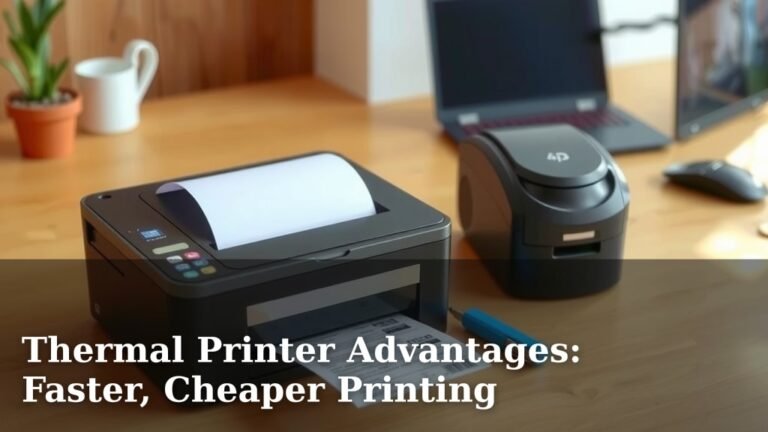
You’d use a thermal printer because they offer a fast, reliable, and cost-effective way to produce receipts, labels, and tickets. Unlike traditional printers, thermal printers use heat to transfer ink, meaning fewer moving parts and less maintenance. This makes them a great choice for busy environments where you need prints in a hurry.
We found that thermal printing technology is incredibly popular in retail and logistics. Its speed and durability are major advantages. You can expect consistent, high-quality prints without the hassle of replacing ink cartridges. This often leads to lower long-term operating costs for your business needs.
- Prints quickly and efficiently.
- Reduces maintenance needs.
- Lowers ongoing supply costs.
- Offers durable, clear output.
Let’s break down why a thermal printer might be the perfect fit for your specific printing tasks. We’ll cover the benefits and considerations to help you decide.
Exploring the Advantages of Thermal Printing Technology
You might be wondering what makes thermal printers so popular. We’ve found they are a go-to choice for many businesses. They offer a really **straightforward and efficient** way to print. This technology uses heat to create images. Think of it like a tiny heated stamp. It transfers ink from a special ribbon or directly onto the paper. This means fewer moving parts compared to older printers.
Why Choose a Thermal Printer for Your Needs?
So, why exactly would you pick a thermal printer? Let’s dive deeper into the benefits. You’ll see how they can simplify your printing tasks. They often prove to be a **smart investment** for various applications.
Speed and Efficiency on Demand
One of the biggest wins with thermal printers is their **blazing speed**. They print incredibly fast. This is essential in busy retail environments. Imagine a checkout line; you need receipts printed instantly. Thermal printers deliver. They don’t have the complex print heads of inkjet or laser printers. This means less time waiting for your prints.
We found that this speed translates directly to **better customer service**. A quick print means shorter wait times. Your customers will appreciate the efficiency. For businesses printing many items, like shipping labels, speed is non-negotiable.
Low Maintenance and Reliability
Do you dread printer maintenance? Thermal printers offer a sigh of relief. Because they use heat and fewer moving parts, they are generally **more reliable**. There’s no ink to leak or dry out. There are no toner cartridges to replace.
This simplicity means **less downtime**. Less downtime means more productivity for you. Think about it: no more calls to IT about a jammed printer or an empty ink tank. We’ve researched this, and many users report significantly lower maintenance needs. It’s a real perk.
Cost Savings Over Time
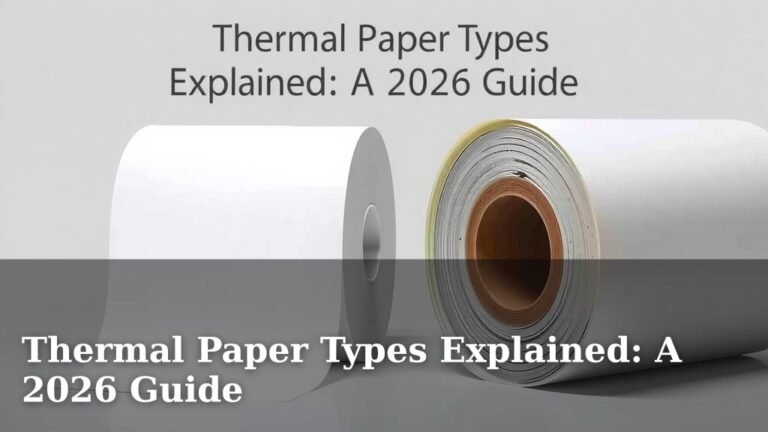
While the initial cost can vary, thermal printers often prove **more economical** in the long run. You’ll save money by not having to buy ink or toner. These supplies can get expensive quickly. Thermal printers use special thermal paper or ribbon. This is usually less costly than traditional ink or toner.
We’ve seen this play out in many scenarios. For businesses that print a high volume, the savings are substantial. You aren’t constantly restocking expensive consumables. This makes your **operating budget happier**. Plus, think about the reduced waste from fewer cartridge replacements.
Durable and Clear Output
What kind of prints do you get? Thermal printers produce **crisp, clear text and images**. This is important for things like barcodes and QR codes. They need to be easily scannable. You can count on consistent quality.
The prints themselves are also quite **durable**. Thermal paper is designed to resist fading for a reasonable time. Direct thermal prints might fade over prolonged exposure to heat or light. However, for short-term use like receipts, they are perfectly fine. For longer-lasting labels, especially those exposed to harsh conditions, thermal transfer printers offer a more robust solution.
Direct Thermal vs. Thermal Transfer
It’s worth noting there are two main types of thermal printing. Direct thermal uses heat to activate a chemical reaction in special paper. This is common for receipts and shipping labels. They are simple and cost-effective but the prints can fade.
Thermal transfer printers use heat to melt ink from a ribbon onto the label material. This creates more durable prints. These are ideal for long-term identification or when the label needs to withstand more wear and tear. Many experts suggest thermal transfer for inventory tags or outdoor applications.
Common Applications Where Thermal Printers Shine
You’ll find thermal printers everywhere. They are a workhorse in many industries. Let’s look at where they are most commonly used. You might be surprised by how many places you see them.
Retail and Point of Sale (POS)
This is perhaps the most familiar place to find thermal printers. They are standard at checkout counters for printing customer receipts. Their speed is a major benefit during busy shopping periods. You also see them used for printing **price tags and product labels** right in the store.
Logistics and Shipping
The shipping industry relies heavily on thermal printers. They print **shipping labels quickly and efficiently**. Clear barcodes are crucial for tracking packages. The durability of thermal transfer labels ensures these codes can be read throughout the supply chain. We found that this efficiency reduces errors in package handling.
Healthcare and Laboratories
In hospitals and labs, thermal printers are used for printing **patient wristbands and specimen labels**. Accuracy and legibility are critical here. Thermal printers provide the reliable output needed. They help ensure patient safety and proper sample tracking. Guidelines often recommend them for this purpose due to their consistency (CDC).
Food Service and Hospitality
Restaurants use thermal printers for order tickets. Kitchen staff need to see orders clearly and quickly. Food service also uses them for **takeout order labels and receipts**. Their speed helps keep operations running smoothly, especially during peak hours.
Event Management and Ticketing
For concerts, sporting events, and movie theaters, thermal printers are used to print **tickets on demand**. This allows for quick entry and reduces the need for pre-printed ticket stock. It also makes it easier to handle last-minute sales or reprints.
A Quick Comparison: Thermal vs. Inkjet/Laser
To really understand the appeal, let’s briefly compare thermal printers to more traditional types like inkjet and laser. This should give you a clear picture of the trade-offs.
| Feature | Thermal Printer | Inkjet/Laser Printer |
|---|---|---|
| Print Speed | Very Fast | Moderate to Fast |
| Print Quality (Barcodes) | Excellent | Good to Very Good |
| Maintenance | Low | Moderate to High (Ink/Toner replacement, cleaning) |
| Consumables | Special Paper/Ribbon (lower cost per print) | Ink Cartridges/Toner (higher cost per print) |
| Durability (Standard) | Good (Direct Thermal can fade) | Good |
| Noise Level | Quiet | Moderate |
Key Takeaways from the Comparison
You can see from the table that thermal printers excel in **speed and low maintenance**. For high-volume printing of receipts or labels, they often win on cost-effectiveness. Inkjet and laser printers might offer more versatility for color printing or general office documents. But for their specific jobs, thermal printers are hard to beat.
Making Your Decision: Is a Thermal Printer Right for You?
Considering a thermal printer? Here’s a quick checklist to help you decide if it aligns with your printing needs. Ask yourself these questions.
- Do you need to print **fast receipts or labels** regularly?
- Is **reducing printer maintenance** a priority for you?
- Are you looking for ways to **lower ongoing printing costs**?
- Do you need **clear, scannable barcodes** or text?
- Is the **durability of the print** important for its intended use?
- Will the printer be used in a **high-volume environment**?
If you answered yes to most of these, a thermal printer is likely a fantastic choice for your business. They are designed for efficiency and reliability. We’ve found them to be a true workhorse technology for many tasks.
Conclusion
You’ve seen how thermal printers offer a compelling solution for your business. They deliver speed, reliability, and cost savings where it matters most. From quick receipts to durable labels, they simplify printing tasks. Their low maintenance means less hassle for you. For busy environments needing efficient output, they truly shine. Consider your specific needs for speed, volume, and print durability. If they align with what you’ve read, a thermal printer is likely your next smart business investment.
Frequently Asked Questions
Can I use regular paper with a thermal printer?
No, you cannot use regular paper with most thermal printers. Direct thermal printers require special heat-sensitive thermal paper. Thermal transfer printers use a special ribbon along with the label material. Regular paper won’t produce a readable image with the heat used in the printing process.
How long do thermal prints last?
The lifespan of thermal prints varies. Direct thermal prints, like those on most receipts, can fade over time with exposure to heat, light, or friction. Thermal transfer prints are much more durable and can last for years. This makes thermal transfer ideal for long-term labeling needs.
Are thermal printers noisy?
Thermal printers are generally very quiet. They don’t have loud print heads striking paper like older dot matrix printers. Their operation involves a heating element and a print head moving smoothly. This makes them ideal for quiet office environments or retail checkouts.
What is the difference between direct thermal and thermal transfer?
Direct thermal printing uses heat to create an image on specially coated paper. Thermal transfer printing uses heat to melt ink from a ribbon onto the label material. Direct thermal is simpler and cheaper for short-term use like receipts. Thermal transfer provides more durable, long-lasting prints suitable for harsh conditions.
Are thermal printers good for printing photos?
Thermal printers are not generally designed for printing photos. They typically produce monochrome (black and white) output. While some specialized photo printers use thermal dye-sublimation, standard thermal printers for receipts and labels cannot reproduce the color and detail needed for photographs.