Is Thermal Paper Recyclable? Your Guide to Proper Disposal
No, thermal paper is generally not recyclable through standard curbside programs. This is because thermal paper is coated with chemicals that react to heat, making it unsuitable for the pulping process used in recycling. You’ll usually need to dispose of it in your regular trash.
When you receive a receipt from a store, it’s often printed on this special kind of paper. It feels a bit different than regular paper, and that’s due to the special coating. Many recycling facilities cannot process these coatings, which can contaminate batches of recycled paper. It’s a common point of confusion for many people trying to be eco-friendly.
- Thermal paper is coated with chemicals.
- These chemicals prevent it from being recycled with regular paper.
- Most recycling centers cannot handle this type of paper.
- It typically belongs in your regular trash bin.
- Look for labels or ask your local recycling service if unsure.
We’ll break down exactly why thermal paper isn’t recyclable and what you can do with it instead. Let’s get your questions answered!
Understanding Why Thermal Paper Isn’t Your Usual Recycle Bin Friend
So, you’ve just gotten a receipt from the grocery store or your last purchase. You’re thinking, “Can I toss this in the blue bin with everything else?” It’s a fair question! Most of us want to do our part for the planet. Sadly, that handy receipt is usually a no-go for standard recycling programs. We’ve all been there, trying to sort our waste correctly. Let’s clear up the confusion about thermal paper.
What Exactly Is Thermal Paper?
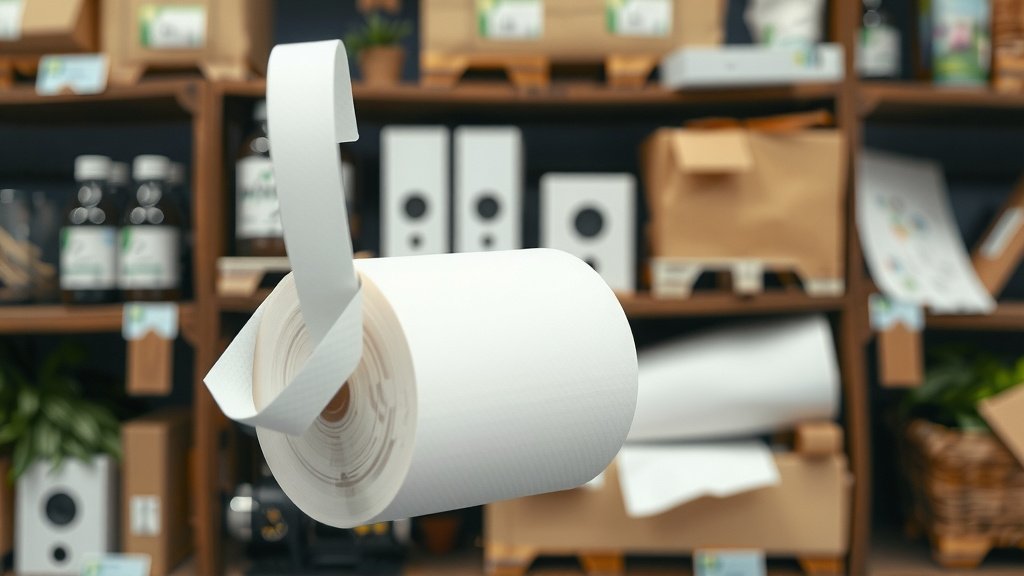
You know that receipt paper that sometimes turns black when you hold a lighter to it? That’s thermal paper! It looks and feels a bit like regular paper, but it’s got a special trick up its sleeve. This paper is coated with a heat-sensitive dye and a developer. When the thermal printer applies heat, these chemicals react, creating the text and images you see. It’s pretty neat technology, allowing for ink-free printing.
The Special Coating: The Main Culprit
The key difference lies in that special coating. Unlike plain paper, which is mostly wood pulp, thermal paper has a layer of chemicals. These chemicals include things like bisphenol A (BPA) or its replacements, and leuco dyes. These are the ingredients that make the magic happen when heat is applied. But here’s the catch: these very ingredients cause big problems down the recycling line.
Why Can’t It Just Be Recycled?
This is where things get a bit technical, but we’ll keep it simple. Recycling paper involves breaking it down into its basic fibers, called pulp. This pulp is then cleaned and reformed into new paper products. Thermal paper’s chemical coating doesn’t play well with this process. When it hits the pulping vats, those chemicals can leach out. They don’t disappear; they just mix in.
Contamination Issues in the Recycling Process
Those chemicals can contaminate the entire batch of recycled paper. Think of it like putting a greasy pizza box in with clean cardboard. The grease can make the whole batch unusable. Similarly, the dyes and developers from thermal paper can color the pulp or weaken the fibers of other paper products. Recycling facilities are equipped to handle paper fibers, not complex chemical coatings. Many simply can’t separate the coating from the paper fibers effectively.
The Impact of Chemical Coatings
The chemicals themselves can also be an issue. While the amounts on a single receipt are small, when multiplied by millions of receipts, they can pose environmental concerns if not managed properly. Some recycling plants have specific machines to remove coatings, but most standard municipal recycling centers do not. They have to err on the side of caution to protect their equipment and the quality of the recycled materials they produce.
Common Places You Find Thermal Paper
Thermal paper is everywhere, which is why it’s so confusing! You probably encounter it more often than you realize. Keeping an eye out can help you identify it quickly. Knowing where it pops up is the first step to knowing what to do with it.
Receipts, Receipts, Everywhere!
The most common place you’ll find thermal paper is, of course, for your purchase receipts. Whether it’s from the grocery store, a clothing shop, a gas station, or a restaurant, that thin, often glossy-feeling paper is usually thermal. They are designed for quick, ink-free printing, making them cost-effective for businesses.
Beyond Receipts: Other Uses
But it’s not just receipts. You might also find thermal paper used for:
- Fax machine printouts (less common now, but still out there!)
- Medical equipment printouts, like EKGs or ultrasound reports.
- Some ATM and lottery tickets.
- Labels for certain products, especially those requiring high-speed printing.
How to Identify Thermal Paper
Spotting thermal paper is easier than you might think. You don’t need a special gadget. Here are a few simple tests you can do:
The Scratch Test
This is the easiest method. Try scratching a small, inconspicuous area of the paper with your fingernail. If a dark mark appears where you scratched, it’s very likely thermal paper. The heat from friction is enough to activate the dye.
The Heat Test (Use Caution!)
You can also try holding it near a gentle heat source, like a light bulb (not too close!). If the paper darkens, it’s thermal. Be very careful doing this; you don’t want to burn yourself or the paper. Many experts advise against this method due to safety concerns and potential damage to the paper if you’re trying to save it for some reason.
The Rub Test
Sometimes, just rubbing the paper firmly with your thumb or finger can generate enough heat to cause a visible mark. Again, if you see a dark smudge appear, you’ve got a thermal paper product on your hands.
Visual and Tactile Clues
While not foolproof, thermal paper often has a slightly waxy or glossy feel. It might also look a bit thicker than standard copy paper. Many receipts are also printed in a single color (usually black) and can fade over time, especially if exposed to light or heat – another sign it’s thermal.
So, Where Does It Go? The Proper Disposal Route
Since most curbside recycling programs can’t handle thermal paper, what’s the best way to get rid of it? It’s not ideal, but for most people, it means the trash can. However, there are a few nuances and better alternatives to consider if you want to be extra mindful.
The Default: Your Household Trash
For the vast majority of thermal paper items, especially receipts, the landfill is currently the most common destination. We understand this isn’t the news you were hoping for when you’re trying to be eco-conscious. It’s a limitation of current recycling infrastructure. Many environmental groups advise against putting it in the recycling bin because it can contaminate other, more easily recyclable materials.
Reducing Your Thermal Paper Footprint
The best approach is often to reduce your consumption of thermal paper in the first place. Think about it: do you really need that paper receipt for every single transaction? Many retailers now offer digital receipts. You can often ask the cashier to email or text you a copy instead. This not only helps the environment by avoiding the thermal paper issue but also keeps your wallet clutter-free!
Specialized Recycling Programs (When Available)
While rare, some specialized recycling facilities or municipal programs *might* accept thermal paper. This often depends on local processing capabilities. If you’re really committed to recycling it, your best bet is to check with your local waste management provider. They can tell you if there are any specific drop-off locations or special collection days for items like thermal paper. Some businesses that generate a lot of thermal paper waste, like banks or large retailers, might have their own recycling initiatives, but these are not widespread.
What About Those “Recyclable” Labels?
You might see a recycling symbol on some thermal paper products, which can be confusing. This is a tricky area. Sometimes, the label might refer to the paper itself before the chemical coating is applied, or it might be a general label that isn’t entirely accurate for your local recycling facility. Always err on the side of caution. If you are unsure, checking with your local recycling service is the most reliable method. They know exactly what materials their facility can process.
A Quick Checklist for Thermal Paper Decisions
To make things easy, here’s a quick rundown:
- Is it a receipt? If yes, it’s probably thermal.
- Does it darken when scratched or heated? If yes, it’s thermal.
- Does it feel slightly waxy or glossy? Likely thermal.
- Can you opt for an email or digital receipt? Choose that option!
- If unsure, check with your local recycling service. They are the ultimate authority.
- When in doubt, throw it out (in the regular trash). Better to contaminate one item than a whole batch of recyclables.
Conclusion
You’ve learned that thermal paper, common for receipts and labels, isn’t typically recyclable through standard bins. Its special chemical coating interferes with the recycling process, often contaminating other materials. While it’s disappointing, disposing of it in your regular trash is usually the most responsible option for now. To truly reduce your environmental impact, consider asking for digital receipts whenever possible. This simple choice helps avoid the thermal paper issue altogether and declutters your life!
Frequently Asked Questions
Can I recycle thermal paper if I remove the coating?
Unfortunately, trying to manually remove the chemical coating from thermal paper is impractical and usually ineffective. The coating is bonded to the paper fibers, making separation very difficult for individuals. Recycling facilities are designed to handle paper or certain plastics, but not manual coating removal from paper.
What are the chemicals in thermal paper, and are they harmful?
Thermal paper typically contains heat-sensitive dyes and developers, which can include substances like BPA or its replacements. While the amounts on a single receipt are very small, concerns exist about their accumulation in landfills and potential effects if they leach into the environment. Most recycling processes are not equipped to neutralize these chemicals.
Will my local recycling center take thermal paper if I ask?
It’s unlikely that standard curbside recycling programs accept thermal paper. However, your best bet is always to contact your local waste management authority directly. They can confirm their specific guidelines and inform you if any specialized drop-off locations exist in your area.
What’s the difference between thermal paper and regular paper for recycling?
Regular paper is made primarily from wood pulp and can be broken down and reformed into new paper products through pulping. Thermal paper has an added chemical coating that reacts to heat. This coating prevents it from being effectively processed in standard paper recycling facilities, as the chemicals can contaminate the pulp.
Are there any safe ways to dispose of thermal paper other than the trash?
For most people, household trash is the only widely available disposal option for thermal paper. While some specialized industrial recycling exists, it’s not accessible to the public. Focusing on reducing your use of thermal paper by opting for digital receipts is the most effective way to minimize its disposal impact.