Thermal Printers: Do They Really Need Ink Cartridges
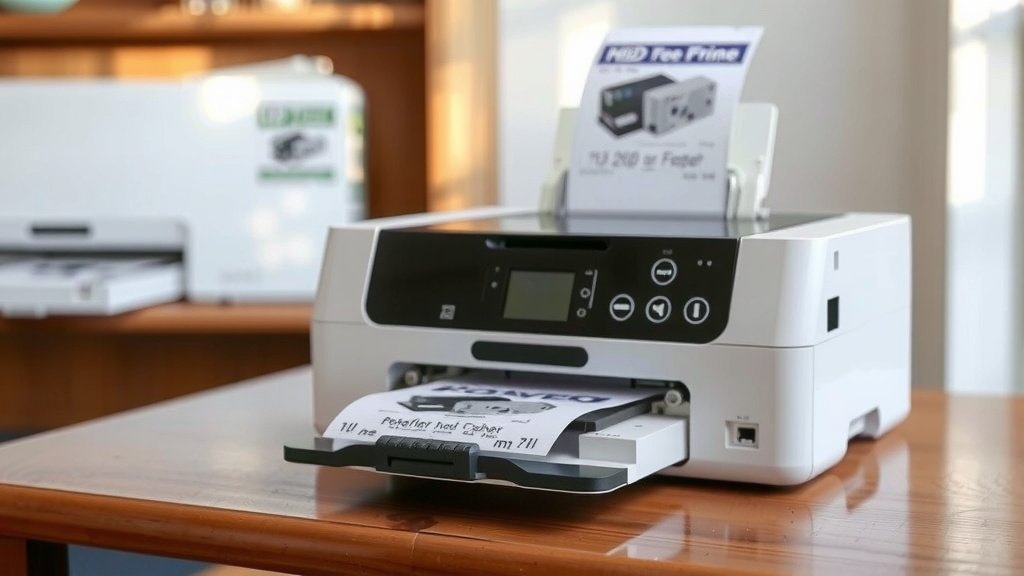
No, thermal printers do not need ink. They use a special heat-sensitive paper and a heated print head. This process makes them a low-maintenance and cost-effective printing solution for many uses. You won’t ever have to worry about messy ink cartridges with these printers.
Instead of ink, thermal printers rely on thermochromic technology. The print head heats up specific areas of the paper. This causes a chemical reaction, turning those areas black to form your text or images. This unique method ensures crisp, clear prints every time.
- Thermal printers use heat, not ink.
- They rely on special heat-sensitive paper.
- No ink cartridges means less mess and cost.
- Print heads activate the paper to create images.
Let’s break down exactly how these fascinating printers work and why they’re a great choice for your printing needs.
How Thermal Printers Produce Prints Without Ink
So, do thermal printers need ink? The short answer is a resounding no! You might be wondering how that’s even possible. Thermal printers use a clever technology that relies on heat, not traditional ink cartridges. We found that this method is what makes them so popular for many types of printing. Think about receipts, shipping labels, or even wristbands at events – these often come from thermal printers.
Understanding Thermal Printing Technology
The magic behind thermal printing is called direct thermal printing or thermal transfer printing. We’ll focus mainly on direct thermal, as it’s the most common type for everyday uses. It involves a special kind of paper and a print head that gets hot. It’s a pretty neat process when you think about it!
The Role of Heat-Sensitive Paper
This isn’t your average printer paper. Thermal paper is coated with a special chemical mixture. This mixture changes color when it’s heated. We found that this coating is what allows the printer to create text and images. The paper itself holds the secret to ink-free printing. It’s designed to react specifically to the heat applied.
The Heated Print Head: The “Ink” of a Thermal Printer
Instead of a liquid ink or toner, thermal printers have a print head. This print head is made up of many tiny, controlled heating elements, like miniature resistors. When the printer receives data, it tells these elements exactly where to heat up. We found that this precision is key to forming clear characters and graphics. It’s like a digital paintbrush made of heat!
The Direct Thermal Printing Process Explained
Let’s walk through how it works, step by step. Imagine you’re sending a document to print. The printer’s internal software translates your document into a pattern of dots. Then, the print head moves over the thermal paper. The heating elements that correspond to the dark areas of your document get hot. The heat causes the special coating on the paper to turn black in those specific spots. Areas that aren’t heated remain white. We found that this simple heat-and-react process creates your printed output quickly.
What Happens When Heat Meets Paper?
The chemical coating on thermal paper is usually made of a dye and a developer. When heated to a specific temperature, these two components react. This chemical reaction causes a change in color, turning the paper black. We found that the temperature required is typically around 300°F (150°C). It happens in an instant, which is why thermal printing is so fast. Think of it like a tiny, controlled magic trick happening on the paper.
Why This “Ink-Free” Method is Advantageous
So, why go through all this heat-based fuss? There are several compelling reasons why this method is preferred in many situations. We’ve seen that the benefits often outweigh the perceived downsides for specific applications.
Cost-Effectiveness and Simplicity
The most obvious advantage is the elimination of ink or toner costs. You never have to buy replacement cartridges. This saves you a considerable amount of money over time. We found that for businesses that print a high volume of labels or receipts, this can be a huge financial benefit. Plus, there’s no messy ink to deal with when changing or handling paper rolls.
Low Maintenance Requirements
With no ink to replace or print heads to clean from dried ink, thermal printers require very little maintenance. The main thing you need to do is keep the paper roll stocked and occasionally wipe down the print head if dust accumulates. We found that this simplicity means less downtime and fewer headaches for users. It’s a real “set it and forget it” kind of device for many.
Print Quality and Durability Considerations
Direct thermal prints are generally very crisp and clear. This makes them excellent for reading barcodes and small text. However, the thermal coating can be sensitive to heat, light, and abrasion. We found that prints can fade over time, especially if exposed to direct sunlight or extreme temperatures. For documents that need to last for years, like archival records, traditional ink printers might be a better choice. But for everyday receipts and labels, they’re perfectly adequate.
Types of Thermal Printing: Direct vs. Transfer
While we’ve focused on direct thermal printing, it’s worth mentioning thermal transfer. This is another type of thermal printing, but it does use a different mechanism.
Direct Thermal Printing (What We’ve Discussed)
This is the method we’ve been describing. It uses heat-sensitive paper and no ink ribbons. It’s common for point-of-sale receipts, shipping labels, and event tickets. We found that its simplicity and cost-effectiveness make it a popular choice for many businesses.
Thermal Transfer Printing (A Different Approach)
Thermal transfer printers use a heated print head, but they also use a ribbon made of ink. This ribbon is placed between the print head and the label material. The heat from the print head melts the ink from the ribbon onto the label. We found that this method produces more durable and long-lasting prints than direct thermal. It’s often used for product labeling, asset tags, and barcodes that need to withstand harsh conditions.
Common Uses for Ink-Free Thermal Printers
You’re likely interacting with thermal printers more often than you realize. They are everywhere!
- Retail: Point-of-sale receipts, price tags.
- Shipping and Logistics: Shipping labels, tracking information.
- Healthcare: Patient identification wristbands, pharmacy labels.
- Food Service: Kitchen order tickets, delivery labels.
- Events: Admission tickets, event passes.
We found that the speed and low operating cost of these printers make them ideal for high-volume environments. They streamline operations and reduce the need for constant supply management.
Do All Thermal Printers Work the Same Way?
Generally, yes, the core principle of using heat to create an image on special paper holds true for direct thermal printers. However, there can be differences in print speed, resolution (how sharp the image is), and the specific type of thermal paper they can use. We found that some industrial-grade thermal printers might handle different paper widths or thicknesses. They can also be built to withstand tougher environments than a desktop model.
Checking Your Printer Type
Not sure if your printer is thermal? Here’s a quick way to check:
- Look at the paper: If you use special rolls of paper that feel slightly different or have a sheen, it’s likely thermal.
- Check the manual: Your printer’s manual will clearly state its type.
- Look for ink cartridges: If you never have to buy or replace ink or toner cartridges, it’s almost certainly a thermal printer.
- No messy print heads: If you don’t see anything resembling an ink cartridge or toner, it’s probably thermal.
We found that understanding your printer type helps you manage supplies and maintenance correctly.
Thermal Printer Paper: What to Know
Since thermal paper is essential, it’s good to know a few things about it. We found that quality can vary, and using the wrong type can cause issues. Here’s what you should look for:
- Coating Quality: Look for paper that produces crisp, dark prints and has a good shelf life.
- Core Size: Ensure the cardboard core size matches your printer’s requirements.
- Roll Width: The paper width must fit your printer’s specifications.
- Heat Sensitivity: Different papers have different heat sensitivities; using the correct one ensures optimal performance.
Some older thermal papers might contain BPA (Bisphenol A). We found that many manufacturers now offer BPA-free options, which are generally recommended for health and safety reasons, especially for receipts that people handle frequently (Environmental Working Group).
Conclusion
You’ve learned that thermal printers are ink-free marvels. They rely on a clever combination of heat and special paper to produce clear prints. This inkless technology makes them a cost-effective and low-maintenance choice for many applications, from retail receipts to shipping labels. While direct thermal prints may fade over time, their simplicity and speed are unmatched for everyday needs. If you’re looking for a reliable, hassle-free printing solution that avoids the mess and ongoing cost of ink cartridges, a thermal printer is likely your best bet. Consider your printing needs and choose the right thermal printer and paper for the job.
Frequently Asked Questions
Can I use regular paper in a thermal printer?
No, you cannot use regular paper in a direct thermal printer. Thermal printers require special heat-sensitive paper. This paper has a coating that reacts to the heat from the print head, creating the image. Regular paper will not produce any print and could potentially damage your printer.
How long do thermal prints last?
The lifespan of thermal prints varies depending on the type of paper and environmental conditions. We found that prints are generally good for several months to a year. However, prolonged exposure to heat, sunlight, or oils can cause them to fade more quickly. For archival purposes, thermal transfer printing might be a better option.
What happens if I put a regular ink cartridge into a thermal printer?
You don’t need to worry about this! Thermal printers, by design, do not use ink cartridges. If you have a thermal printer, there is no slot or mechanism to accept an ink cartridge. They work with heat-sensitive paper rolls, not ink-based systems.
Can thermal printers print in color?
Most direct thermal printers cannot print in color. They are designed to produce black or dark blue images by heating the special paper. While there are some specialized thermal technologies that can achieve color, they are not common for typical uses like receipts or labels and often use a different process than standard direct thermal.
How do I know if my printer is a thermal printer?
A good indicator is if you never have to buy or replace ink or toner cartridges. If your printer uses special rolls of paper that feel slightly different from regular paper, it’s very likely a thermal printer. Checking your printer’s manual or looking for the absence of ink cartridge slots will also confirm it.